Top Landscaping Services in Nashville, MI, 49073 | Compare & Call
There are 34 landscaping companies server in Nashville MI
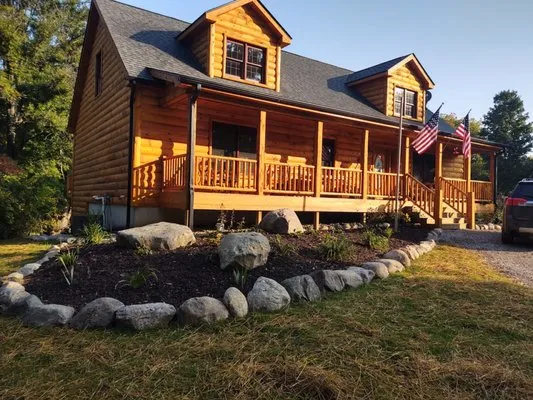
Hamilton Landscape Supply & Nursery
Hamilton Landscape Supply & Nursery is your local Battle Creek partner for creating and maintaining beautiful outdoor spaces. We combine a full-service nursery and supply yard with expert design and c...
For over 20 years, Final Grade Services has been a trusted name in Battle Creek and across southwest Michigan, offering dependable property care for residential, commercial, and industrial clients. Ou...
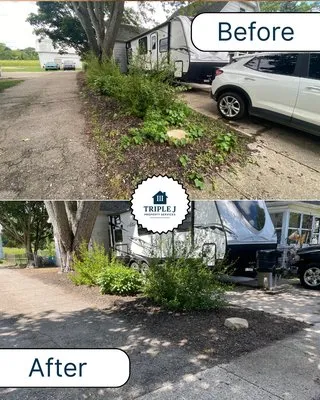
Triple J Property Services is a trusted local business in Mulliken, MI, specializing in landscaping and property management. We help homeowners and property owners maintain their outdoor spaces with p...
Based in Eaton Rapids, MI, Charlie's Property Maintenance provides essential lawn care services to help local homeowners maintain healthy, beautiful yards. Many properties in our area face challenges ...
Robinson Lawn Care is a trusted, locally-owned lawn service provider serving Battle Creek, MI, and surrounding areas. We specialize in comprehensive lawn care solutions designed to keep your property ...
No BS Lawn Care is a locally owned and operated business in Hastings, MI, dedicated to making lawn maintenance and yard cleanup straightforward and stress-free for homeowners. Officially established i...
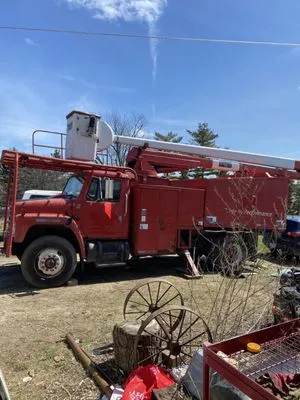
Homegrown Longhaul is your trusted, local service provider in Mulliken, MI, specializing in comprehensive property care and cleanup. We understand the common challenges Mulliken homeowners face, such ...
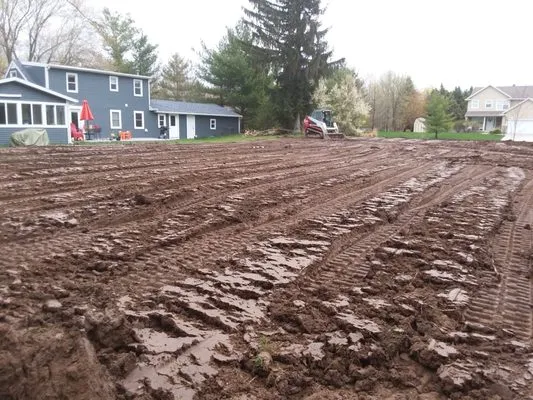
NBG Excavating is a full-service excavation and landscaping company serving Hastings and the surrounding areas. We specialize in a wide range of services from foundational excavation and driveway inst...
Exterior Property Solutions
Exterior Property Solutions is your trusted Alto partner for transforming and maintaining outdoor spaces. We specialize in professional excavation, comprehensive demolition services, and robust landsc...
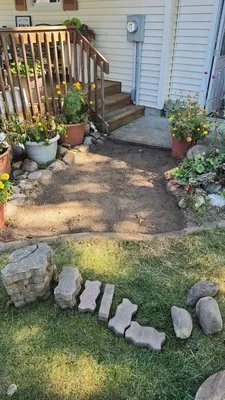
Founded by Cameron Haight, a Michigan State University-trained arborist with six years of hands-on experience, Limitless Details brings professional landscaping directly to Woodland and mid-Michigan. ...
Estimated Landscaping Service Costs in Nashville, MI
Common Questions
How quickly can you respond to storm damage for HOA compliance?
Emergency cleanup crews dispatch from the Nashville Public Library area, taking M-66 for optimal routing. During peak conditions, arrival occurs within 20-30 minutes. Our electric maintenance fleet operates within the 8:00 PM to 7:00 AM noise ordinance restrictions, allowing extended work windows without disturbance. We prioritize debris removal and safety hazard mitigation to meet neighborhood standards.
Are concrete pavers better than wood for long-term durability in Nashville?
Concrete pavers and crushed limestone offer superior longevity compared to wood, with 30+ year lifespans versus wood's 10-15 years with maintenance. These materials maintain structural integrity through freeze-thaw cycles common in Zone 5b. For fire-wise considerations, non-combustible hardscapes create defensible space meeting Low Fire Wise Rating standards, reducing wildfire risk while providing permanent, low-maintenance surfaces.
How do I maintain Kentucky Bluegrass during dry spells without violating water guidelines?
Smart Wi-Fi soil moisture sensor controllers provide ET-based irrigation that preserves turf health within voluntary conservation limits. These systems monitor real-time soil conditions, delivering water only when the root zone reaches specific depletion thresholds. For Nashville's Zone 5b climate, this typically reduces water use by 30-40% while maintaining Tall Fescue and Kentucky Bluegrass vigor through seasonal droughts.
What solutions address seasonal water pooling in my yard?
Moderate seasonal high water tables in loam soils require strategic drainage interventions. Permeable concrete pavers or crushed limestone installations increase surface infiltration rates by 50-70% compared to traditional materials. These systems meet Barry County Building Department runoff standards while directing excess moisture away from foundations. French drains with clean gravel beds provide additional subsurface management for persistent wet areas.
What permits and licenses are required for grading my 0.25-acre property?
Grading work exceeding 100 cubic yards of soil movement requires Barry County Building Department permits for erosion control and drainage compliance. Michigan LARA licensing mandates certified professionals for engineered grading affecting water flow patterns. On 0.25-acre lots, even modest regrading can trigger review due to potential impacts on neighboring properties and municipal stormwater systems, necessitating proper documentation and licensed execution.
How should I handle invasive species without using restricted fertilizers?
Common invasive alerts for Zone 5b include garlic mustard and Japanese knotweed, which compete with native vegetation. Manual removal during early growth stages proves most effective, avoiding phosphorus-prohibited treatments. For established infestations, targeted glyphosate applications in fall when natives are dormant comply with fertilizer ordinances. Always verify treatment timing against local blackout dates to prevent regulatory violations.
What are my options for reducing lawn maintenance while supporting local ecology?
Transitioning high-maintenance turf to native plantings like Purple Coneflower, Butterfly Milkweed, Little Bluestem, and Wild Bergamot creates climate-adaptive xeriscaping. These species require minimal irrigation, eliminate weekly mowing, and provide habitat for pollinators. Electric maintenance equipment operates quietly within noise ordinance hours, while native plantings naturally resist pests without chemical interventions.
Why does my Nashville lawn have such poor drainage and compaction issues?
Properties in Downtown Nashville with 1938-era construction have 88 years of soil development, creating mature but compacted profiles. The loam and sandy loam soils common here lose permeability over decades without intervention. Core aeration every 2-3 years with organic amendments like composted leaf mold addresses this historical compaction, restoring soil structure for better water infiltration and root development.
