Top Landscaping Services in Muskegon, MI, 49440 | Compare & Call
There are 166 landscaping companies server in Muskegon MI

Siteline Excavating
Siteline Excavating is a Byron Center-based excavation and landscaping company serving West Michigan homeowners and businesses. We specialize in solving common local landscaping issues like poor lawn ...

West Michigan Pro Services is your trusted, full-service contractor and landscaping expert serving Ludington and the surrounding area. We specialize in turning your property into a functional and beau...
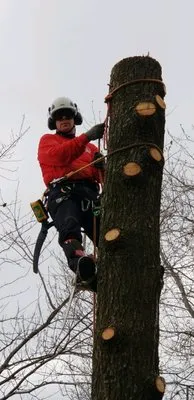
M&A All Seasons Tree Service, operating as M&A All Seasons Property Management, LLC, is a fully licensed and insured provider serving West Olive and the surrounding West Michigan communities, includin...
Impact Property Preservation is a Rockford-based service provider dedicated to keeping local homes beautiful and functional year-round. We help homeowners tackle common landscaping challenges like per...
Exterior Property Solutions
Exterior Property Solutions is your trusted Alto partner for transforming and maintaining outdoor spaces. We specialize in professional excavation, comprehensive demolition services, and robust landsc...
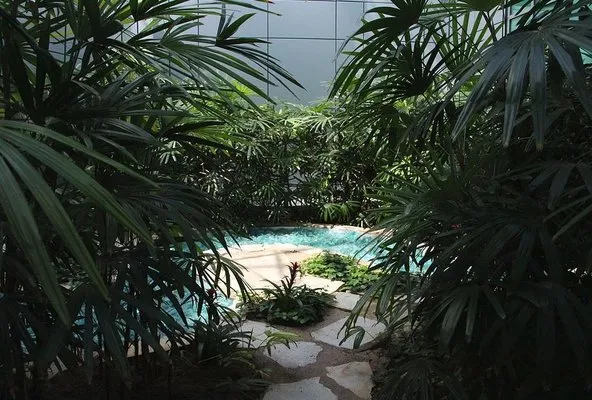
Integrated Plantscapes
Integrated Plantscapes is a Byron Center-based landscaping and design firm specializing in transforming both interior and exterior environments. With a focus on biophilic design principles, the team c...
Estimated Landscaping Service Costs in Muskegon, MI
Frequently Asked Questions
What's the most efficient way to water my lawn with Muskegon's sandy soil?
While Muskegon has no mandatory water restrictions, voluntary conservation is critical. Smart Wi-Fi soil moisture sensor controllers prevent overwatering by scheduling irrigation only when the root zone of your Kentucky Bluegrass and Fine Fescue mix drops below optimal levels. This ET-based system adjusts for rainfall and evaporation, applying water deeply and infrequently to encourage drought-tolerant roots. This method can reduce potable water use by 30-40% while maintaining turf health, aligning with regional water stewardship goals.
My yard drains too quickly after a rain. How can I manage runoff and prevent erosion?
High permeability in sandy loam causes rapid infiltration, which can lead to subsurface erosion and nutrient leaching. The solution is not to impede drainage but to slow and filter water at the surface. Using permeable hardscape materials like concrete pavers on a gravel base or stabilized crushed limestone for pathways allows water to infiltrate while meeting City of Muskegon stormwater runoff standards. Integrating bioswales planted with deep-rooted natives further captures silt and pollutants before water reaches the water table.
Are concrete pavers or wood better for a new patio in terms of durability and safety?
Concrete pavers and crushed limestone offer superior longevity and fire resistance compared to wooden decks or mulch beds in Muskegon's freeze-thaw cycles and Moderate Fire Wise rating zone. These inorganic materials do not combust, contributing to defensible space. Pavers also provide a stable, permeable surface that resists heaving, while limestone compactors to a firm, durable grade. Both options require minimal long-term maintenance, avoid rot and insect issues associated with wood, and maintain their functionality and appearance for decades with proper base installation.
How fast can a crew respond for emergency storm cleanup to meet HOA compliance deadlines?
For emergency service calls, we dispatch from our central staging near Muskegon State Park. Taking US-31 provides the most reliable arterial route into the Beachwood-Bluffton neighborhood, with a typical peak response window of 20 to 30 minutes. Crews prioritize securing hazardous limbs and clearing walkways first. A full debris removal and site assessment can be completed within the same visit, ensuring your property meets municipal and HOA safety standards promptly after a weather event.
Can I have a lower-maintenance yard that's better for local wildlife?
Transitioning perimeter zones to a native plant community using species like Butterfly Milkweed, Little Bluestem, and Serviceberry reduces mowing area, fuel consumption, and noise. This preemptively aligns with evolving municipal noise ordinances that may further restrict gas-powered equipment. These deep-rooted perennials build soil carbon, require no synthetic inputs, and provide superior habitat, supporting 2026 biodiversity targets. The resulting landscape is resilient, reduces maintenance frequency, and creates a natural firewise buffer in this Moderate-risk interface zone.
What permits and licensed professionals are needed to regrade my backyard?
Regrading a 0.22-acre lot that alters water flow or involves significant cut/fill typically requires a permit from the City of Muskegon Planning & Economic Development. The contractor performing the work must hold appropriate licensing through the Michigan Department of Licensing and Regulatory Affairs (LARA), often as a Residential Builder or Maintenance & Alteration contractor. This ensures they carry the required insurance and understand state building codes. Unlicensed grading can lead to improper drainage, neighbor disputes, and code violations, resulting in costly corrections and fines.
Why does my lawn in Beachwood-Bluffton feel compacted and struggle to absorb water?
Most Muskegon homes, built around 1951, have 75-year-old landscapes with mature, trafficked soil. The native sandy loam has likely lost its original structure and organic matter through decades of mowing and foot traffic. This leads to surface compaction over the deeper permeable layer, inhibiting root growth and water infiltration. Core aeration in early fall, paired with top-dressing using compost, is essential to reintroduce pore space and rebuild soil biology for improved percolation and nutrient cycling.
What are the most aggressive invasive plants here, and how do I remove them safely?
Common invasive alerts for West Michigan include Garlic Mustard, Spotted Knapweed, and Japanese Knotweed. Manual removal before seed set is most effective for small infestations. For larger areas, a targeted, systemic herbicide applied in late fall can be necessary, but all treatments must use phosphorus-free formulations to comply with Muskegon's fertilizer ordinance. Always apply during calm, dry periods to prevent drift, and consider soil health by replanting the area with competitive natives like Prairie Dropseed or Wild Bergamot to prevent re-establishment.
