Top Landscaping Services in Mullett Township, MI, 49721 | Compare & Call
There are 45 landscaping companies server in Mullett Township MI
Scott Fettig Landscaping provides essential lawn and landscape care to Alanson, MI homeowners. Based locally, we specialize in diagnosing and fixing common regional problems like unsightly dead patche...
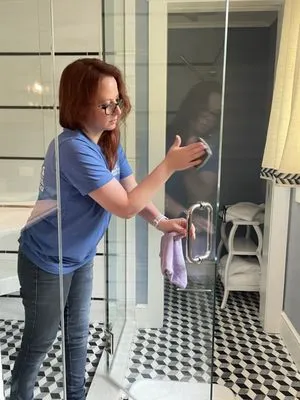
Shugar Mills Landscape and Cleaning is your trusted local partner in Alanson, MI, offering comprehensive home cleaning and landscaping solutions. We specialize in addressing common Northern Michigan y...

Mullett Lake Landscaping & Tree Service
Mullett Lake Landscaping & Tree Service has been a trusted provider of outdoor solutions in Indian River, MI, and across Northern Michigan since 1983. With decades of experience, we specialize in comp...
Enos Landscaping is a trusted, locally-owned landscaping company serving Cheboygan, MI, and the surrounding areas. We specialize in addressing common local landscaping challenges, such as irrigation t...
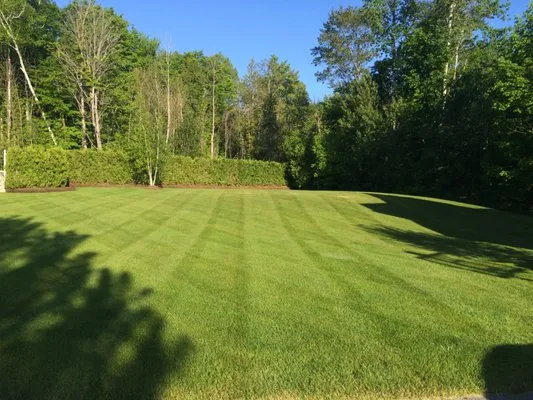
Specialized Lawn Care
Specialized Lawn Care is a locally owned and operated property management company in Indian River, MI, founded in 2005 by Greg Lee. Starting with just a push mower, the business has grown over the pas...
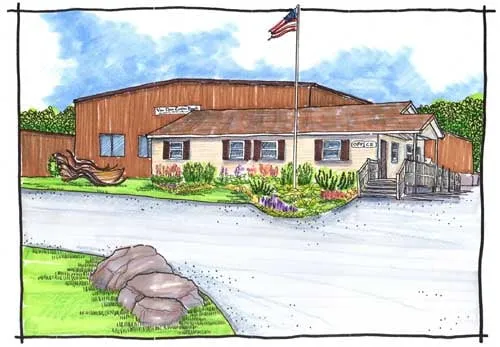
Green Room Landscape
Green Room Landscape, led by landscape architect Jessica Kenzie Spencer, LEED AP BD+C, brings nearly two decades of sustainable design expertise to Harbor Springs. Established in 2009, the firm specia...

Exclusive is your trusted, full-service cleaning and maintenance partner in Indian River, MI. We specialize in commercial deep cleaning, move-in/move-out cleaning, and standard office cleaning, ensuri...
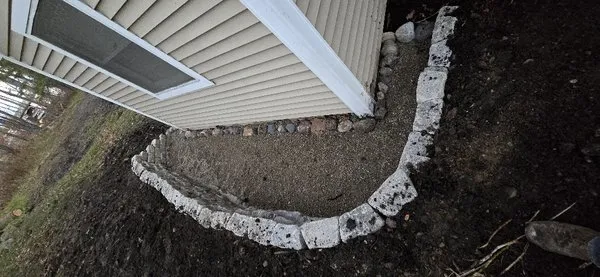
Key's Land and Dock is a full-service property management and construction company serving Indian River, Michigan, and the surrounding areas. We specialize in creating and maintaining functional, beau...
JK Outdoor Service is a trusted Cheboygan, MI-based company specializing in landscaping, tree services, and pressure washing. We understand that local homeowners often face challenges like dead lawn a...

Out on a Limb is your trusted, local multi-service contractor in Cheboygan, MI, specializing in both exterior and interior solutions. We tackle common local landscaping challenges like standing water ...
Estimated Landscaping Service Costs in Mullett Township, MI
Common Questions
How quickly can you address storm damage for HOA compliance in Mullett Lake Village?
Emergency cleanup crews dispatch from Mullett Township Hall via I-75, arriving within 45-60 minutes during peak conditions. This response window accounts for debris clearance on 0.75-acre properties while adhering to noise ordinance hours. The route prioritizes arterial roads to access fallen limbs from Eastern White Pines while maintaining compliance with riparian management guidelines for shoreline properties.
Why does my Mullett Lake Village lawn struggle with compaction and nutrient runoff?
Mullett Township lots built around 1981 have acidic sandy loam soils that are now 45 years mature. This soil type naturally compacts over decades, reducing pore space for root growth and water infiltration. Core aeration every 2-3 years introduces organic matter to improve soil structure and cation exchange capacity. Without amendments, these soils continue leaching nutrients, particularly nitrogen, due to their low pH buffering capacity.
What permits and licenses are required for grading work on three-quarter acre properties?
Grading projects exceeding 500 square feet require Mullett Township Planning Commission review for erosion control compliance. Contractors must hold Michigan LARA landscaping licensure with soil disturbance endorsements. On 0.75-acre lots, professionals must demonstrate competency in managing sandy loam permeability during earthwork. These regulations ensure proper sediment control and prevent nutrient leaching into Mullett Lake watersheds through certified installation practices.
How do I treat invasive species without violating fertilizer application blackout dates?
Targeted mechanical removal of invasive plants avoids chemical treatments during Michigan's Part 85 restricted periods. For persistent species like garlic mustard or spotted knapweed, apply organic herbicides only during permitted windows in early spring or late fall. Always verify treatment timing against the Natural Resources and Environmental Protection Act calendar. This approach prevents nutrient runoff while maintaining soil microbiome health through selective intervention.
Should I replace high-maintenance turf with native plants to reduce noise and emissions?
Transitioning to Sugar Maple, Black-eyed Susan, and Wild Bergamot plantings reduces maintenance frequency by 70% while supporting 2026 biodiversity targets. Native plantings require no gas-powered blowers during restricted hours, aligning with electric fleet transitions. These species establish deep root systems that stabilize sandy soils and provide habitat for pollinators. The shift creates resilient landscapes that thrive in Zone 5a conditions with minimal irrigation inputs.
Are crushed granite pathways better than wood for fire safety in moderate-risk areas?
Crushed granite provides non-combustible defensible space that meets moderate Wildland-Urban Interface ratings. Unlike wood decking or mulch, mineral-based materials create 5-10 foot fuel breaks around structures. Fieldstone edging further reduces fire ladder potential by eliminating vertical fuel continuity. These materials withstand freeze-thaw cycles in Zone 5a while maintaining permeability for emergency water access during fire response operations.
Will soil-moisture sensors keep my Kentucky Bluegrass healthy without violating water guidelines?
Soil-moisture sensor systems prevent overwatering by activating only when root zones reach specific depletion levels. These systems maintain turf health while reducing water use by 30-40% compared to timer-based irrigation. In Mullett Township's sandy loam with rapid leaching, sensors adjust runtime based on actual soil conditions rather than fixed schedules. This approach preserves municipal water resources while supporting fine fescue mixes through summer stress periods.
What hardscape materials prevent runoff issues on my permeable sandy lot?
Crushed granite and fieldstone provide 40-60% permeability rates that exceed Mullett Township Planning Commission runoff standards. These materials create stable surfaces while allowing water infiltration at 8-12 inches per hour. For properties with rapid leaching characteristics, permeable hardscapes reduce erosion by slowing water movement across slopes. This approach maintains natural hydrology patterns better than impermeable alternatives like concrete or asphalt.
