Top Landscaping Services in Moscow Township, MI, 49250 | Compare & Call
There are 127 landscaping companies server in Moscow Township MI
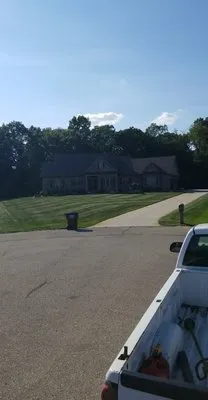
Daugherty Lawn & Snow is a trusted, locally-owned lawn care provider serving Clinton, MI. We specialize in addressing the specific landscaping challenges common in our community, such as poor lawn gra...
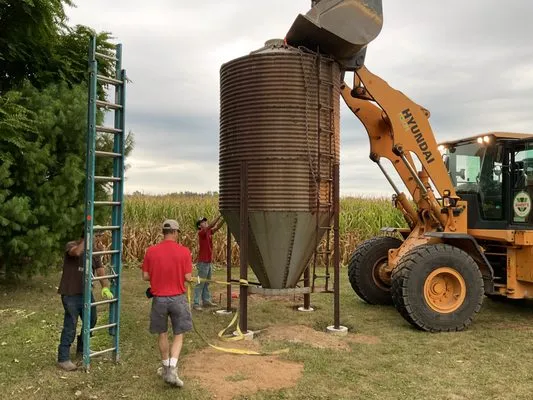
VanErt's has been a trusted landscape and building contractor in Adrian, Michigan, since 1997. We specialize in concrete driveways, patios, retaining walls, building remodeling, excavation, decks, she...
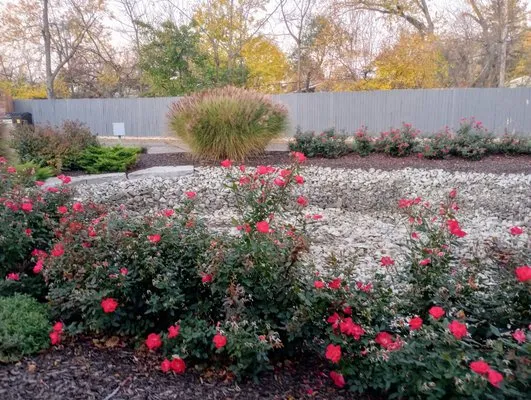
Riviera
Riviera Landscaping is a locally owned, bilingual landscaping company serving Adrian, MI, with over 25 years of experience. We specialize in comprehensive yard care, from routine maintenance like trim...
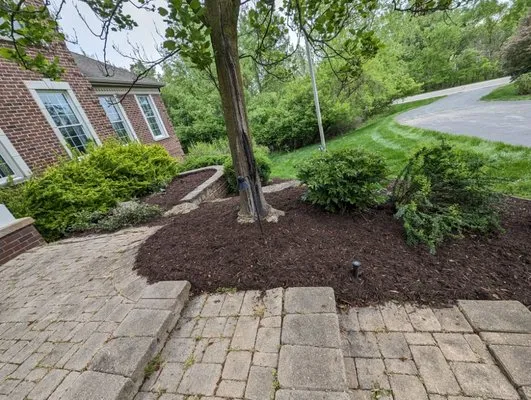
The Landscape Artisan
The Landscape Artisan in Britton, MI, is a dedicated landscaping and masonry service focused on transforming outdoor spaces with natural beauty and lasting quality. We specialize in comprehensive land...

Marsh Professional Lawncare in Adrian, MI, is a locally owned and operated outdoor maintenance company founded in 2020. Our journey began with a simple passion for helping neighbors create beautiful, ...
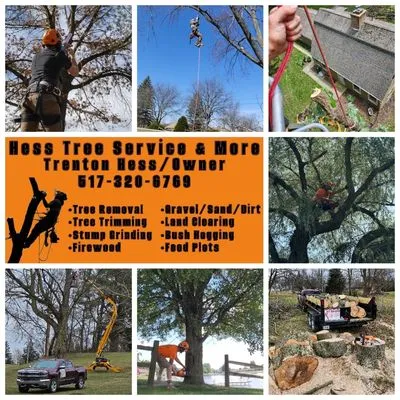
Hess Tree Service & More, owned and operated by Trenton Hess, is your trusted local partner for all things tree and landscape care in Hudson, MI. We're passionate about precise tree cutting and land c...
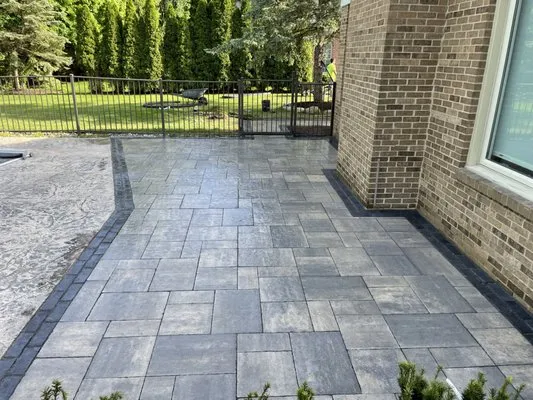
Yepez Landscaping is a full-service landscaping company serving Adrian, MI, and the surrounding area. We specialize in transforming outdoor spaces through comprehensive design, construction, and maint...

KAS Lawn Solutions is a trusted, locally-owned lawn care company that has been serving Palmyra and Lenawee County since 2005. With deep roots in the community, we understand the unique challenges that...
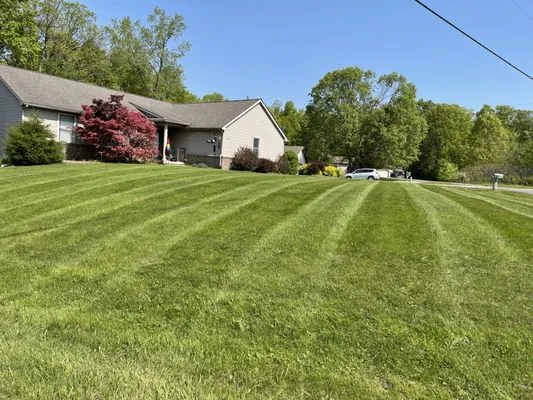
Kish Lawn and Landscape is a dedicated lawn care provider serving Onsted, Michigan, and the surrounding communities. We specialize in addressing common local landscaping challenges, such as uneven spr...
D & C Lawn and Landscaping is a trusted, locally-owned landscaping and snow removal company serving Sand Creek, MI. We specialize in addressing common local landscaping challenges, such as rock garden...
Estimated Landscaping Service Costs in Moscow Township, MI
Common Questions
What permits and licenses are needed for grading my 1.2-acre property?
Grading projects exceeding 5,000 square feet require Hillsdale County Building Department permits for erosion control and drainage plans. Michigan LARA licensing mandates certified professionals for earth moving on lots this size to prevent watershed impacts. Specific landscape architect registration is necessary when modifying natural drainage patterns, ensuring compliance with statewide phosphorus restrictions and protecting adjacent properties from runoff liability.
What solutions work for yards with poor drainage and clay pockets?
Seasonal high water tables in sandy loam soils require French drains or dry wells to redirect subsurface flow. Permeable concrete pavers with crushed limestone bases increase infiltration rates while meeting Hillsdale County Building Department runoff standards. For severe clay pockets, soil amendments with expanded shale aggregate create permanent drainage channels that bypass compacted layers, preventing surface pooling during spring thaw periods.
How do I control invasive species without chemical runoff concerns?
Japanese knotweed and garlic mustard present the highest invasion risks in Moscow Township's woodland-adjacent areas. Mechanical removal during early growth stages avoids phosphorus restriction violations near water bodies. For persistent infestations, targeted glyphosate applications in fall months follow statewide fertilizer ordinance blackout dates, preventing chemical migration during spring runoff periods while protecting native plant communities.
Are concrete pavers better than wood for long-term durability?
Concrete pavers with polymeric sand joints outperform wood in freeze-thaw cycles, lasting 25+ years versus wood's 10-15 year lifespan. In moderate Firewise zones with rural woodland adjacency, non-combustible hardscapes create defensible space without organic fuel sources. Crushed limestone bases under pavers provide superior drainage compared to wood's moisture retention, reducing heaving in USDA Zone 6a winter conditions.
Why does my lawn have compacted soil that resists water absorption?
Moscow Township homes built around 1978 have 48-year-old landscapes where soil structure has degraded. Sandy loam soils in Moscow Village Center naturally compact over decades, reducing permeability and creating clay pockets that impede infiltration. Core aeration with organic amendments like composted leaf mold improves soil percolation by increasing pore space and microbial activity. This addresses the seasonal high water table issues common in older neighborhoods with similar construction timelines.
Can I maintain Kentucky Bluegrass without violating water conservation guidelines?
Smart Wi-Fi soil moisture sensor controllers optimize irrigation by using evapotranspiration data and real-time soil conditions. These systems apply water only when turfgrass root zones reach specific moisture deficits, typically reducing usage 30-40% compared to traditional timers. Moscow Township's voluntary conservation status allows this precision approach, preserving turf health while staying well below municipal water limits through targeted application during early morning hours.
How quickly can you respond to storm damage for HOA compliance?
Emergency cleanup crews dispatch from Moscow Township Hall via US-12 with 45-60 minute peak response times. This routing accounts for traffic patterns while maintaining compliance with standard noise ordinance hours from 7:00 AM to 9:00 PM. For urgent situations like fallen limbs or drainage blockages, electric equipment fleets operate within these parameters to address safety hazards while meeting neighborhood aesthetic standards.
Should I replace high-maintenance turf with native plants?
Transitioning to Butterfly Milkweed, Wild Bergamot, Little Bluestem, and Black-eyed Susan reduces mowing frequency from weekly to seasonal maintenance. These deep-rooted natives require no irrigation once established and support 2026 biodiversity standards for pollinator corridors. Electric maintenance equipment for native landscapes operates quietly within noise ordinance limits, eliminating gas-blower restrictions while providing year-round habitat value.
