Top Landscaping Services in Moorland, MI, 49303 | Compare & Call

There are 203 landscaping companies server in Moorland MI
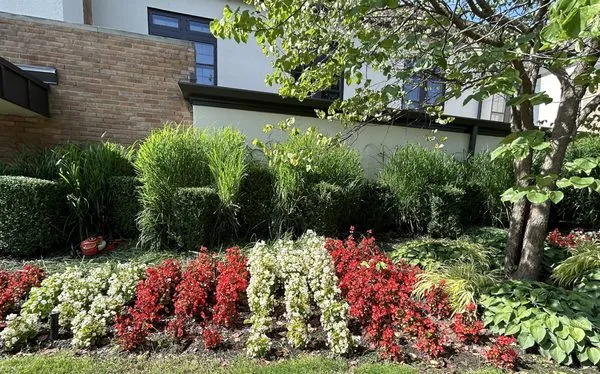
Oxy Sense Landscaping is a Grand Rapids-based company built on a foundation of genuine care for the local environment and its residents. Owner Jorge P. grew up here, learning the art of landscaping fr...

Nichols Lawn & Landscape is a Wyoming, MI-based company specializing in professional lawn care and irrigation services. Serving the local community, they help homeowners tackle common regional challen...
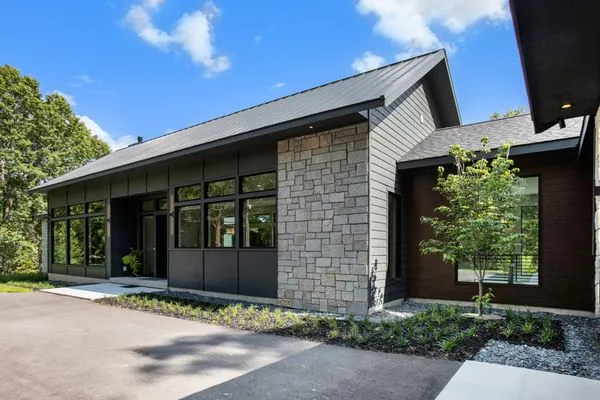
Refresh Landscape Solutions is a Grand Rapids-based, project-focused landscaping company dedicated to transforming outdoor spaces across West Michigan. We handle everything from minor mulch refreshes ...
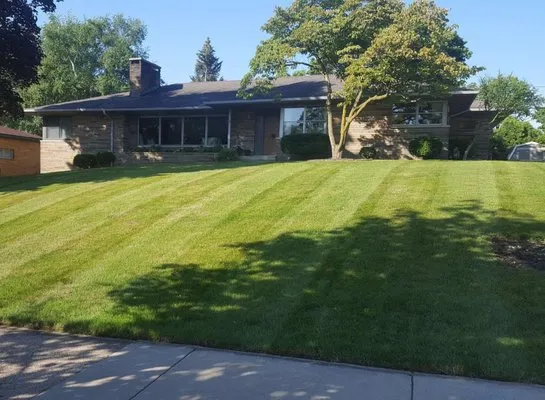
MJR Landscape is a trusted local provider serving Wyoming, MI, and the broader Grand Rapids area, including Kentwood and surrounding communities. We specialize in comprehensive lawn care and landscapi...
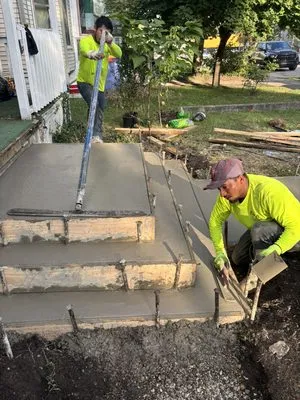
Beyond Gardens is a Grand Rapids-based masonry and landscaping company that specializes in creating durable, beautiful outdoor spaces for West Michigan homes and businesses. We handle everything from ...

Based in Hudsonville, MI, Anes Excavating & Landscaping is your local partner for transforming challenging outdoor spaces. We understand that many homes in our community face issues like shifting rock...
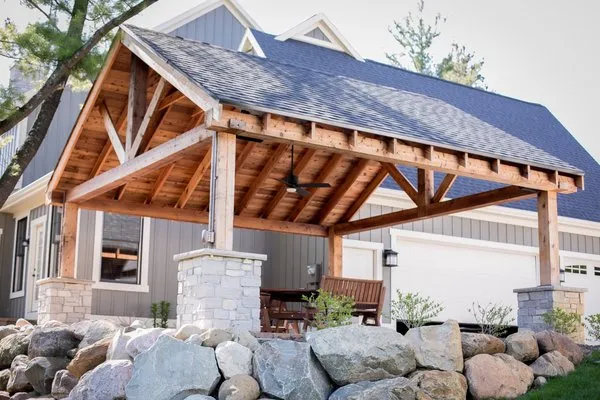
Tender Lawn Care
Tender Lawn Care is a family-owned Grand Rapids institution, founded in 1949 by European immigrants Joe Oomkes and Sid DeJong, who brought their specialized soil reclamation skills to the community. O...

Carlos Lawn Care is your trusted Grand Rapids partner for a vibrant, healthy lawn and landscape. We understand local homeowners often face frustrating issues like sprinkler coverage gaps and stubborn ...
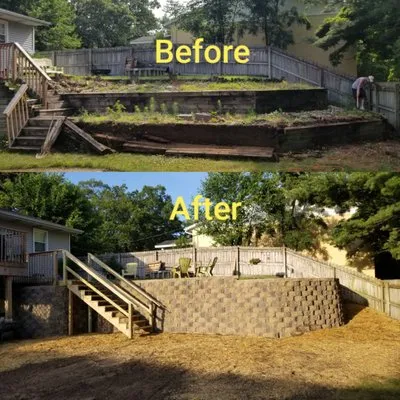
Theakston Landscape is a trusted Grand Rapids landscaping and snow removal company dedicated to enhancing and protecting local outdoor spaces. Serving the West Michigan community, we specialize in com...

Harder & Warner
Harder & Warner, a fourth-generation family-owned business established in 1954 in Caledonia, Michigan, has deep roots in the community. Founded by Archie A. Warner, who returned to the family business...
Estimated Landscaping Service Costs in Moorland, MI
Frequently Asked Questions
How can I reduce maintenance while preparing for electric equipment requirements?
Replacing high-maintenance turf with native plantings creates resilient landscapes requiring minimal intervention. Butterfly Weed, Little Bluestem, Wild Bergamot, and Black-eyed Susan establish deep root systems that survive drought without irrigation. These plantings eliminate weekly mowing needs while providing habitat for pollinators. Transitioning to electric maintenance fleets aligns with noise ordinance restrictions on gas-powered equipment, particularly during early morning and evening hours in residential areas.
How do smart irrigation systems work with Moorland's water conservation recommendations?
Smart Wi-Fi soil moisture sensors prevent overwatering by measuring actual soil conditions rather than following fixed schedules. These systems maintain Kentucky Bluegrass and Fine Fescue mixes at 85-90% of reference evapotranspiration rates, reducing water use 25-30% compared to traditional timers. Sensors placed at 6-inch depths in multiple zones account for Moorland's sandy loam drainage characteristics. Municipal water limits are respected through real-time adjustments based on weather forecasts and soil moisture depletion curves.
Why does my Moorland Village lawn have drainage issues and compacted soil?
Moorland Village properties average 45 years of soil development since 1981 construction, creating mature but compacted profiles. Sandy loam soils in this neighborhood naturally have moderate permeability, but decades of foot traffic and equipment weight reduce infiltration rates below 0.5 inches per hour. Core aeration every 2-3 years with compost topdressing introduces organic matter to improve soil structure and water movement. This addresses the seasonal high water table by creating better vertical drainage channels through the soil profile.
What invasive species threaten Moorland lawns, and how are they managed safely?
Japanese knotweed and garlic mustard present significant invasive risks in USDA Zone 6a, spreading rapidly through root fragments and seed dispersal. Mechanical removal before seed set in early summer prevents chemical dependency. Spot treatments using EPA-approved herbicides avoid violating Michigan's Phosphorus Fertilizer Law, which prohibits phosphorus applications to established lawns. Treatment timing considers blackout dates for sensitive periods when pollinators are most active near flowering natives.
What solutions exist for poor water infiltration in Moorland's seasonal high water table areas?
Sandy loam soils in Moorland exhibit poor infiltration when compacted, exacerbating seasonal high water table issues. French drains with clean stone aggregate and geotextile fabric create subsurface drainage pathways. Permeable crushed limestone installations meet Muskegon County Building & Zoning runoff standards by allowing 8-12 inches per hour infiltration rates. Dry creek beds with native stone provide both drainage function and aesthetic appeal while directing water away from foundations.
How do crushed limestone and concrete pavers compare to wood for durability and fire safety?
Crushed limestone installations provide 25+ year lifespans versus wood's 10-15 year expectancy in Moorland's freeze-thaw cycles. Concrete pavers offer non-combustible surfaces that meet Moderate Firewise community guidelines for defensible space. These materials maintain structural integrity without chemical treatments that could leach into sandy loam soils. Properly installed with geotextile underlayment, they resist frost heave while allowing necessary water permeability for soil health.
What permits and licenses are required for grading work on half-acre Moorland properties?
Grading projects exceeding 100 cubic yards of soil movement require Muskegon County Building & Zoning permits to prevent erosion and runoff violations. Michigan Department of Licensing and Regulatory Affairs (LARA) requires landscape contractors to hold specific licensing for earthwork on 0.50-acre lots. This ensures proper engineering for drainage slopes and compaction testing. Unlicensed grading can create liability issues with neighboring properties and violate county sediment control ordinances.
How quickly can you respond to storm damage for HOA compliance in Moorland?
Emergency cleanup crews dispatch from Moorland Community Park via M-46, maintaining 20-30 minute response times during peak storm events. This routing avoids residential congestion while providing direct access to Moorland Village properties. Crews prioritize safety assessments first, then debris removal using electric equipment compliant with 8:00 PM to 7:00 AM noise restrictions. Documentation for HOA compliance includes before/after photos and storm damage reports for insurance purposes.
