Top Landscaping Services in Middlebury Township, MI, 48866 | Compare & Call
There are 156 landscaping companies server in Middlebury Township MI
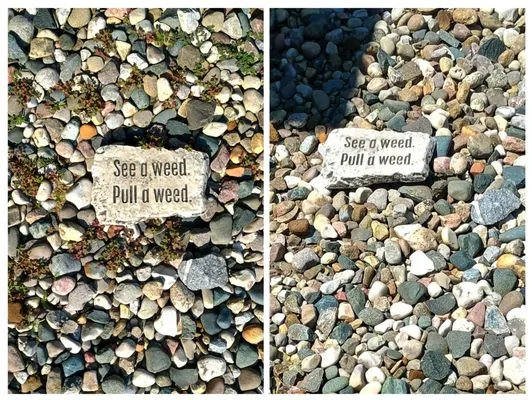
The Tending Co. is your Saginaw neighbor for reliable lawn and garden care, plus thoughtful pet and farm sitting services. We specialize in practical solutions for local yards, from weeding landscape ...

S Imperial Services is your local expert in lawn fertilization and pest control, proudly serving Saginaw and surrounding Michigan communities for over 20 years. We specialize in a proven 6-step lawn c...
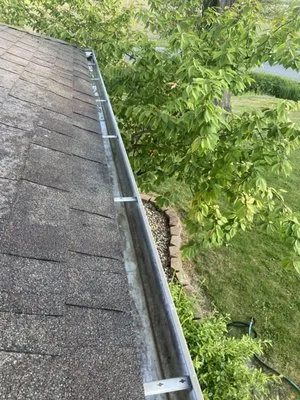
Smitcey Lawn Care & Maintenance is a family-owned lawn service deeply rooted in the Bay City, MI community. For years, our work has been driven by a genuine passion for nature and transforming outdoor...
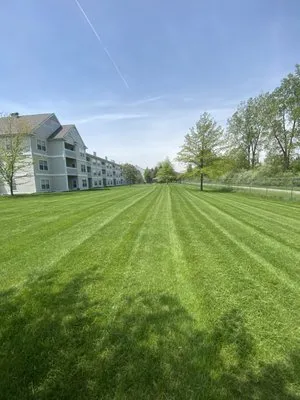
TLC Lawn and Landscape Solutions is a locally owned and operated business serving homeowners and businesses throughout Saginaw, MI. We specialize in comprehensive outdoor solutions that enhance both t...
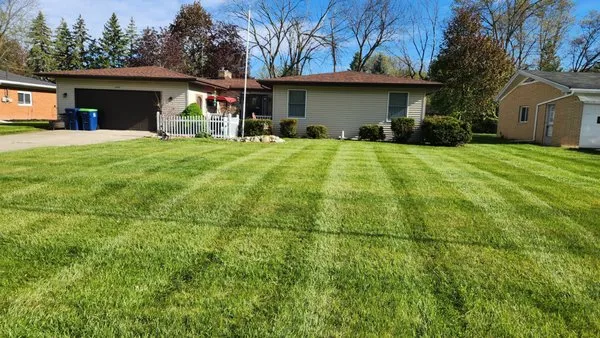
Sonny's Property Pros
Sonny's Property Pros is a Saginaw-based lawn and property care company with over 15 years of experience serving both residential and commercial clients. We specialize in comprehensive landscape desig...
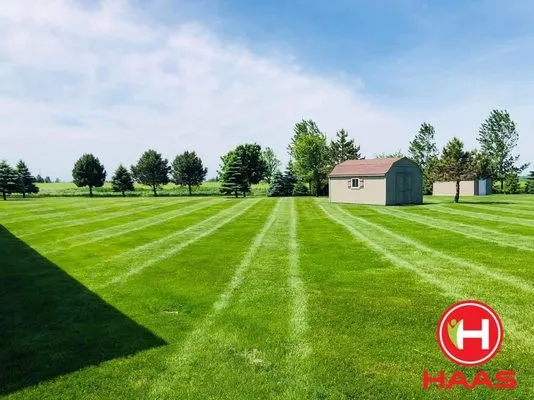
Based in Saginaw, MI, Haas Landscaping provides expert lawn care services to keep your property looking its best. Many local homeowners face common challenges like overgrown shrubs and irrigation time...
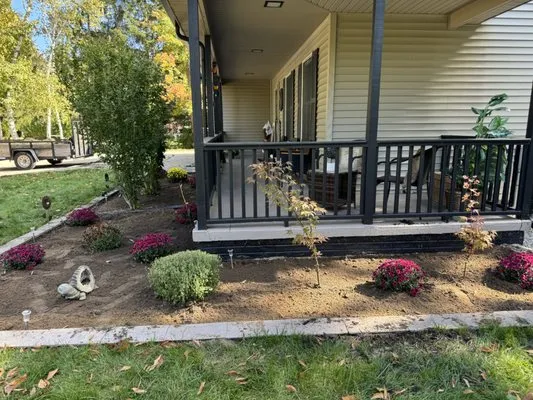
Gran Lawn Care is a trusted landscaping company serving Saginaw, MI, specializing in comprehensive shrub and landscape maintenance. We understand that many local homes face challenges like patchy lawn...
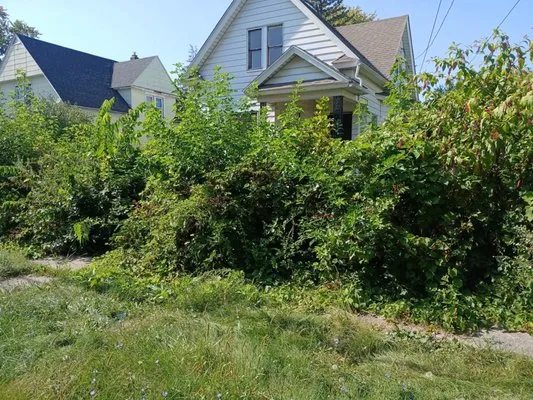
Lone Wolf Land Management is a trusted lawn care provider serving Reese, MI, and the surrounding communities. We specialize in comprehensive lawn care services designed to address common local landsca...

Beckman Lawn Care is a trusted, locally-owned lawn service and snow removal company serving Freeland, MI, and the surrounding areas. We specialize in comprehensive lawn care and reliable snow removal ...

Ashe Landscaping & Handyman Services is a Bay City, MI-based company providing comprehensive solutions for homeowners facing common local landscaping and property maintenance challenges. Specializing ...
Estimated Landscaping Service Costs in Middlebury Township, MI
Frequently Asked Questions
Are concrete pavers a better long-term choice than wood for a new patio?
For longevity and low maintenance in Middlebury's climate, concrete pavers are superior to wood. They resist frost heave, do not rot, and provide a stable, permeable surface. When installed with proper spacing and a gravel base, they also contribute to a defensible space consistent with our low Fire Wise rating, as they are non-combustible and help manage vegetation spread.
My yard has persistent soggy areas every spring. What's the cause and solution?
Seasonal high water tables and poor infiltration in clay pockets are common in Middlebury's glacial till soils. To manage this, we design French drains or dry creek beds that direct water away from foundations. Using permeable materials like crushed limestone for paths or patios can also increase ground absorption and may help meet Shiawassee County Building Department standards for stormwater runoff on residential lots.
What permits and contractor qualifications are needed for regrading my yard?
Regrading a 0.50-acre lot that affects drainage patterns or structural stability typically requires a permit from the Shiawassee County Building Department. The work must be performed by or under the supervision of a licensed contractor registered with the Michigan Department of Licensing and Regulatory Affairs (LARA). This ensures compliance with state environmental regulations and proper engineering to prevent off-site water or erosion issues.
Is there a lower-maintenance, eco-friendly alternative to my traditional grass lawn?
Yes, transitioning sections of high-input turf to a native plant community is a forward-thinking strategy. Species like Butterfly Milkweed, Wild Bergamot, and Little Bluestem are adapted to Zone 5b, require no fertilization, and support local biodiversity. This xeriscaping approach reduces mowing frequency, eliminates gas-powered blower use during restricted hours, and builds long-term ecological resilience.
How can I keep my lawn healthy during dry spells without violating water rules?
Despite current voluntary conservation status, efficient water use is essential for maintaining Kentucky Bluegrass and Fine Fescue blends. Smart Wi-Fi soil moisture sensor controllers are the standard; they irrigate based on actual evapotranspiration (ET) and soil conditions, not a fixed schedule. This technology prevents overwatering, protects against localized clay pockets that hold moisture, and keeps usage well within any future municipal limits.
How fast can you respond to an emergency like storm damage or an HOA violation notice?
For urgent HOA compliance or post-storm cleanup, our standard dispatch from the Middlebury Township Hall area uses M-21 for primary access. We plan for a 45 to 60 minute arrival during peak traffic or storm conditions. This routing ensures we can mobilize quickly to secure the property and begin debris management within the restricted noise ordinance hours of 8:00 AM to 9:00 PM.
Why does our soil seem so compacted and difficult for plants to establish?
Middlebury Village properties, typically built in 1981, have soil that has matured for about 45 years on the original glacial till subgrade. This loamy glacial till (pH 6.8-7.2) naturally develops dense layers from decades of foot traffic and standard maintenance. Core aeration is critical to disrupt this compaction, followed by amending with organic compost to rebuild soil structure and enhance microbial activity for better plant health.
What invasive species should I watch for, and how are they safely controlled?
Common threats include garlic mustard and spotted knapweed, which compete with native flora. Treatment involves manual removal or targeted herbicide application strictly following the Michigan Natural Resources and Environmental Protection Act (Part 85). It is crucial to avoid fertilizer or herbicide use during blackout dates specified by the ordinance to protect local waterways and soil health.
