Top Landscaping Services in Mentor Township, MI, 48621 | Compare & Call

There are 56 landscaping companies server in Mentor Township MI

Irrigation Systems Garpiel Group
Founded in 1997 by Rob Garpiel, the Garpiel Group began as a family-run landscaping company born from a passion for improving outdoor spaces. From those early days of Rob working with his brothers, th...

Kapital Lawn Care & Services is a family-owned lawn care business serving Sterling, Michigan. Rooted in the community, we provide reliable and straightforward services like regular lawn mowing and mul...
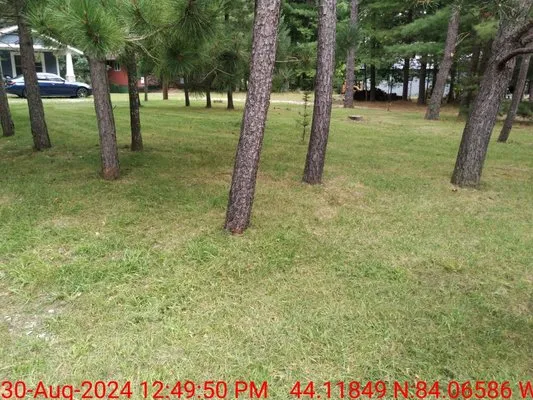
J&E Landscaping is a trusted, full-service landscaping company proudly serving Turner and the surrounding communities. We specialize in comprehensive landscape construction and installation, from dura...

Ashe Landscaping & Handyman Services is a Bay City, MI-based company providing comprehensive solutions for homeowners facing common local landscaping and property maintenance challenges. Specializing ...
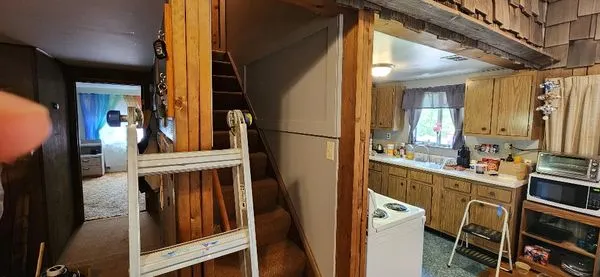
Infinite Vision Painting & Outdoor Services is a trusted local provider in Standish, MI, offering comprehensive solutions for homeowners' indoor and outdoor needs. Specializing in painting, drywall, l...
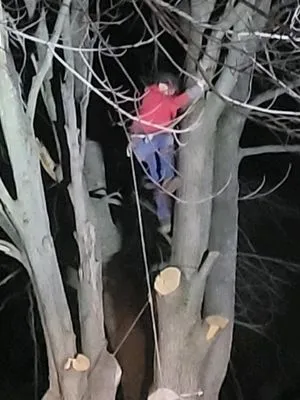
HERO LAND MANAGEMENT is a full-service landscaping and tree care company serving Gladwin, MI, and the surrounding communities. We specialize in transforming outdoor spaces with services ranging from l...
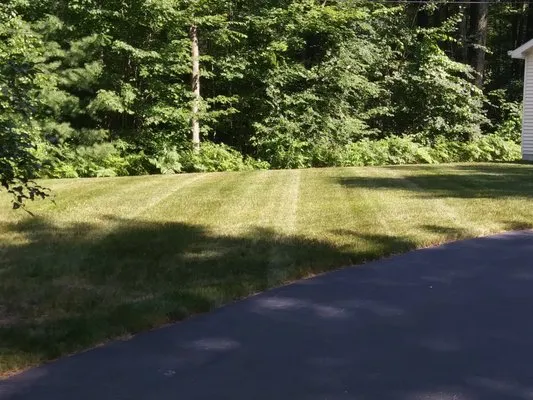
Saving Grace Lawn Care is a locally-owned and operated lawn service founded in Midland by Wayne Coffman. Since 2017, the company has built a reputation for reliable weekly mowing, fertilization, shrub...

Wazzy Make it Shine
Wazzy Make it Shine LLC is a family-owned, veteran-owned local business serving Oscoda Township, MI, with nearly two decades of professional cleaning and lawn care experience. Founded in May 2024 and ...
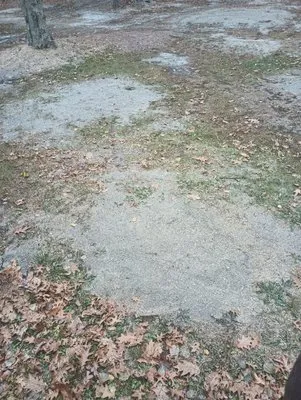
Northern Roots Stump Grinding is a dedicated Lake, MI tree and landscaping service specializing in stump, shrub, and bush removal. We approach every job with a commitment to quality and a deep underst...
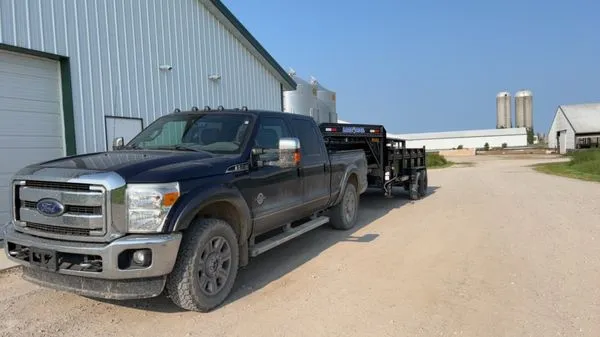
D&D Landscaping is your local Whittemore, MI partner for creating and maintaining beautiful, healthy outdoor spaces. We understand the common local challenges of weed infestation and overgrown shrubs,...
Estimated Landscaping Service Costs in Mentor Township, MI
FAQs
What's a lower-maintenance alternative to my traditional grass lawn?
Transitioning sections of high-input turf to a native plant community is a forward-thinking strategy. A matrix of Little Bluestem grass with Wild Bergamot and Common Milkweed supports 2026 biodiversity standards and requires no mowing or frequent watering once established. This shift also pre-adapts your property to evolving noise ordinances that may further restrict gas-powered blowers and mowers.
Do I need a permit to regrade my yard or install a large patio?
Yes. Significant earth moving or impervious surface installation on a 0.50-acre lot typically requires review by the Mentor Township Planning & Zoning Department for drainage and zoning compliance. Furthermore, contractors performing this work must be licensed through the Michigan Department of Licensing and Regulatory Affairs (LARA). Always verify both local permits and state contractor licensing to ensure your project meets all legal and engineering standards.
How fast can you respond for an urgent HOA violation notice?
For emergency cleanup or compliance, our electric fleet can dispatch from near the Oscoda-Wurtsmith Airport. Using US-23, we plan for a 45-60 minute arrival during peak hours, factoring in the township's restricted noise ordinance hours of 9:00 PM to 7:00 AM. This routing ensures we can address issues like storm debris or overgrowth promptly while adhering to local operational windows.
My yard drains too quickly. How can I manage runoff better?
Rapid infiltration in sandy loam can lead to nutrient leaching and dry conditions. The solution isn't to impede drainage but to slow and filter water. Using permeable materials like crushed limestone for paths or permeable concrete pavers for patios allows water to infiltrate on-site. This approach often meets the Mentor Township Planning & Zoning Department's standards for managing stormwater runoff by replicating natural hydrology.
Are concrete pavers a better choice than wood for a new patio?
For longevity and low maintenance in our climate, inorganic materials like concrete pavers or crushed limestone outperform wood. They do not rot, warp, or attract pests. From a fire-wise perspective, these non-combustible materials are superior for creating defensible space in Moderate Wildland-Urban Interface zones, providing a durable, fire-resistant barrier immediately around the home.
What should I do if I spot invasive plants like Garlic Mustard?
Early identification and manual removal are key for invasives like Garlic Mustard or Spotted Knapweed. For persistent issues, targeted, phosphorus-free herbicide applications are used, carefully timed outside of local blackout dates to protect nearby water bodies. Always bag and dispose of invasive plant material to prevent seed spread, and consider soil testing to guide restorative planting with natives.
Why does my lawn seem thin and struggle to hold water?
Homes built around 1980 in the Mentor Township Residential Core are now on 45-year-old landscapes. The original sandy loam soil has become compacted from decades of routine maintenance, reducing its organic matter content and water-holding capacity. This compaction impedes root growth and soil percolation. Core aeration followed by top-dressing with compost is critical to rebuild soil structure and enhance moisture retention for your turf.
Is a smart irrigation system worth it if we don't have water restrictions?
Absolutely. Even with voluntary conservation, smart Wi-Fi soil-moisture sensors provide precise ET-based irrigation, preventing overwatering on your sandy loam soil. This technology delivers water only when your Kentucky Bluegrass and Fine Fescue mix needs it, preserving municipal resources and promoting deeper root systems. It effectively manages the high permeability of your site, ensuring water infiltrates the root zone rather than washing away.
