Top Landscaping Services in Melrose Township, MI, 49402 | Compare & Call

There are 133 landscaping companies server in Melrose Township MI

All-Around Pro Services is your trusted local provider in Manistee, MI, offering expert pressure washing, lawn care, and window cleaning to enhance your property's curb appeal and health. We understan...
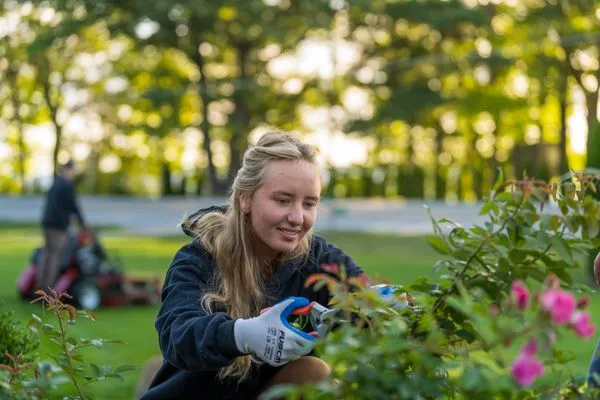
TruNorth Landscaping
TruNorth Landscaping is a family-owned, full-service landscape company serving Traverse City and Leelanau County. Founded by Doug and Patti Bonnell, who bring over 40 years of combined Green Industry ...
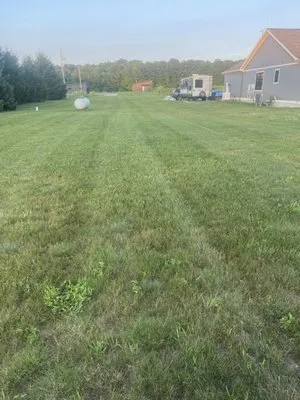
A&D Landscaping is a full-service landscaping company serving Kingsley, MI, and surrounding areas. We specialize in comprehensive landscape solutions including design, installation, maintenance, and s...
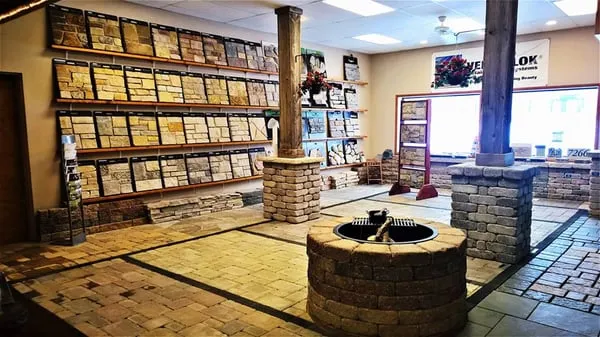
The Concrete Service
The Concrete Service in Traverse City, MI, is a family-operated masonry and hardscape materials supplier with deep local roots. Established in 1932 by Ralph Samuelson, the business has been passed dow...
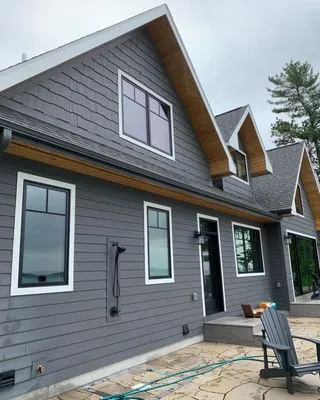
Radiant Reflections was founded by local friends Ian McDonald and Miles Prabhaker, who built this Elk Rapids business from the ground up. Starting with a focus on professional exterior cleaning, they'...

Bay View Landscape
Bay View Landscape is a Traverse City-based landscaping company specializing in comprehensive outdoor solutions for Northern Michigan homeowners. We offer professional snow removal, lawn care, and exp...
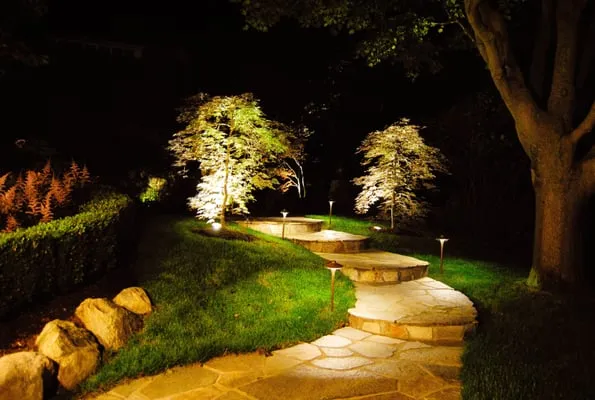
Landscape Logic is a licensed landscape design and maintenance firm based in Charlevoix, Michigan. For over a decade, we've built a reputation as a forward-thinking partner for homeowners across North...
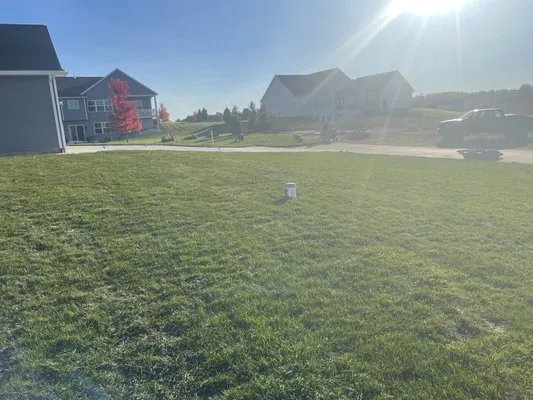
AI & L is your dedicated partner for landscaping and irrigation in Kalkaska, MI. We understand the unique challenges faced by local homeowners, from rock gardens shifting over time to frustrating irri...
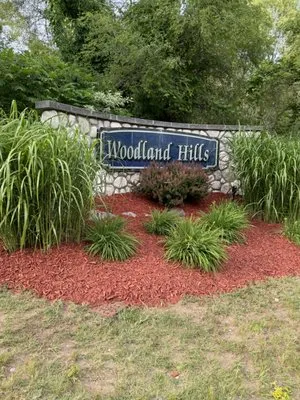
For over 14 years, The Lawn Amigo has been a trusted, locally-owned lawn care and landscaping provider serving Kingsley and the greater Traverse City area. It all started when a passion for working ou...
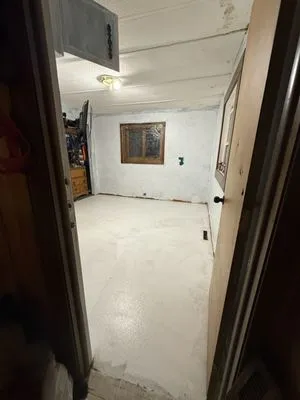
55 North Construction is a Traverse City-based general contractor with over a decade of experience serving homeowners throughout the region. We specialize in a comprehensive range of construction and ...
Estimated Landscaping Service Costs in Melrose Township, MI
Common Questions
Do we need a permit to regrade our half-acre lot?
Yes. Any significant regrading that alters site drainage or involves cut/fill exceeding 18 inches typically requires a permit from the Charlevoix County Building Department. On a 0.50-acre lot, such work can significantly impact stormwater runoff patterns. Furthermore, the work must be performed by or under the supervision of a professional licensed by the Michigan Department of Licensing and Regulatory Affairs (LARA) to ensure it complies with state sediment and erosion control standards.
How can we keep our Kentucky Bluegrass lawn green without wasting water?
Smart Wi-Fi soil moisture sensor controllers are the most effective tool. They schedule irrigation based on actual evapotranspiration (ET) and soil conditions, not a fixed timer, preventing overwatering. This technology is essential for maintaining your cool-season grass mix while proactively conserving municipal water, even though Melrose Township currently has no formal water restrictions. It prevents the poor infiltration common in depressions by applying water only when and where the soil can absorb it.
We've spotted what looks like Japanese Knotweed. How should we handle it?
Japanese Knotweed is a high-priority invasive species alert for this region. Eradication requires a multi-year protocol of targeted, systemic herbicide applications applied during specific growth phases. Any treatment must use phosphorus-free herbicides, as required by local ordinance for properties near Walloon Lake, and should be scheduled outside of blackout dates to protect aquatic life. Never attempt to mow or compost it, as this spreads the plant.
We're tired of weekly mowing. Are there lower-maintenance options?
Yes. Transitioning areas of high-maintenance turf to a native plant community is the most ecologically sound approach. Species like Little Bluestem, Wild Bergamot, and Serviceberry are adapted to Zone 5b, require no fertilization, and are deeply drought-resistant. This xeriscaping reduces mowing frequency and eliminates gas-powered leaf blowers, keeping you ahead of evolving noise ordinances and supporting 2026 biodiversity goals for the Wildland-Urban Interface.
Is fieldstone or wood a better choice for a new retaining wall?
Fieldstone is superior for longevity and ecological function in our climate. Unlike wood, which decays and requires chemical treatments, dry-laid fieldstone walls are permanent, provide habitat, and naturally manage thermal expansion. For properties in Moderate Fire Wise zones, stone and modular concrete pavers also create critical defensible space—non-combustible hardscape that interrupts fire fuel continuity, a key consideration for Walloon Lake Village's wildland-urban interface adjacency.
Our lawn seems thin and weak. Could our soil be the problem?
Your property's 1983 construction date indicates 43 years of soil development, which is often insufficient for optimal health. In Walloon Lake Village, the prevalent sandy loam compacts easily under decades of mowing, reducing permeability and root development. Core aeration every 1-2 years is critical to disrupt this compaction and incorporate organic matter like compost, which will improve water retention and microbial activity in the inherently lean soil profile.
Our yard has persistent soggy spots every spring. What's the solution?
This is a classic symptom of the area's high seasonal water table combined with poor infiltration in sandy loam depressions. The solution is a two-part strategy: first, regrade to create positive surface flow away from foundations, and second, install subsurface French drains. For any new patios or paths, specify permeable modular concrete pavers set on an open-graded gravel base; this system meets Charlevoix County runoff standards by allowing water to percolate into the subsoil rather than sheeting off.
We have a storm-damaged tree blocking our driveway. What's your emergency response time?
For an emergency cleanup, our crews dispatch from the Township Hall area. Using US-131, we can typically reach a Walloon Lake Village address within the 45-60 minute window quoted for peak storm response. This route allows us to bypass local congestion while transporting the necessary electric chippers and winches, which operate quietly within the township's noise ordinance hours of 9:00 PM to 7:00 AM.
