Top Landscaping Services in Mayfield, MI, 48446 | Compare & Call
There are 197 landscaping companies server in Mayfield MI
Paul's Multi-Services is your trusted, year-round outdoor care partner in Reed City, MI. We specialize in comprehensive solutions for common local landscaping challenges like patchy lawn grass and per...
Monster Mowing is a trusted lawn care and snow removal service based in Onaway, MI, dedicated to keeping local properties looking their best year-round. We specialize in comprehensive lawn maintenance...

Lawnscapes in Roscommon, MI, is your trusted local partner for maintaining a healthy, vibrant lawn. We understand the specific challenges Roscommon homeowners face, from unsightly bare patches in thei...
Tall Pines Nursery & Landscaping is your trusted local partner for creating and maintaining beautiful, healthy outdoor spaces in Houghton Lake, MI. We specialize in comprehensive landscaping and tree ...
Hoaglund Services
Hoaglund Services is a trusted, locally-owned business in Boyne City, MI, specializing in landscaping, masonry/concrete, and snow removal. We understand the common challenges homeowners face in our ar...
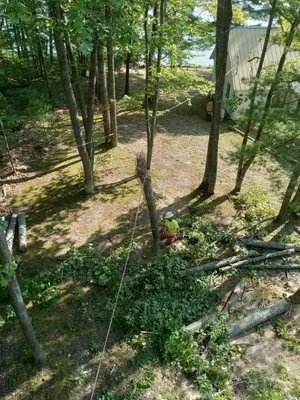
Welcome to Z's Property Care, your local partner in Lewiston for a well-maintained home and yard. I'm here to help you show love to your property, just as you do. From keeping your lawn short and beau...
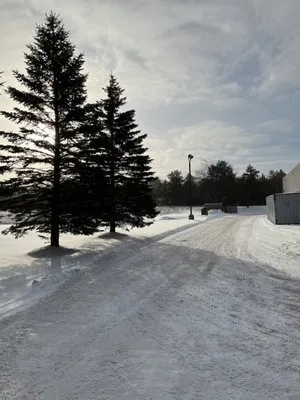
Gaylord Property Services is a trusted, locally-owned company in Gaylord, MI, offering comprehensive lawn care, handyman, and snow removal services to homeowners and businesses. We specialize in addre...
Weesies Bros Garden Center & Landscaping
Weesies Bros Garden Center & Landscaping is a trusted, family-owned West Michigan institution serving the Hart community since 1908. For over a century, they've provided homegrown annuals, perennials,...
The Grounds Guys in Wolverine, MI is a trusted local provider of comprehensive lawn and tree care services, specializing in addressing common landscaping challenges faced by homeowners in the area. Wi...
Louis A. Hoffman Nursery has been a cornerstone of the Harbor Springs community since 1937, growing from a small maintenance operation into a comprehensive landscape design and installation firm. Toda...
Estimated Landscaping Service Costs in Mayfield, MI
Q&A
How should I manage invasive species without chemical runoff concerns?
Mayfield's most concerning invasives include garlic mustard and spotted knapweed, which outcompete native vegetation. Mechanical removal during early growth stages prevents seed set without chemical intervention. For persistent infestations, targeted spot treatments using EPA-approved herbicides are applied outside of spring runoff periods to protect groundwater. These methods align with Michigan's phosphorus ban timing while preventing invasive species from degrading soil health and plant diversity.
Why choose local fieldstone over wood for patio construction?
Local fieldstone offers superior longevity with minimal maintenance compared to wood alternatives that require annual treatment. Its natural thermal mass moderates temperature extremes, while non-combustible properties maintain Mayfield's low Firewise rating for defensible space. Properly installed with permeable bases, fieldstone patios last 30+ years without replacement, avoiding the decomposition and pest issues common with timber structures in Michigan's climate.
How quickly can you respond to an emergency tree cleanup after a storm?
Our electric fleet maintains compliance with Mayfield's 7am-9pm noise ordinance while enabling rapid deployment. From our base near Mayfield Township Park, we route via M-37 to reach most Mayfield Center properties within 20-30 minutes during peak conditions. This response time accommodates both emergency safety situations and HOA compliance deadlines, with equipment pre-loaded for immediate debris removal and hazard mitigation.
Why does my Mayfield Center lawn struggle with compaction and poor drainage?
Mayfield Center properties average 40 years of development since 1986, leading to mature but degraded soil structure. Sandy loam soils in this area naturally compact over decades, reducing permeability and creating anaerobic conditions. Core aeration every 2-3 years is essential to restore oxygen flow and water infiltration. Adding 0.5 inches of compost annually builds organic matter, improving both drainage and nutrient retention in these established landscapes.
How can I maintain Kentucky Bluegrass during dry periods without violating water restrictions?
Wi-Fi ET-based weather sensing irrigation calculates evapotranspiration rates specific to Mayfield's microclimate, applying water only when soil moisture drops below optimal levels. This system typically reduces water use by 25-40% compared to traditional timers while preserving turf health. During normal restriction periods, we program deeper, less frequent cycles that encourage root growth down to 6-8 inches, making your lawn more drought-resilient within municipal water allocations.
What permits and licensing are required for regrading my 0.35-acre property?
Grading projects exceeding 100 cubic yards of soil movement require a permit from Grand Traverse County Planning & Development, with engineered plans for proper drainage. Michigan LARA licensing mandates that contractors performing this work hold either a residential builder or maintenance & alteration license. On 0.35-acre lots, even modest regrading can impact watershed boundaries, necessitating professional oversight to prevent erosion violations and neighbor disputes over water diversion.
What are the benefits of replacing traditional turf with native plants?
Transitioning from Kentucky Bluegrass to native species like Common Milkweed, Wild Bergamot, Little Bluestem, and Black-eyed Susan reduces maintenance inputs by 70-80%. These deep-rooted perennials require no fertilization under Michigan's phosphorus ban and support 2026 biodiversity targets for pollinator corridors. Electric maintenance equipment operates quietly within noise ordinance hours, eliminating gas blower emissions while providing year-round ecological function with minimal irrigation once established.
What solutions address spring water table issues in Mayfield's sandy loam soils?
Moderate to high spring water tables in sandy loam require both surface and subsurface interventions. Installing French drains with clean stone aggregate redirects groundwater away from foundations. For hardscape areas, permeable concrete pavers or local fieldstone set with open joints allow 80-90% of rainfall to infiltrate naturally. These approaches meet Grand Traverse County Planning & Development runoff standards while preventing the saturated conditions that damage plant roots and soil structure.
