Top Landscaping Services in Marshall, MI, 49068 | Compare & Call
There are 74 landscaping companies server in Marshall MI
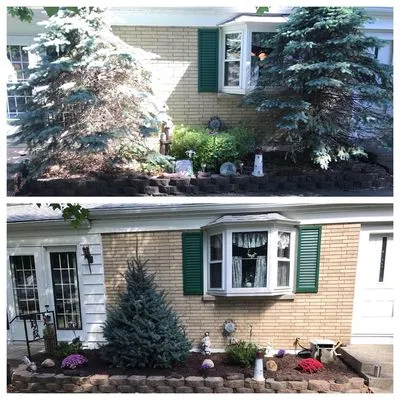
Blades N Spades Outdoor Services
Founded in 2017 by Zach Tupper, Blades N Spades Outdoor Services brings over a decade of personal and professional experience in lawn and landscape care to Battle Creek, MI. We are your local partner ...
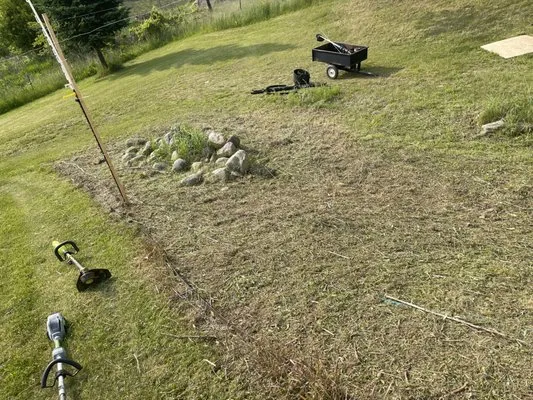
Pristine Greens Lawn Care
Pristine Greens Lawn Care is a trusted local provider in Coldwater, MI, offering comprehensive lawn care, gutter services, and pet waste removal. We help Coldwater homeowners maintain beautiful, funct...

Welch's & Property Management
Welch's & Property Management is a locally owned and operated small business in Battle Creek, MI, founded by Devin Welch. With over 10 years of experience in lawn care and property services, Devin bri...

Casella Infinity & Beyond Services is your trusted, local provider for comprehensive home and property care in Nashville, MI. We specialize in professional carpet, upholstery, and deep cleaning servic...
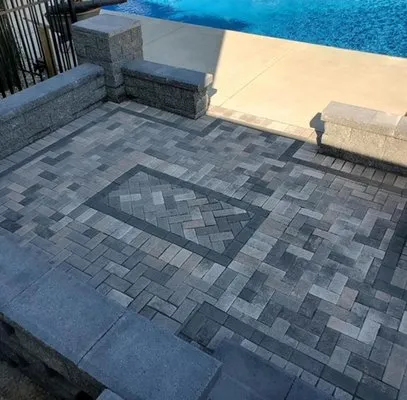
White Collar Lawn & Landscaping Services
White Collar Lawn & Landscaping Services is a trusted local provider in Marshall, MI, offering comprehensive lawn care, landscape design, and snow removal solutions. We specialize in addressing common...
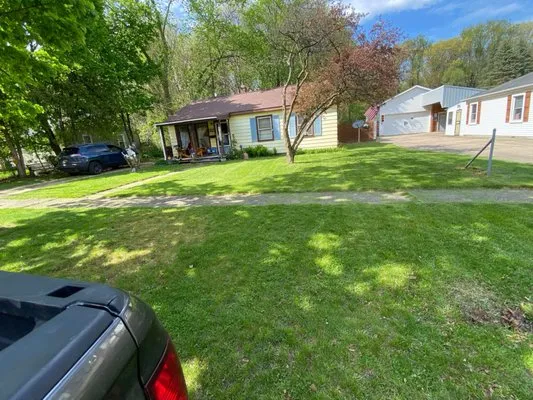
Colton's Landscaping is a locally-owned and operated service in Albion, MI, dedicated to keeping your property looking its best year-round. We offer comprehensive lawn care, including mowing, trimming...
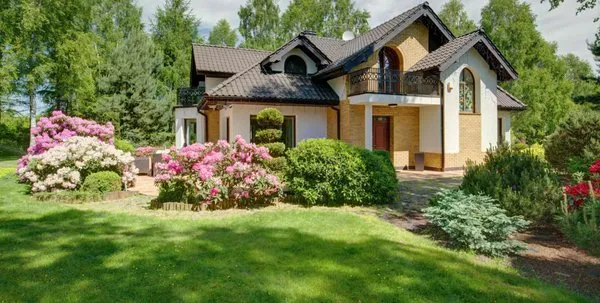
McFadden's Property Maintenance is a locally-owned and operated landscaping and tree care company serving Marshall, MI, and the surrounding areas. We specialize in providing reliable, expert care for ...
R&J Outdoor Services is your trusted local partner in Marshall, MI, for a cleaner, more functional outdoor space. We specialize in junk removal & hauling, landscaping, and pressure washing services. A...
Fine Line Lawn Service in Marshall, MI, is a locally owned and operated landscaping business dedicated to keeping your yard healthy and well-maintained. We offer a comprehensive range of services, inc...
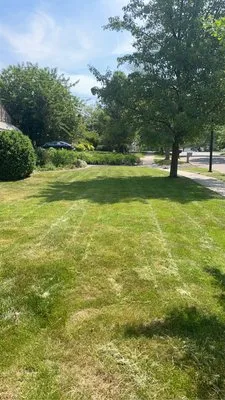
Buffington Lawn is a dedicated lawn care provider serving Marshall, MI, and the surrounding area. We specialize in addressing common local lawn challenges, such as poor grading and patchy grass, which...
Estimated Landscaping Service Costs in Marshall, MI
FAQs
Our Marshall Historic District home was built in 1953. Why does the soil seem compacted and nutrient-poor?
Marshall's sandy loam soil, with its 73-year maturity since 1953 construction, has likely experienced significant compaction from decades of foot traffic and conventional maintenance. This soil type naturally has moderate permeability but loses structure over time without organic amendments. Core aeration every 2-3 years combined with compost topdressing addresses compaction while maintaining the pH 6.2-6.8 range optimal for most landscape plants. Historic district lots often show this pattern due to limited soil disturbance over generations.
We need emergency storm cleanup to meet HOA compliance deadlines. How quickly can a crew arrive?
Emergency response crews dispatch from Marshall Fountain Circle via I-69, reaching most Marshall Historic District properties within 20-30 minutes during peak conditions. This routing avoids residential congestion while maintaining compliance with the 9:00 PM-7:00 AM noise ordinance through electric equipment deployment. The response window accounts for debris assessment and safety protocols before beginning cleanup operations.
What low-maintenance alternatives exist for our high-water turf areas?
Transitioning to native plant communities featuring Purple Coneflower, Butterfly Milkweed, Little Bluestem, Wild Bergamot, and New England Aster reduces water needs by 75-90% compared to conventional turf. These deep-rooted perennials support local pollinators while requiring minimal maintenance beyond seasonal cutting. This approach aligns with evolving noise ordinances restricting gas-powered equipment and supports Marshall's biodiversity goals for 2026.
Our sandy loam soil experiences moderate runoff during heavy rains. What drainage solutions work best?
Sandy loam's moderate permeability combined with Marshall's seasonal high water table creates runoff challenges. Permeable clay brick pavers installed with proper base materials increase infiltration rates by 40-60% compared to conventional pavements. This approach meets City of Marshall Planning and Zoning Department runoff standards while preventing standing water. French drains or dry wells may supplement this system in areas with persistent saturation.
What permits and licenses are needed for grading our 0.25-acre lot?
Grading projects on 0.25-acre lots require City of Marshall Planning and Zoning Department permits for any earth movement exceeding 50 cubic yards. Contractors must hold appropriate licensing through Michigan LARA, with specific endorsements for erosion control and stormwater management. These requirements ensure compliance with local runoff standards and prevent downstream impacts. Professional documentation of pre- and post-grading elevations is typically required for permit closure.
Should we use permeable clay brick pavers or wood for our new patio?
Permeable clay brick pavers offer 50+ year lifespans with minimal maintenance, compared to wood's 10-15 year replacement cycle. Their non-combustible nature supports Marshall's low fire-wise rating in urban-suburban interfaces by maintaining defensible space. Clay's thermal mass moderates temperature extremes while the permeable design manages runoff. Initial costs are higher than wood but provide superior longevity and regulatory compliance.
How can we maintain Kentucky Bluegrass and Fine Fescue turf during Marshall's voluntary water conservation periods?
Wi-Fi ET-based weather sensing irrigation systems automatically adjust watering schedules using real-time evapotranspiration data from local weather stations. This technology reduces water use 20-40% compared to traditional timers while preserving turf health. During Stage 0 voluntary conservation, these systems prioritize deep, infrequent watering during optimal morning hours to minimize evaporation loss and stay within municipal water limits.
We've spotted invasive Japanese knotweed. How do we treat it without violating fertilizer regulations?
Japanese knotweed requires systemic herbicide application during active growth phases, typically late summer through early fall. Treatment must avoid Michigan's Part 85 Phosphorus Regulations blackout dates (typically April 1-June 15 for most fertilizers). Professional applicators licensed through LARA use targeted methods that minimize soil disturbance and prevent spread. Follow-up monitoring for 2-3 growing seasons ensures complete eradication without regulatory violations.
