Top Landscaping Services in Marquette, MI, 49855 | Compare & Call

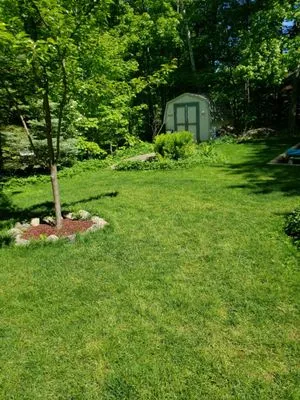
Fuller's Outdoor Maintenance
Fuller's Outdoor Maintenance is a locally owned and operated landscaping company serving homeowners across Marquette, MI. We provide comprehensive year-round services, including expert irrigation desi...

Busy Boys Home Solutions is a Marquette-based company founded by three Northern Michigan University student-athletes who combine their experience in landscaping, painting, construction, and maintenanc...
Rooted in Marquette since 1988, Nagelkirk Gardens is a local, family-owned business that brings deep horticultural knowledge and practical design to every project. Founded by Steve Nagelkirk, whose jo...

Victory Garden Landscaping
Victory Garden Landscaping is a Marquette-based company providing expert landscape design, maintenance, and tree care to enhance the beauty and health of local properties. We understand the unique cha...
Outdoor Aesthetics Lawncare and Landscaping has been a trusted Marquette, MI provider since 2006, offering comprehensive outdoor maintenance solutions. As a locally owned business, we specialize in la...
Yooper Yards provides Marquette homeowners with environmentally-conscious lawn care grounded in local expertise. We understand the unique challenges of the Upper Peninsula's climate, from persistent w...
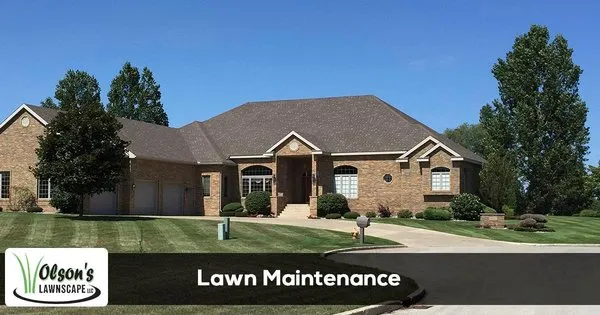
Olson's Lawnscape is Marquette, MI's trusted partner for year-round property care. We help local homeowners tackle common Upper Peninsula challenges like overgrown shrubs and failing irrigation timers...

Wildwood Gardening is Marquette's trusted partner for transforming challenging landscapes into beautiful, resilient outdoor spaces. We understand the unique struggles of local homeowners, such as dead...
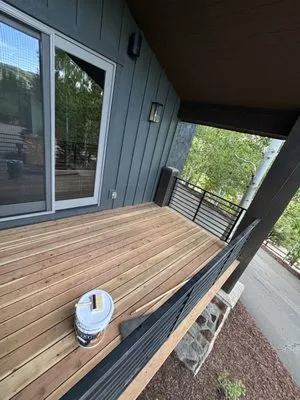
UP Keep Property Pros is a Marquette-based service provider specializing in gardening, lawn care, and pressure washing. We understand the unique challenges of maintaining outdoor spaces in Michigan's ...
Legendary Handy Man is Marquette, MI's trusted local solution for home and property maintenance. We specialize in expert handyman services and comprehensive landscaping, directly addressing the common...
FAQs
What permits and licenses are needed for regrading my yard?
Grading projects on 0.22-acre lots require Marquette City Planning & Zoning Department permits for erosion control and drainage alterations. Contractors must hold Michigan LARA landscaping licenses for earthmoving exceeding certain volumes. These regulations ensure proper stormwater management and prevent downstream impacts. Always verify contractor licensing before work begins to guarantee compliance with local and state requirements.
Should I replace some lawn with native plants to reduce maintenance?
Transitioning high-maintenance turf to Serviceberry, Wild Bergamot, and Canada Anemone creates biodiversity corridors while reducing mowing frequency. Native plantings require less water and no phosphorus fertilizer, aligning with Michigan's environmental regulations. This approach future-proofs landscapes against potential gas-blower restrictions under noise ordinances. Established natives like White Spruce also provide year-round structure with minimal inputs.
What's the best solution for spring snowmelt pooling in my yard?
High spring saturation in acidic sandy loam requires French drains or dry wells to redirect water from foundations. Permeable Marquette Red Sandstone patios and walkways meet City Planning & Zoning Department runoff standards by allowing infiltration. These systems work with the soil's natural 5.5-6.5 pH characteristics rather than against them. Proper grading on 0.22-acre lots prevents erosion while managing snowmelt volumes.
Is Marquette Red Sandstone better than wood for durable landscaping?
Marquette Red Sandstone offers superior longevity with minimal maintenance compared to wood's decay in Zone 4b winters. Its non-combustible nature supports Moderate Fire Wise ratings by creating defensible space in wildland-urban interface areas. Properly installed sandstone requires no chemical treatments and integrates with native plantings. The material's thermal mass moderates soil temperature extremes for adjacent vegetation.
How do I control invasive species without chemical runoff concerns?
Manual removal of invasive plants before seed set prevents spread while avoiding phosphorus fertilizer restrictions. For persistent species like garlic mustard, targeted spot treatments use EPA-approved herbicides applied during dry periods to prevent runoff. Always check Michigan Department of Agriculture blackout dates for application timing. Healthy native plantings naturally resist invasion through competitive exclusion.
Why does my East Side yard have such poor drainage and compacted soil?
Marquette's East Side properties average 58 years of development since 1968 construction, creating mature but compacted acidic sandy loam soil. Decades of foot traffic and equipment use reduce soil percolation rates below optimal levels. Core aeration with organic compost amendments addresses this compaction while maintaining the pH 5.5-6.5 range. This treatment improves root penetration for Kentucky Bluegrass and Fine Fescue mixes common in the neighborhood.
How quickly can you respond to storm damage for HOA compliance?
Emergency cleanup crews dispatch from Presque Isle Park via US-41, reaching East Side properties within 20-30 minutes during peak response windows. This routing avoids downtown congestion while maintaining compliance with Marquette's 10:00 PM to 7:00 AM noise ordinance for equipment operation. Crews prioritize safety hazards like downed branches before addressing aesthetic concerns to meet most HOA timelines.
Will smart irrigation controllers save water on my Kentucky Bluegrass lawn?
Smart Wi-Fi controllers with freeze-sensor overrides optimize irrigation by using local evapotranspiration data and soil moisture sensors. These systems apply water only when needed, typically reducing usage 20-30% while maintaining turf health. Even without mandatory restrictions, this technology supports Marquette's seasonal voluntary conservation goals. Proper programming accounts for acidic sandy loam's faster drainage versus water retention needs.
