Top Landscaping Services in Maple River Township, MI, 49706 | Compare & Call
There are 91 landscaping companies server in Maple River Township MI
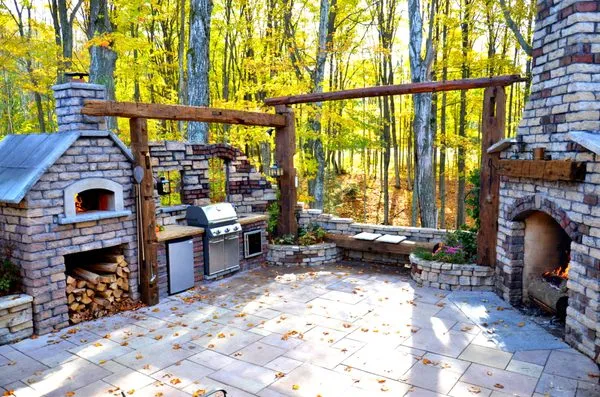
Since 1999, Lakefront Landscapes has been dedicated to transforming Central Lake properties into personal retreats. With over 30 years of combined experience, our team of licensed and insured professi...
Hoffman Richard Landscaping is a trusted, locally-owned landscaping company serving Petoskey, MI, and the surrounding area. We specialize in providing practical, reliable solutions for homeowners faci...
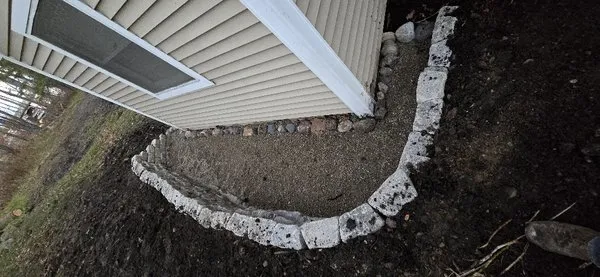
Key's Land and Dock is a full-service property management and construction company serving Indian River, Michigan, and the surrounding areas. We specialize in creating and maintaining functional, beau...
Ashton Hawk Lifestyle Landscapes serves Petoskey homeowners by providing expert solutions for common Northern Michigan landscape challenges. We specialize in diagnosing and revitalizing dying shrubs a...
Serving Petoskey, MI, 5 H Irrigation & Maintenance is your local partner for a healthy, resilient landscape. We specialize in comprehensive solutions, from custom irrigation design and installation to...
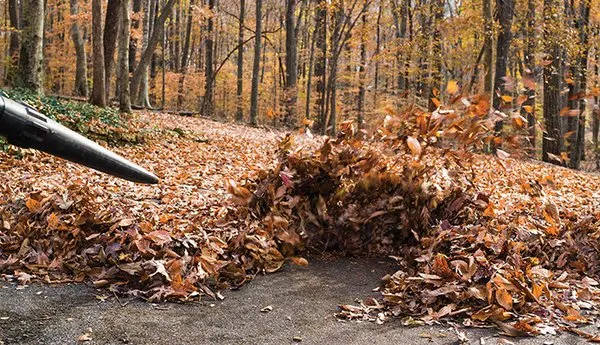
Skyline Property Maintenance is your local partner for a beautiful and functional outdoor space in Petoskey. We specialize in comprehensive property care, from routine lawn mowing and seasonal clean-u...
Kayla, the founder of Northern Shores Concierge, brings her deep-rooted Petoskey values to every service. A passionate advocate for an active lifestyle, she spends winters coaching with the Petoskey H...
Shrader's Services Lawn Care and More is your trusted local lawn care expert in Petoskey, MI. We specialize in comprehensive lawn services designed to tackle Northern Michigan's specific challenges, p...
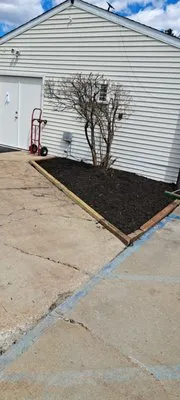
D.F landscape & Construction
D.F Landscape & Construction is a Gaylord-based company founded in 2019, born from a desire to turn years of hands-on experience into a reliable local service. When the pandemic disrupted previous emp...
Clean Cut Lawn Care provides expert lawn care services for Petoskey, MI homeowners. We understand the unique challenges of Northern Michigan's weather, from heavy storms to seasonal wear and tear. A c...
Estimated Landscaping Service Costs in Maple River Township, MI
Q&A
Our yard has standing water issues each spring. What solutions work with our loamy sand soil?
Moderate seasonal high water tables in loamy sand require permeable hardscape solutions. Concrete pavers with open joints or crushed limestone installations allow 40-60% greater water infiltration than solid surfaces. These materials meet Clinton County Community Development Department runoff standards by reducing impervious coverage. French drains or dry wells placed in low-lying areas provide additional capacity during peak saturation periods.
We're considering a new patio. How do concrete pavers compare to wood for longevity in our climate?
Concrete pavers offer superior longevity in USDA Zone 5b, typically lasting 25+ years versus wood's 10-15 year lifespan. Their non-combustible nature maintains the Low Fire Wise rating by preserving defensible space. Properly installed with adequate base material, pavers resist frost heave better than wood structures. This material requires minimal maintenance while providing stable surfaces that don't degrade with seasonal moisture fluctuations.
We want to regrade part of our 0.35-acre lot. What permits and contractor qualifications should we verify?
Grading work on 0.35-acre lots requires permits from the Clinton County Community Development Department. Contractors must hold appropriate licensing through Michigan's Department of Licensing and Regulatory Affairs (LARA). Professional licensing ensures compliance with erosion control standards and proper drainage implementation. Unpermitted grading can violate municipal codes and create liability issues, particularly with the area's moderate seasonal high water table conditions.
We need emergency storm cleanup to meet HOA compliance deadlines. What's your fastest response time?
Our electric maintenance fleet can dispatch from the Maple River Community Center within 15 minutes. Using US-127, we reach Maple River Estates properties in 35-50 minutes during peak conditions. Electric equipment operates within the 8:00 PM to 7:00 AM noise ordinance restrictions, allowing extended work windows. This routing minimizes response time while maintaining compliance with all local regulations.
How do we keep our Kentucky Bluegrass and Fine Fescue blend healthy during dry periods without violating water restrictions?
Smart Wi-Fi ET-based weather sensing irrigation systems calculate evapotranspiration rates using local weather data. These systems automatically adjust watering schedules to deliver precise amounts matching plant needs. During Stage 0 voluntary conservation periods, this technology reduces water use by 20-40% compared to traditional timers. The system maintains turf health while staying well within municipal water allocation limits through optimized application timing.
We've spotted invasive garlic mustard in our garden. How should we treat it safely?
Garlic mustard requires manual removal before seed set in early spring. Pull plants completely, including the taproot, and bag all material for disposal. Phosphorus-free fertilizers compliant with Michigan's Natural Resources and Environmental Protection Act support soil health without promoting invasive growth. Avoid treatment during blackout dates specified in local ordinances. Regular monitoring prevents re-establishment of this aggressive species.
Our Maple River Estates lawn seems compacted and struggles to absorb water. Is this typical for our neighborhood?
Maple River Estates homes built around 1981 have 45-year-old soil profiles. Loamy sand soils in this area naturally compact over decades, reducing permeability and root penetration. Core aeration every 2-3 years addresses this by creating channels for air, water, and organic matter. Adding compost or aged manure improves soil structure without altering the optimal 6.2-6.8 pH range. This approach restores soil health more effectively than chemical amendments alone.
We want to reduce lawn maintenance while supporting local ecology. What native plants thrive here?
Replacing high-maintenance turf with Butterfly Milkweed, Wild Bergamot, Little Bluestem, and Pale Purple Coneflower creates resilient landscapes. These natives require minimal watering once established and support pollinators throughout the growing season. Transitioning to electric maintenance equipment aligns with evolving noise ordinance considerations regarding gas-powered blowers. This approach reduces maintenance frequency while enhancing biodiversity beyond 2026 standards.
