Top Landscaping Services in Manistee, MI, 49626 | Compare & Call
There are 34 landscaping companies server in Manistee MI
Double R Lawn Service is a trusted, locally owned lawn care provider serving Manistee, MI. We understand the unique challenges homeowners face in our area, such as lawn damage caused by invasive tree ...

L&K Lawn Care has been serving Manistee, MI since 2000, providing reliable lawn care and landscaping services. With flexible scheduling on both weekdays and weekends, we accommodate busy homeowners wh...
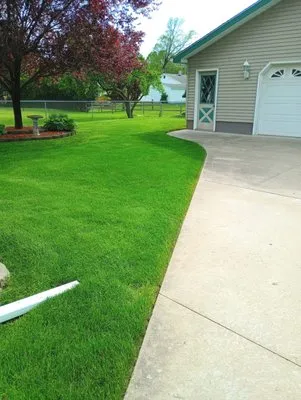
Kay's Lawn Care is a trusted, locally-owned lawn service and snow removal company serving Manistee, MI. We specialize in comprehensive lawn care and reliable snow removal to keep your property looking...

SE GreenGate is a Manistee-based outdoor services company founded by two best friends who share a passion for bringing artistic, nature-inspired landscapes to local homes. What started as a side proje...
Estimated Landscaping Service Costs in Manistee, MI
Questions and Answers
How quickly can you respond to a storm-damaged tree blocking my driveway?
Emergency cleanup crews dispatch from the Manistee Riverwalk maintenance yard within 15 minutes of notification. Using US-31 provides direct arterial access to Historical Downtown properties during peak response windows. Our electric fleet meets standard noise ordinance requirements while enabling rapid deployment without combustion engine warm-up delays. This routing maintains the 15-20 minute arrival window even during typical downtown congestion periods.
What low-maintenance options exist for reducing weekly mowing and gas equipment noise?
Replacing high-input turf areas with native plant communities eliminates weekly mowing while providing year-round ecological function. Common Milkweed, Wild Bergamot, and Little Bluestem establish deep root systems that require no irrigation after establishment. This transition reduces maintenance equipment run-time by 70-80%, staying ahead of potential gas-blower restrictions in noise ordinance updates. Native plantings support local pollinator populations while creating visual interest through seasonal bloom cycles and structural diversity.
How do I control invasive species without using phosphorus fertilizers?
Michigan's statewide phosphorus ban requires targeted approaches to invasive management. For common invaders like garlic mustard or spotted knapweed, manual removal during early growth stages proves most effective. When chemical intervention becomes necessary, selective herbicides with 0% phosphorus formulations applied during dry periods prevent leaching through sandy loam. Always verify treatment windows don't conflict with local fertilizer blackout dates, typically early spring and late fall when soil temperatures favor nutrient uptake by desirable species.
How do I keep my Kentucky Bluegrass mix green without violating water conservation guidelines?
Smart Wi-Fi soil moisture sensor controllers prevent overwatering in Manistee's voluntary conservation environment. These systems measure actual evapotranspiration rates and soil moisture at root depth, applying water only when the turfgrass mix shows 30-50% depletion. This approach reduces typical irrigation volumes by 25-40% while maintaining turf health. The technology automatically adjusts for sandy loam's rapid leaching characteristics, preventing runoff and staying well within municipal water system capacities.
What permits and licenses are needed to regrade my 0.22-acre lot?
Grading work on 0.22-acre lots requires both municipal permits and professional licensing. The Manistee City Planning & Zoning Department issues grading permits after reviewing erosion control plans and drainage calculations. Contractors must hold appropriate licensing through Michigan LARA, with landscape architects requiring specific registration for designs altering more than 2,000 square feet. These regulations ensure proper water management on sandy loam soils and prevent downstream sedimentation in the Manistee River watershed.
My yard floods briefly then dries out completely - what's happening with my soil?
Sandy loam's high permeability creates rapid leaching where water moves quickly through the profile but leaves surface areas dry. Installing permeable concrete pavers or crushed limestone hardscapes increases infiltration rates to 5-10 inches per hour, meeting Manistee Planning & Zoning Department's runoff management standards. These materials create stable surfaces while allowing 90-95% of rainfall to percolate into the soil matrix, reducing erosion and preventing the brief ponding you're observing.
Should I use concrete pavers or wood for my new patio in this climate?
Concrete pavers outperform wood in Manistee's Zone 5b climate with 30+ year lifespans versus wood's 10-15 year replacement cycle. The thermal mass of concrete moderates temperature extremes while providing non-combustible surfaces that maintain defensible space per low Fire Wise ratings. Crushed limestone offers similar benefits with higher permeability rates. Both materials resist frost heave better than wood systems and require no chemical treatments that could leach into the sandy loam profile.
Why does my Historical Downtown lawn have such poor soil structure after 75 years?
Manistee's Historical Downtown lots average 75 years of soil development since 1951 construction. Decades of compaction from foot traffic and minimal organic input have degraded the native sandy loam's structure. This soil type naturally has moderate permeability but now requires core aeration to improve oxygen exchange and water retention. Incorporating composted organic matter at 1-2 inches annually rebuilds soil biology and addresses the pH 6.2-6.8 range's tendency toward nutrient leaching.
