Top Landscaping Services in Madison Heights, MI, 48071 | Compare & Call
There are 199 landscaping companies server in Madison Heights MI
Lawn Aid Irrigation is a Warren, MI-based landscaping company dedicated to helping local homeowners maintain beautiful, healthy outdoor spaces. We specialize in addressing common local issues like ove...
Trynex International is a Madison Heights-based landscaping company dedicated to solving common local outdoor challenges. We specialize in addressing the frequent issues of irrigation timer failure an...
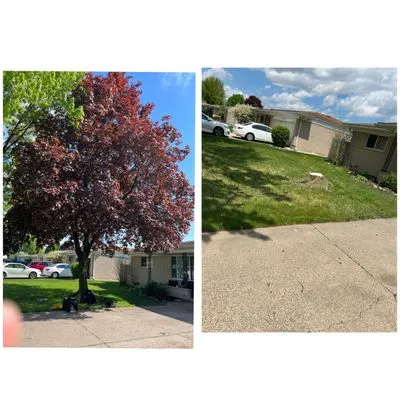
JDs Yard Men is a trusted local landscaping service based in Warren, MI, specializing in comprehensive outdoor care for residential and commercial properties. With a focus on tree services, lawn maint...
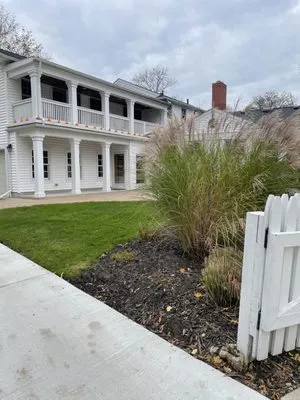
Apex Outdoor Services is a Ferndale-based landscaping company dedicated to comprehensive property care. We go beyond basic lawn maintenance to provide full-service solutions for residential, commercia...
Detroit Gardens is a sustainable landscaping company based in Royal Oak, MI, dedicated to transforming outdoor spaces across the greater Detroit area. With a focus on creating unique, enduring landsca...
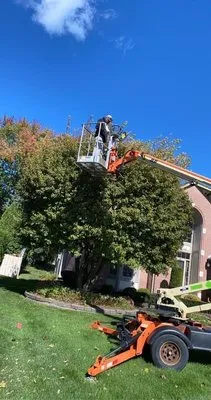
A&D Lawn and Tree is a trusted, locally-owned provider serving Warren, MI, and the surrounding areas. We specialize in comprehensive tree and lawn care, from routine maintenance like pruning and mowin...
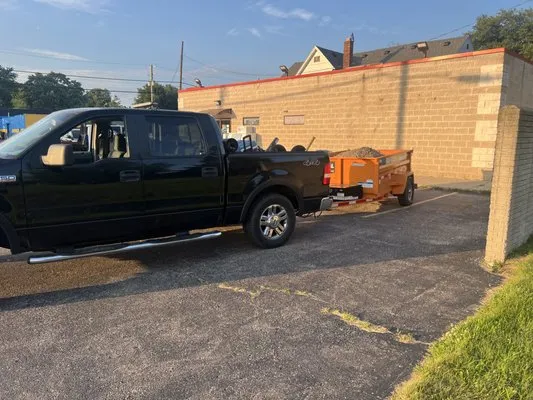
Lawn and Order Landscaping has been serving Hazel Park, MI for 9 years, bringing over 23 years of combined experience to every project. We specialize in transforming outdoor spaces with services rangi...
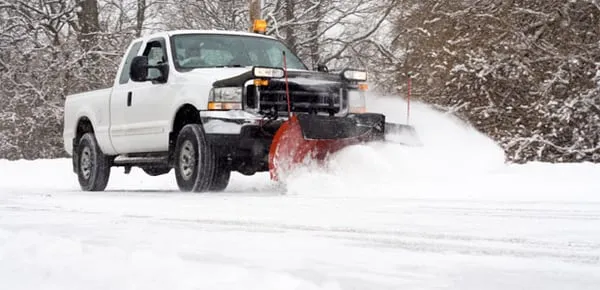
Oakridge Lawn and Snow provides professional commercial landscaping and snow removal services exclusively to businesses in Royal Oak, MI, and the surrounding Tri-County area. Founded in 1987, our expe...
Ynot Lawn Care was founded in 2005 by an owner passionate about working outdoors and dedicated to providing reliable lawn care services. Starting as a part-time endeavor while working a full-time even...
Neighborhood Lawn Care is a trusted, locally-owned landscaping company serving the Troy, MI community since 2005. We provide comprehensive lawn care and maintenance, along with full-scale landscape co...
Estimated Landscaping Service Costs in Madison Heights, MI
Q&A
How quickly can you respond to an emergency storm cleanup for HOA compliance?
Emergency storm response typically requires 20-30 minutes during peak hours from our dispatch at Civic Center Park. The route via I-75 provides direct access to Lamphere neighborhoods, allowing rapid deployment of electric maintenance equipment that complies with Madison Heights noise ordinances. We prioritize clearing fallen branches and debris that violate HOA safety standards, with electric chainsaws and sweepers operating within the 7:00 AM to 9:00 PM restricted hours.
Why does my Lamphere neighborhood soil feel so compacted and dense?
Madison Heights lots in the Lamphere area typically date to the 1960s, giving the soil 65+ years of maturation. The loam/clay loam composition naturally compacts over decades, reducing permeability and oxygen availability to root zones. Core aeration every 1-2 years combined with organic amendments like composted leaf mold addresses this by improving soil structure and microbial activity. This is particularly important for maintaining healthy turf and preventing the localized ponding common in these soils.
What permits and licenses are needed for grading my 0.19-acre property?
Grading projects exceeding 50 cubic yards of earth movement require a permit from the Madison Heights Community & Economic Development Department to ensure proper drainage and erosion control. Contractors must hold appropriate licensing through Michigan LARA, with landscape architects needing specific registration for design work. On 0.19-acre lots, even modest grading can significantly impact water flow patterns, making professional oversight essential for compliance with local ordinances and preventing neighbor disputes.
What's the best solution for occasional ponding in my clay-heavy yard?
High clay content in Madison Heights soils creates permeability challenges that lead to localized ponding. Installing French drains with clean gravel and perforated pipe redirects subsurface water away from problem areas. For hardscape solutions, permeable concrete pavers or crushed limestone bases meet Madison Heights Community & Economic Development Department runoff standards by allowing water infiltration. These systems work with the soil's natural composition rather than against it.
Are concrete pavers better than wood for durability in our climate?
Concrete pavers and crushed limestone outperform wood in Madison Heights' freeze-thaw cycles, with 30+ year lifespans versus wood's 10-15 years. These materials require no chemical treatments and maintain integrity despite temperature fluctuations. While Madison Heights has a low Fire Wise rating due to its urban setting, non-combustible hardscapes provide defensible space benefits in higher-risk zones. Proper installation with adequate base material prevents shifting and maintains drainage function.
How do I keep my Kentucky Bluegrass lawn green without wasting water?
Smart Wi-Fi ET-based irrigation controllers calculate evapotranspiration rates using local weather data, applying water only when needed. These systems maintain turf health while staying within voluntary conservation guidelines, typically reducing water use by 20-30% compared to traditional timers. For Madison Heights' loam/clay loam soils, deep, infrequent watering encourages deeper root growth and improves drought tolerance. Programming should account for the soil's moderate permeability to prevent runoff.
Can I reduce maintenance while making my yard more ecologically valuable?
Replacing high-maintenance turf areas with native plantings like Purple Coneflower, Butterfly Milkweed, and Little Bluestem creates habitat while reducing water and chemical inputs. These species thrive in Madison Heights' USDA Zone 6b conditions with minimal intervention. The transition supports 2026 biodiversity standards and reduces reliance on gas-powered equipment ahead of tightening noise ordinances. Native plant communities also improve soil health through deeper root systems and mycorrhizal relationships.
What invasive species should I watch for and how do I control them safely?
Garlic mustard and Japanese knotweed pose significant threats in Madison Heights, outcompeting natives and degrading soil structure. Manual removal before seed set is most effective, followed by targeted spot treatments with EPA-approved herbicides applied during optimal growing conditions. These methods avoid violating Michigan's phosphorus ban, which prohibits most fertilizer applications unless establishing new turf or correcting documented soil deficiencies. Regular monitoring prevents reinfestation.
