Top Landscaping Services in Ludington, MI, 49431 | Compare & Call

There are 36 landscaping companies server in Ludington MI
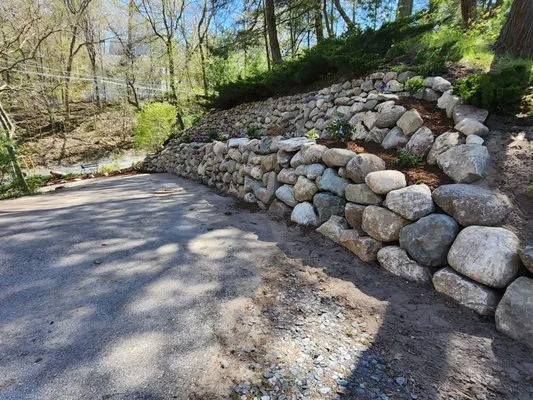
For over 26 years, Jenny's Professional Landscaping has been a trusted, family-owned business serving Shelby and the surrounding communities. What began as a dedicated mom-and-pop operation has grown ...

Larson Services is a full-service landscaping and outdoor construction company serving Montague, MI, and the surrounding area. We specialize in comprehensive property solutions, from initial landscape...

Broom’s & Bloom’s Services is a locally owned and operated company in Muskegon, MI, built on a foundation of hard work, integrity, and pride. Founded by Derrick and Tana, we provide dependable residen...

Heart and Hands In Home Care
Heart and Hands In Home Care, locally owned and operated in Muskegon, MI, has been a trusted provider of in-home support since 1999. We offer a compassionate range of personal care services, from groo...

West Michigan Pro Services is your trusted, full-service contractor and landscaping expert serving Ludington and the surrounding area. We specialize in turning your property into a functional and beau...
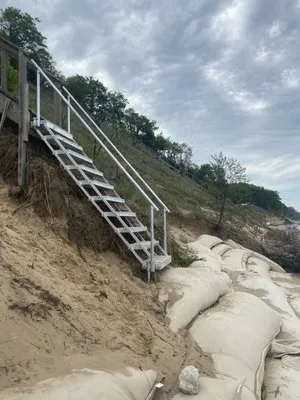
Lakeshore Customs
Lakeshore Customs is a family-owned and operated business in Holland, founded by two brothers who understand the unique challenges of living along the Lake Michigan shoreline. Initially focusing on sp...

All-Around Pro Services is your trusted local provider in Manistee, MI, offering expert pressure washing, lawn care, and window cleaning to enhance your property's curb appeal and health. We understan...

Bravo Tree Service is a local, family-owned business serving Shelby and surrounding communities. We believe in a higher standard of care, where integrity, hard work, and genuine enthusiasm guide every...
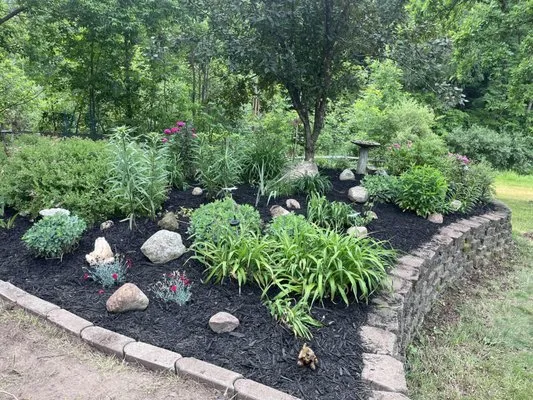
Coopers Lawn Care has been the trusted local choice for Fountain, MI, and surrounding Mason County since 2016. We provide reliable, honest services for both residential and commercial properties, focu...

North Western Roots is a locally owned lawn and landscape company dedicated to enhancing the natural beauty of properties in Eastlake, Michigan, and the surrounding region. We focus on creating sustai...
Estimated Landscaping Service Costs in Ludington, MI
Common Questions
Can you respond quickly for an emergency tree limb cleanup after a storm?
For urgent HOA compliance or safety issues, our dispatch from Stearns Park via US-10 allows a 15-20 minute peak response to the Downtown Residential area. Our electric maintenance fleet operates quietly within municipal noise ordinance hours (8:00 AM - 8:00 PM), enabling rapid, non-disruptive service. We prioritize securing the site and clearing debris to restore access and safety.
Why is my lawn so compacted and thin compared to newer neighborhoods?
Ludington Downtown Residential lots, with homes averaging 67 years old, have sandy loam soil that has undergone decades of foot traffic and conventional maintenance. This history depletes soil organic matter, reducing its structure and water-holding capacity. Core aeration is critical to relieve compaction and improve oxygen flow to grass roots. Incorporating compost or well-aged manure will rebuild soil biology and enhance nutrient retention in this fast-draining profile.
What are the biggest weed threats and how do I manage them responsibly?
In this area, invasive species like Spotted Knapweed and Japanese Knotweed pose significant alerts. Management requires diligent mechanical removal or targeted, professional-grade herbicide applications timed to plant physiology. All treatments must comply with Michigan's Phosphorus Nutrient Management law, which prohibits fertilizer application on impervious surfaces to protect Lake Michigan. A soil test is the first step to avoid unnecessary inputs.
My yard drains too fast and fertilizers seem to wash away. What's the solution?
High permeability in sandy loam leads to rapid nutrient leaching. Solving this requires improving the soil sponge, not adding drainage. Amending with compost increases organic matter, enhancing water and nutrient retention. For hardscapes, specify permeable concrete pavers or open-joint natural fieldstone installations. These meet Ludington Building & Planning Department runoff standards by allowing infiltration, reducing polluted discharge into the watershed.
What permits and credentials should I verify before hiring for a grading project?
Any significant grading or earthwork on a 0.15-acre lot typically requires a permit from the Ludington City Building & Planning Department to ensure proper stormwater management. The contractor must hold appropriate licensing through the Michigan Department of Licensing and Regulatory Affairs (LARA). This ensures they carry insurance and adhere to state sediment control regulations, protecting you from liability and environmental violations.
How can I keep my Kentucky Bluegrass lawn green without wasting water?
Despite voluntary conservation rules, smart Wi-Fi soil moisture sensor controllers are essential. They irrigate based on actual evapotranspiration (ET) and root zone conditions, preventing the overwatering that sandy loam promotes. This technology maintains turf health by applying water only during early morning windows to minimize evaporation. It directly counters rapid leaching, ensuring water penetrates to the root depth your grass blend requires.
Are concrete pavers or wood a better choice for a long-lasting patio?
Concrete pavers and natural fieldstone offer superior longevity and minimal upkeep compared to wood, which decays and requires chemical treatments. In our Low Fire Wise rating zone, non-combustible hardscapes contribute to defensible space. Pavers also handle freeze-thaw cycles well in Zone 6a. Their permeability, when installed correctly, manages stormwater on-site, which is a growing priority for local code.
I want a beautiful, low-maintenance yard that doesn't need weekly mowing.
Transitioning high-input turf to a climate-adaptive xeriscape with native plants like Butterfly Milkweed, Little Bluestem, and Sand Coreopsis is a forward-looking strategy. These species are adapted to local soils and rainfall, requiring no fertilization and minimal watering once established. This shift reduces dependency on gas-powered equipment, aligning with evolving noise ordinances and 2026 biodiversity goals for urban corridors.
