Top Landscaping Services in Livonia, MI, 48150 | Compare & Call

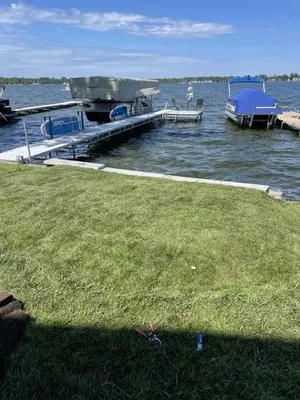
B-B Services is a Livonia-based landscaping and handyman company dedicated to providing reliable, professional services for homeowners in our community. We specialize in comprehensive outdoor solution...
Greg Davis Landscape Service is a family-owned Livonia landscaping company with over 30 years of experience transforming local outdoor spaces. Founded by Greg Davis in 1993, the business blends his ba...
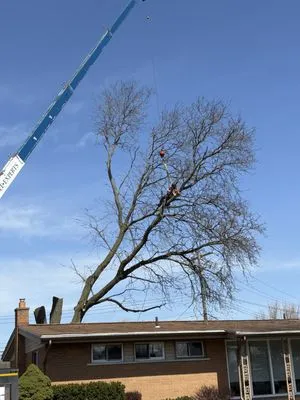
For over two decades, Nate's Outdoor Services has been a trusted family-owned and operated business in Livonia, serving Metro Detroit. As a father and son team, they bring a personal commitment to eve...
D&B Landscaping is a family-owned, full-service landscape company serving Livonia and southeast Michigan since 1972. With certified landscape architects and horticulturalists on staff, they provide co...
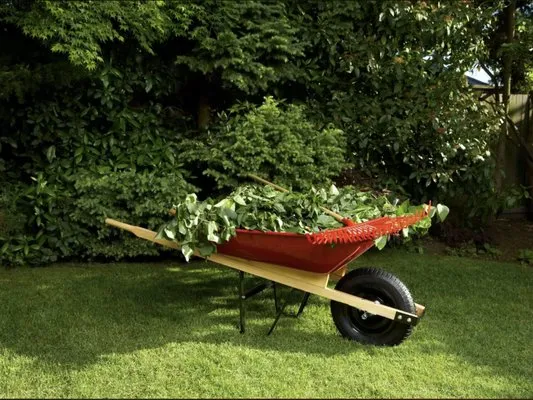
Rockin Ricks in Livonia, MI is your trusted local partner for comprehensive property maintenance and improvement. Since 2020, we've been serving both residential and commercial clients with a full ran...
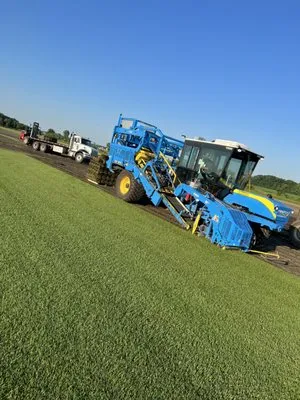
Peltz Sodding is a family-owned Livonia institution, providing expert landscaping and sodding services to the Metropolitan Detroit area since 1956. We specialize in our signature Grade A bluegrass sod...
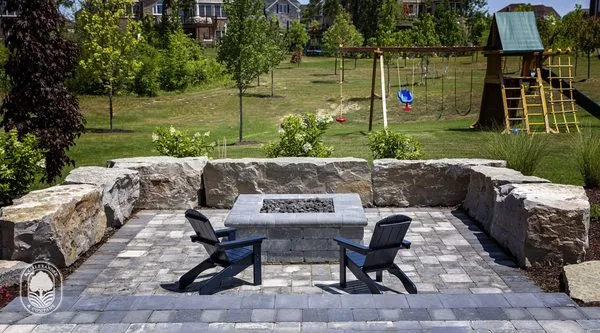
D.A. Alexander & Company, Inc. has been a trusted name in the Livonia, MI community since 1978, providing comprehensive outdoor solutions. We specialize in landscape design, construction, and maintena...
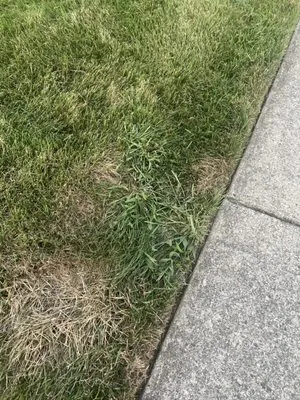
D&B Greener is a trusted local gardening, lawn, and tree service provider serving Livonia, MI. With a focus on creating customized maintenance programs, they help residents achieve safer, more enjoyab...
Johnny Redbones Tree Service is a Livonia-based, family-owned company dedicated to comprehensive tree and landscape care. With over a decade of experience, we specialize in everything from large, comp...
Rytel Renovations is a trusted, locally owned and operated contractor serving Livonia and the surrounding communities. We build our reputation on a foundation of integrity, clear communication, and me...
Questions and Answers
What permits and licenses are needed for regrading my yard?
Regrading a 0.25-acre lot in Livonia requires a permit from the Department of Inspection for any elevation change exceeding 6 inches. Contractors must hold Michigan LARA landscaping licensure for earth moving affecting drainage patterns. This ensures compliance with state erosion control standards and prevents runoff violations. Unlicensed grading can void property insurance and create liability for downstream water damage in neighborhoods with clay soil drainage challenges.
Why does my Greenmead lawn struggle despite regular watering and fertilizing?
Livonia's Greenmead neighborhood has Miamian-Houghton Loam soil with pH 6.8-7.2 that has been compacted over decades. Since most homes here were built around 1964, the soil has 62 years of maturation with reduced permeability due to high clay content. This compaction limits root penetration and water infiltration, requiring core aeration every 1-2 years. Adding organic amendments like compost improves soil structure and microbial activity, addressing the underlying issue rather than surface symptoms.
Are concrete pavers better than wood for patio longevity?
Concrete pavers outperform wood in Livonia's freeze-thaw cycles, lasting 25+ years versus wood's 10-15 years with maintenance. Their non-combustible nature supports Livonia's low Firewise rating for urban residential areas, maintaining defensible space. Crushed limestone offers permeability that reduces runoff, while paver joints allow for thermal expansion without cracking—critical in USDA Zone 6a where temperature swings exceed 50°F seasonally.
Is there a lower-maintenance alternative to my traditional lawn?
Transitioning to native plantings like Purple Coneflower, Wild Bergamot, and Little Bluestem reduces maintenance while supporting 2026 biodiversity standards. These species require no weekly mowing, minimal watering once established, and provide habitat for pollinators. Electric equipment for occasional upkeep stays within noise ordinance limits, and the deep root systems improve soil structure better than shallow turfgrass roots in Livonia's clay-heavy soil.
How quickly can you respond to an emergency tree cleanup after a storm?
Our electric maintenance fleet can dispatch from Greenmead Historical Park within 30 minutes during peak conditions. We route via I-96 to access Greenmead neighborhoods efficiently while complying with Livonia's 7 AM to 9 PM noise ordinance for power equipment. This 20-30 minute response window ensures we address immediate hazards like fallen limbs blocking driveways or threatening structures before secondary damage occurs.
Should I water my Kentucky Bluegrass lawn daily during summer droughts?
No—Livonia has voluntary water conservation, but smart irrigation practices preserve both turf health and municipal resources. Wi-Fi moisture sensing controllers adjust watering based on actual evapotranspiration (ET) rates, preventing overwatering that exacerbates clay soil ponding. These systems maintain Kentucky Bluegrass and Perennial Ryegrass mixes with 1-1.5 inches weekly during peak growth, reducing water use 20-30% compared to traditional timers while meeting turf needs.
What's the best solution for seasonal ponding in my backyard?
Miamian-Houghton Loam's high clay content causes poor percolation, leading to seasonal ponding common in Livonia. Installing permeable pavers or crushed limestone hardscapes creates infiltration zones that meet Livonia Department of Inspection runoff standards. For severe cases, French drains with clean gravel and geotextile fabric redirect water away from foundations. These solutions address the soil's low permeability while preventing erosion and water damage.
How do I control invasive species without harming my lawn?
For invasive plants like garlic mustard or Japanese knotweed, manual removal before seed set is most effective in Livonia's climate. Spot-treat regrowth with phosphorus-free herbicides as required by Michigan law, avoiding application during mid-April to May mulching season when soil is most active. Always follow LARA licensing guidelines for chemical applications, and consider replacing invaded areas with native species that naturally resist reinvasion through competitive growth.
