Top Landscaping Services in Linden, MI, 48451 | Compare & Call
There are 164 landscaping companies server in Linden MI
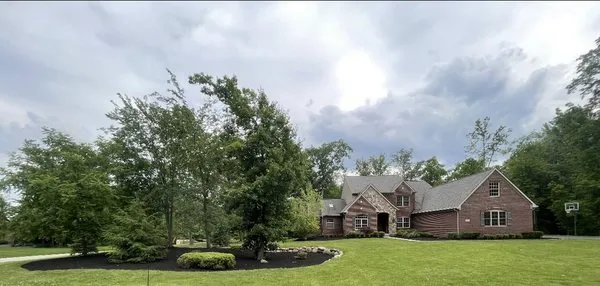
Yard Solutions & Outdoor Services is a full-service landscaping and tree care company serving Flint, MI, and the surrounding communities. We specialize in transforming outdoor spaces through expert la...
Automatic Lawncare is a dedicated lawn service provider in Flint, MI, specializing in comprehensive lawn care solutions tailored to the local environment. We understand the common landscaping challeng...

High Divine Landscaping is a professional outdoor services business based in Flint, MI, dedicated to transforming and maintaining residential, commercial, and community spaces. We combine local knowle...

Winslow's Lawn Care and Landscaping is a trusted, locally-owned service dedicated to keeping Swartz Creek lawns healthy and vibrant. We understand the common local challenges of soil compaction and de...
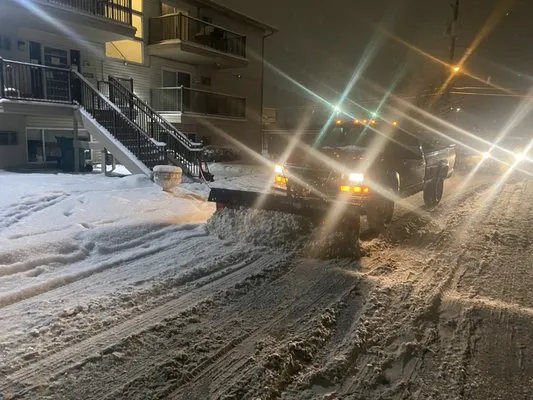
Green Pride Landscaping is your Flint-based partner for a cleaner, more manageable property year-round. We specialize in comprehensive lawn care, landscaping waste disposal, and junk removal services ...
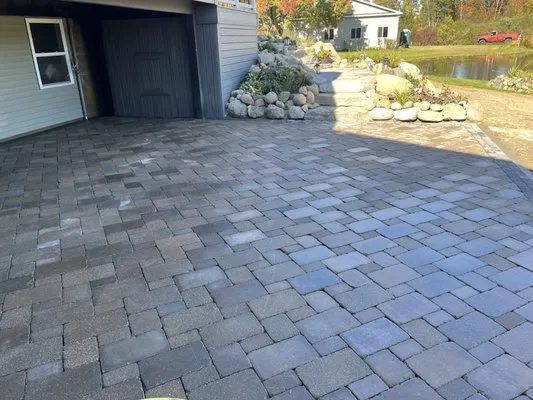
ATM Landscaping is a professional landscaping and hardscaping company serving Genesee County from its Davison base. Since 2020, our team has focused on turning outdoor visions into reality, whether it...
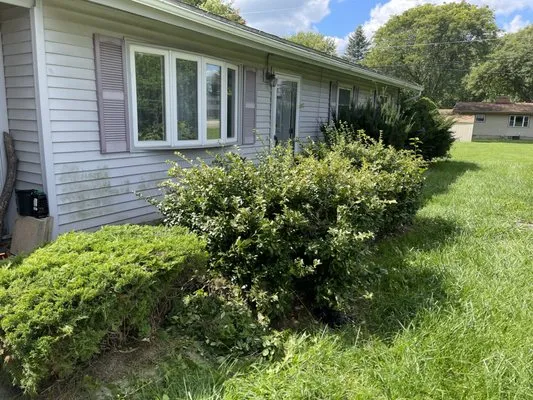
Christopher & Brothers Lawn Service is a dedicated, locally-owned lawn care provider serving homeowners throughout Flint, MI. We specialize in transforming outdoor spaces with a comprehensive suite of...

LawnCareBros is your trusted local lawn and tree service provider in the Village of Clarkston, MI. We specialize in diagnosing and fixing the common landscaping challenges faced by homeowners in our c...
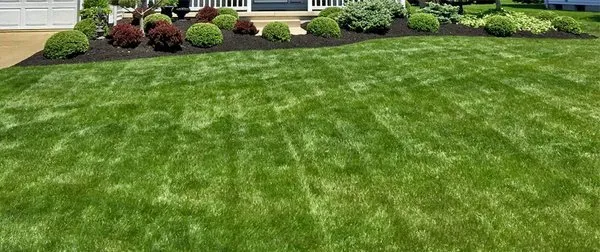
Flaves Lawn Care is a dedicated landscaping company serving the Burton, MI community. Specializing in landscape construction, maintenance, greenscape construction, and comprehensive lawn care, we buil...

Diamond Cuts is a locally owned lawn care company serving Grand Blanc, MI, founded in 2024 by Alex Hinton. As a nearly decade-long resident of the community, Alex brings a personal touch to every job,...
Estimated Landscaping Service Costs in Linden, MI
FAQs
Should we choose concrete pavers or wood for our new patio considering durability and safety?
Concrete pavers with crushed limestone aggregate offer 25+ year lifespan versus wood's 10-15 years with regular maintenance. Their non-combustible nature supports Linden's Low Fire Wise Rating by creating defensible space around structures. Properly installed with geotextile fabric and compacted base, they resist frost heave in Zone 6a. Permeable options reduce heat island effect while providing stable surfaces that won't rot or attract termites.
We need emergency storm cleanup to meet HOA compliance deadlines - what's your response protocol?
Emergency dispatch routes from Eagle's Wooden Park via US-23 achieve 20-30 minute peak response times. Our electric maintenance fleet operates within Linden's 7:00 AM to 9:00 PM noise ordinance window, with battery-powered chippers and blowers for immediate debris removal. We prioritize safety zones first, then address tree hazards and drainage blockages. Documentation for HOA compliance includes timestamped photos and work completion certificates.
What permits and licenses are required for regrading our quarter-acre property in Linden?
Grading exceeding 50 cubic yards requires a Linden City Planning & Zoning Department permit with engineered drainage plans. Contractors must hold Michigan LARA landscaping license (MCL 339.2401) with proof of liability insurance. Soil disturbance near property lines may trigger neighbor notification requirements. For projects affecting stormwater flow, additional Michigan EGLE compliance documentation ensures proper sediment control and long-term erosion management on sloped sites.
Our yard has standing water after heavy rains - what solutions work with Linden's sandy loam soil?
Seasonal high water tables and clay pockets in sandy loam require French drains (6-8 inch depth) with clean gravel backfill. Permeable concrete pavers (infiltration rate 5-10 inches/hour) meet Linden Planning & Zoning Department runoff standards when installed with open-graded base layers. We grade surfaces at 1-2% slope toward drainage swales, incorporating rain gardens with native plants for additional water absorption capacity.
What low-maintenance alternatives exist for reducing lawn care while supporting local ecology?
Replacing 30-50% of turf with Butterfly Milkweed, Wild Bergamot, Little Bluestem, and Black-eyed Susan creates pollinator corridors requiring minimal irrigation. These natives thrive in Zone 6a with only seasonal pruning, eliminating weekly mowing and gas-powered equipment use. This approach anticipates municipal electric equipment mandates while providing year-round visual interest and supporting 2026 biodiversity targets for urban landscapes.
How do we maintain Kentucky Bluegrass/Fine Fescue turf during dry periods without violating water restrictions?
Smart Wi-Fi ET-based controllers adjust irrigation to actual evapotranspiration rates, typically reducing water use 15-25% versus traditional systems. At Stage 0 restrictions, we program 0.75-1.0 inches weekly, split into 3-4 cycles to prevent runoff. Soil moisture sensors override schedules during rainfall events. This preserves turf health while staying well below municipal water allocation limits for 0.25-acre properties.
Our Linden home was built in the 1940s - how does that affect our soil quality today?
With 83 years of soil development since 1943, Downtown Linden lots have mature but compacted profiles. Slightly acidic sandy loam (pH 6.2-6.8) typically develops poor structure over decades, reducing permeability to 0.5-1.5 inches per hour. Core aeration every 2-3 years with compost topdressing (0.25-0.5 inches) introduces organic matter and improves water infiltration. This addresses the historical lack of soil amendments common in post-war construction.
We've spotted invasive garlic mustard - how do we treat it without harming our soil?
Garlic mustard (Alliaria petiolata) requires manual removal before seed set in May, with complete root extraction to prevent regrowth. We avoid chemical treatments that could violate Michigan's Phosphorus Fertilizer Law restrictions. For persistent infestations, targeted vinegar solutions (20% concentration) applied directly to foliage avoid soil contamination. Regular monitoring for Japanese knotweed and autumn olive follows, with native plant restoration to outcompete invaders.
