Top Landscaping Services in Lincoln Park, MI, 48146 | Compare & Call

There are 180 landscaping companies server in Lincoln Park MI
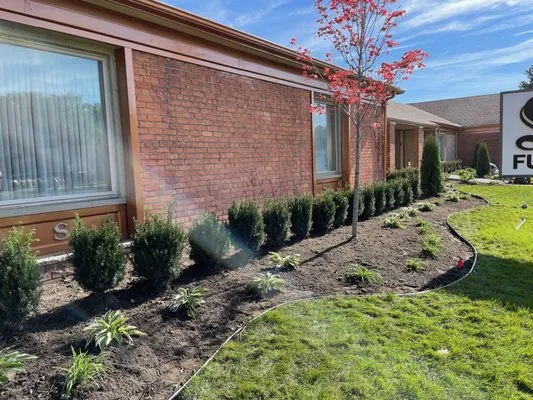
Hernandez Services has been a trusted part of the Detroit community since 2008, providing reliable landscaping and snow removal for both homes and businesses. We understand the specific challenges of ...
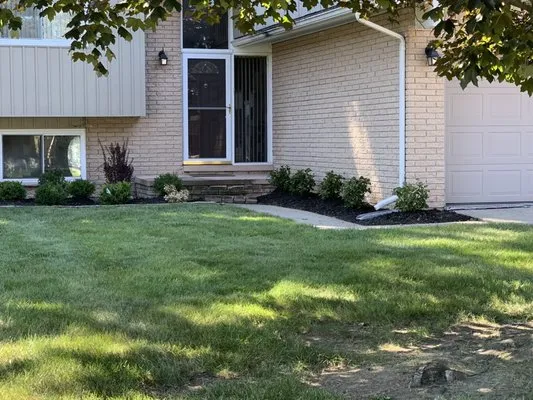
Graham's Landscaping is a trusted Detroit-based company specializing in comprehensive gardening, lawn care, and tree services. We help homeowners and businesses across the city maintain beautiful, hea...
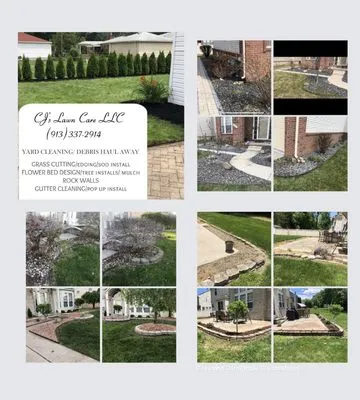
At CJ's Lawn Care in Farmington Hills, we specialize in comprehensive outdoor solutions, from foundational earthmoving to the final decorative touch. Our passion lies in transforming challenging yards...

DLC’s Lawn & Landscape
DLC's Lawn & Landscape is a Southfield-based company founded by owner Dante L. Coakley in 2023. After gaining hands-on experience at other landscaping firms, Dante discovered a genuine passion for car...
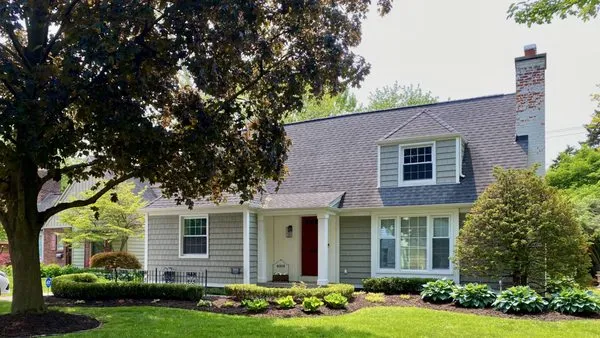
Fresh Looks Landscaping is a family-owned landscaping service in Dearborn, MI, dedicated to transforming outdoor spaces with expert care. We specialize in comprehensive landscape solutions, including ...

Cerralvo Service is a Detroit-based landscaping, masonry, and pressure washing company dedicated to transforming outdoor spaces across the city. We specialize in comprehensive solutions including eart...
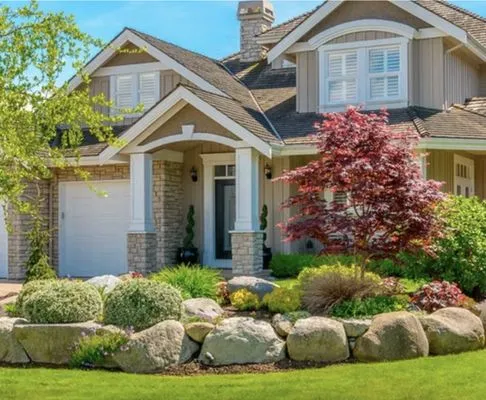
Wilson's Extra Landscaping is a licensed, Detroit-based company dedicated to maintaining and enhancing outdoor spaces year-round. We provide reliable landscaping, snow removal, and pressure washing se...
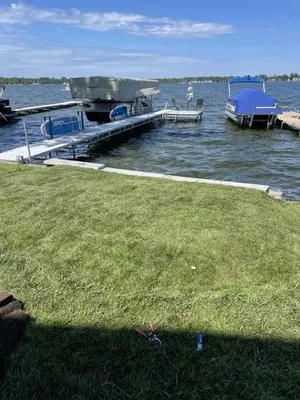
B-B Services is a Livonia-based landscaping and handyman company dedicated to providing reliable, professional services for homeowners in our community. We specialize in comprehensive outdoor solution...
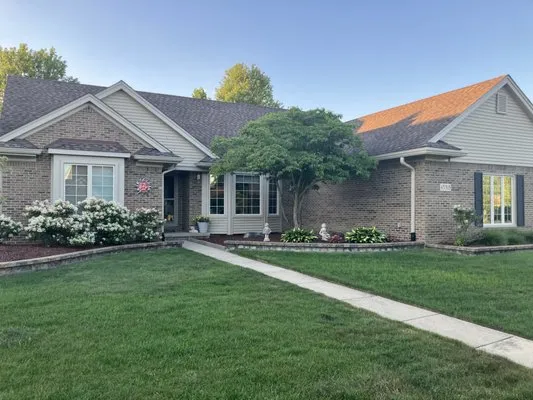
Forward Action Solutions is a Detroit-based, locally owned landscaping and snow removal company dedicated to reliable year-round property maintenance. Founded by owner Octavio Saucedo, we focus on pra...
Shawn's Botany and Landscaping is a Detroit-based, full-service provider dedicated to enhancing both the beauty and functionality of your home. We offer a unique combination of expert landscaping, har...
Estimated Landscaping Service Costs in Lincoln Park, MI
Common Questions
How quickly can a crew arrive for an urgent storm-damage cleanup or HOA violation notice?
For emergency response, we dispatch from a central staging area near Council Point Park. Utilizing I-75, our electric fleet can typically navigate to the Lincoln Park Historic District within the 20-30 minute window during peak conditions, ensuring rapid debris removal and compliance restoration while adhering to daytime noise ordinances.
Why does our soil seem so dense and difficult to work with here in the Lincoln Park Historic District?
Homes averaging 71 years of age, like yours, have experienced decades of soil compaction from construction and maintenance. The predominant clay loam naturally compacts over time, reducing pore space for air, water, and roots. This mature soil profile requires deliberate remediation, specifically annual core aeration and the incorporation of compost, to improve permeability and support healthy plant systems.
Is there a lower-maintenance, eco-friendly alternative to our traditional lawn?
Transitioning sections of high-input turf to a native plant community is a forward-thinking strategy. Species like Purple Coneflower, Little Bluestem, and Wild Bergamot are adapted to Michigan's Zone 6b climate and clay loam, requiring no fertilization, minimal watering once established, and no weekly mowing. This shift reduces reliance on gas-powered equipment, aligning with evolving noise and emission regulations.
What invasive species should we watch for, and how do we manage them responsibly?
Common invasive alerts for this area include Garlic Mustard and Japanese Knotweed. Manual removal for small infestations is most effective. For larger issues, targeted, professional-grade herbicide applications must be carefully timed and applied directly to the foliage, strictly avoiding impervious surfaces to comply with Michigan's statewide phosphorus restrictions. Never apply fertilizers or herbicides to driveway or pavement cracks.
Why is proper licensing so important for grading and drainage work on our typical 0.14-acre lot?
Altering the grade of your property affects stormwater flow to neighboring lots and public infrastructure. The Lincoln Park Building & Engineering Department requires permits for such work to ensure it complies with city codes. A contractor licensed by the Michigan Department of Licensing and Regulatory Affairs (LARA) carries the required insurance and demonstrates competency in these regulations, protecting you from liability and substandard work that could cause flooding or erosion.
Are concrete pavers a better long-term choice than wood for patios and walkways here?
Yes. Concrete pavers offer superior longevity and stability in Michigan's freeze-thaw cycles compared to wood, which decays. Their modular installation allows for excellent permeability when set on a gravel base, aiding drainage. In a low Fire Wise rating urban setting like Lincoln Park, non-combustible hardscape materials also provide inherent defensible space, though the primary risk here is from embers during regional wildfire events.
We get seasonal ponding in our yard. What's a long-term solution that also looks good?
Seasonal ponding is a direct result of the high clay content in our local soil, which has slow percolation. A functional solution integrates subsurface French drains with surface grading toward a dry creek bed or rain garden. Using permeable materials like crushed limestone for paths allows infiltration, helping your project meet the Lincoln Park Building & Engineering Department's standards for managing stormwater runoff on-site.
How do we keep our Kentucky Bluegrass and Tall Fescue lawn healthy under local watering rules?
Smart Wi-Fi ET-based irrigation systems are calibrated to Lincoln Park's Stage 1 water restrictions. These controllers use real-time evapotranspiration data from local weather stations to apply only the precise water volume the turfgrass requires, preventing overwatering. This technology sustains the grass blend efficiently, conserving municipal water by eliminating scheduled watering during or after rainfall.
