Top Landscaping Services in Leonidas Township, MI, 48401 | Compare & Call

There are 114 landscaping companies server in Leonidas Township MI

Great Lakes Pondscapes in Paw Paw, MI, is a family of pond and garden enthusiasts dedicated to bringing the beauty of water features to our local community. Since 2006, we've grown from an Aquascape d...
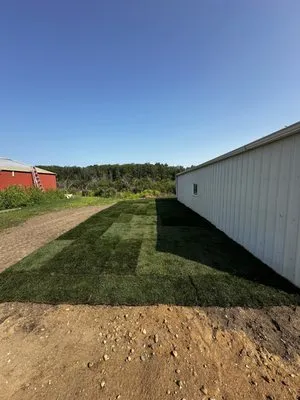
Rooted Sod is a trusted, family-founded landscaping company serving Battle Creek, MI, with over a decade of experience. We specialize in transforming lawns with quality sod installation and providing ...
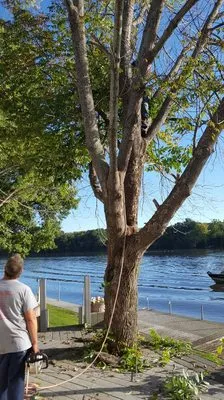
Burson Services is a trusted, full-service provider for homeowners in Gobles, MI, addressing common local landscaping challenges. We specialize in resolving issues like poor lawn grading that leads to...
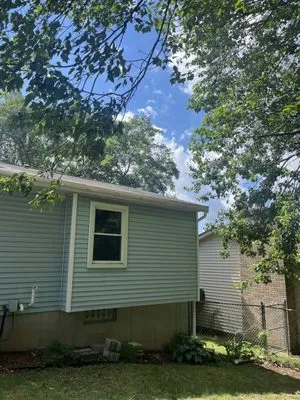
South Michigan Tree Services is your trusted local expert for tree and lawn care in Bloomingdale, MI. We provide comprehensive services including tree planting, pruning, removal, and stump grinding, a...
Legacy Home Company is a trusted Kalamazoo business serving local homeowners with a full suite of property care services. We specialize in fences & gates, lawn services, and handyman solutions, unders...
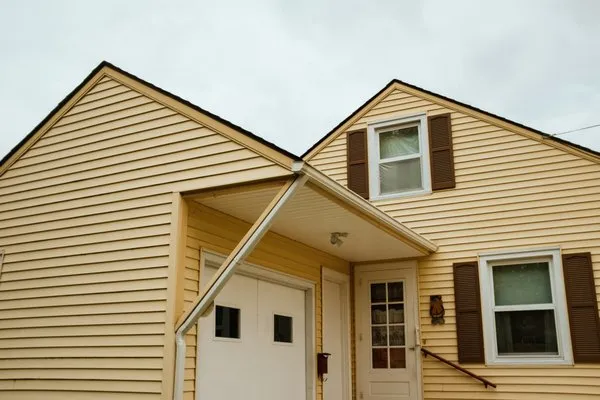
Mountain Side is a Grand Rapids-based general contractor specializing in landscaping, fencing, and outdoor construction. Serving the West Michigan community, we help homeowners tackle common local iss...
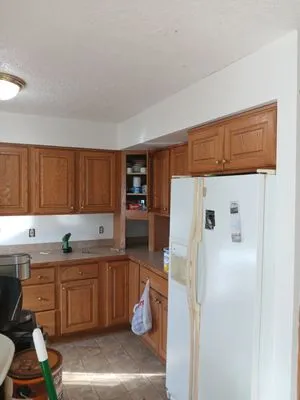
D&A is a locally owned and operated home services company in Napoleon, MI, built on family values and a commitment to the community. Founded by owners who left corporate life to build a legacy for the...
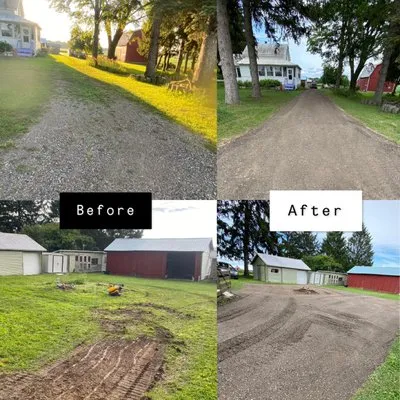
Based in Charlotte, MI, Koeppen Specialty Driveways is a locally owned and operated contractor specializing in transforming outdoor spaces through durable hardscaping and foundational site work. Our e...

JNH Land Services is a trusted, full-service landscaping and snow removal company serving Eaton Rapids, MI. We specialize in comprehensive property care, from routine lawn maintenance and shrub manage...
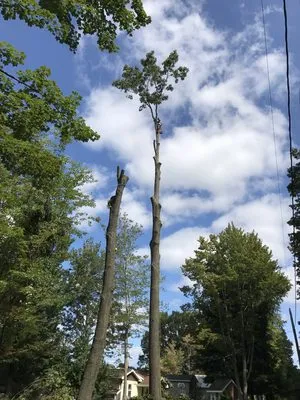
Nature's Choice Tree Management
Nature's Choice Tree Management in Mount Pleasant, MI, brings two decades of hands-on tree care and landscape expertise directly to your property. Owner-operated since 1997, we started by helping our ...
Estimated Landscaping Service Costs in Leonidas Township, MI
Q&A
We've spotted invasive garlic mustard spreading near our property line. How do we treat it without harming nearby plants?
Garlic mustard requires manual removal before seed set in early May, as chemical treatments risk violating Michigan Fertilizer Application Act restrictions near water features. Hand-pulling with root extraction during moist soil conditions prevents regrowth. For persistent infestations, targeted spot treatments using glyphosate formulations with less than 2% active ingredient can be applied outside of blackout dates, always maintaining a 25-foot buffer from any water bodies.
We need emergency storm debris cleanup to meet HOA compliance deadlines. How quickly can your team respond?
Our electric maintenance fleet operates within standard quiet hours and can dispatch from Leonidas Township Hall within 30 minutes. Traveling via M-66 allows access to Leonidas Village Center properties during peak response windows. We typically complete initial assessments and debris removal within 45-60 minutes of dispatch, prioritizing safety hazards and regulatory compliance items first.
We're considering expanding our patio. How do concrete pavers compare to wood for longevity in our climate?
Concrete pavers offer 30+ year lifespans in Zone 5b freeze-thaw cycles, compared to 10-15 years for pressure-treated wood. Their interlocking design accommodates ground movement without cracking, and crushed limestone bases provide superior drainage. For fire-wise considerations in low-risk residential zones, non-combustible hardscapes create defensible space while meeting standard compliance requirements without additional vegetation management.
How do we maintain our Kentucky Bluegrass and Fine Fescue blend during dry spells without violating water guidelines?
Smart Wi-Fi soil moisture sensor controllers optimize irrigation by measuring actual soil conditions rather than operating on fixed schedules. These systems apply water only when ET rates exceed 0.25 inches per day, typically during July-August peak periods. This approach maintains turf health while staying within voluntary conservation parameters, often reducing municipal water use by 30-40% compared to traditional timer-based systems.
Our yard has standing water after heavy rains due to the seasonal high water table. What solutions work with our soil type?
Sandy loam soils in Leonidas Township exhibit poor infiltration rates of 0.5-1.5 inches per hour, exacerbating seasonal water table issues. Installing French drains with clean gravel and geotextile fabric redirects subsurface water away from foundations. Permeable concrete pavers or crushed limestone hardscapes meet St. Joseph County Building Department runoff standards by allowing 80-90% of rainfall to infiltrate rather than becoming surface flow.
We want to reduce maintenance while supporting pollinators. What native plants thrive here with minimal care?
Transitioning high-maintenance turf areas to native plantings creates resilient landscapes requiring 75% less water and no weekly mowing. Butterfly Milkweed, Wild Bergamot, and Little Bluestem establish deep root systems that access subsurface moisture in Zone 5b conditions. Purple Coneflower and New England Aster provide sequential blooming from June through October, supporting biodiversity while eliminating gas-powered equipment use during restricted hours.
We want to regrade part of our 0.55-acre lot to improve drainage. What permits and professional requirements apply?
Grading projects altering more than 100 cubic yards of soil require St. Joseph County Building Department review for erosion control and drainage patterns. Michigan LARA mandates licensed landscape architects or professional engineers oversee significant earthwork on properties exceeding 0.5 acres. Contractors must carry specific grading certifications and liability insurance, as improper slope modification can create downstream runoff issues violating municipal stormwater regulations.
Our Leonidas Village Center yard seems compacted after decades of growth. What's happening beneath our 1981-built home's surface?
Soil maturity in Leonidas Township lots averages 45 years since construction. Sandy loam soils in this neighborhood naturally compact over time, reducing permeability and oxygen availability to roots. Core aeration every 2-3 years addresses this by creating channels for water infiltration and gas exchange. Adding 0.5 inches of compost annually builds organic matter, improving the soil's water-holding capacity in your pH 6.2-6.8 range.
