Top Landscaping Services in Leland Township, MI, 49654 | Compare & Call
There are 80 landscaping companies server in Leland Township MI

Crouch's Outdoor Services
Crouch's Outdoor Services is a Traverse City family-owned business, founded in 2015 by an owner with over 15 years of hands-on experience in the field. We specialize in creating and maintaining beauti...
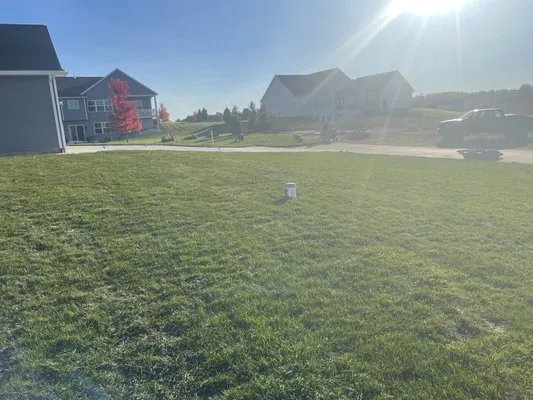
AI & L is your dedicated partner for landscaping and irrigation in Kalkaska, MI. We understand the unique challenges faced by local homeowners, from rock gardens shifting over time to frustrating irri...
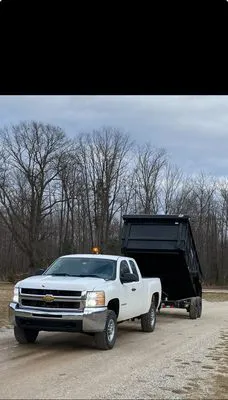
Crown Tree Works LLC is a Lake Ann-based tree and property care service owned and operated by Collin Ostrowski. We focus on the essential outdoor tasks that keep your property healthy, safe, and looki...
For over 14 years, The Lawn Amigo has been a trusted, locally-owned lawn care and landscaping provider serving Kingsley and the greater Traverse City area. It all started when a passion for working ou...
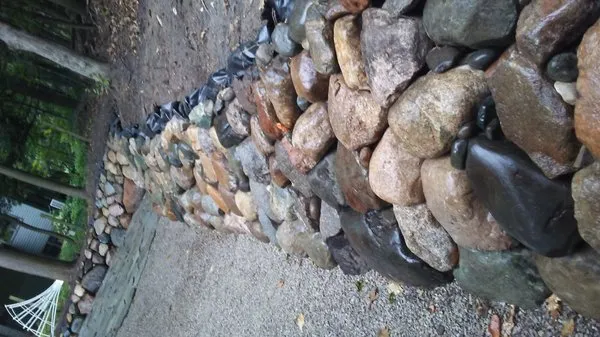
W&K Landscaping is a Kalkaska-based landscaping company founded and operated by Westley, a dedicated landscape designer with over five years of experience. We specialize in transforming outdoor spaces...
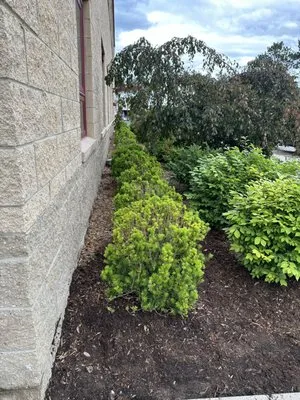
Rams Property Maintenance is a trusted lawn care provider based in Fife Lake, MI, dedicated to enhancing local property health and curb appeal. We specialize in comprehensive lawn care services tailor...
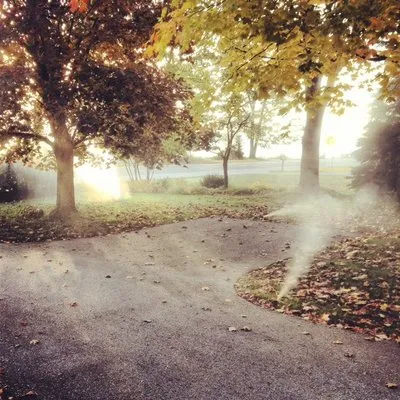
Spinniken Lawn & Irrigation
Spinniken Lawn & Irrigation has been a trusted presence in the Leelanau County landscape since 2002. Founded by owner Matt with a single push mower, our growth has been rooted in hands-on experience a...
All Your Needs TC Handyman Services is your trusted, local partner for landscaping, handyman, and painting projects in Traverse City, MI. We specialize in comprehensive solutions that address common l...
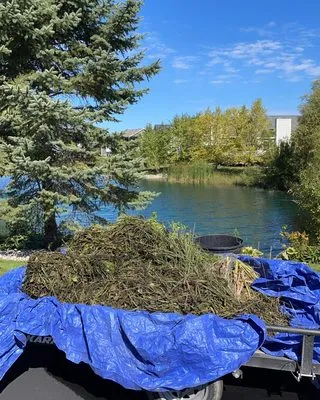
Traverse Area Lawn Care is a dedicated lawn service provider serving Traverse City, MI, and the surrounding areas. We specialize in comprehensive lawn care solutions designed to address common local l...
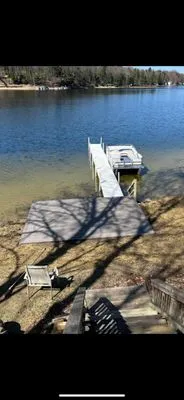
Rcm Landscape , Construction
RCM Landscape & Construction is a full-service contractor serving Tustin and the surrounding areas. We provide expert solutions for both residential and commercial properties, specializing in landscap...
Estimated Landscaping Service Costs in Leland Township, MI
Questions and Answers
How do I manage invasive species without chemical runoff concerns?
Early detection of invasive species like garlic mustard or spotted knapweed allows mechanical removal before seed set. Targeted spot treatments using phosphorus-free herbicides comply with Michigan's Natural Resources and Environmental Protection Act requirements. Application timing avoids blackout dates near water bodies, while mycorrhizae inoculants help native plants outcompete invaders. Soil testing guides amendments that strengthen desirable vegetation without violating fertilizer ordinances.
What permits and licenses are needed for landscape grading on my 0.45-acre lot?
Grading projects exceeding 100 cubic yards of earth movement require Leelanau County Construction Code Authority permits to prevent erosion and drainage issues. Michigan Department of Licensing and Regulatory Affairs (LARA) mandates licensed professionals for work affecting property drainage patterns or involving engineered systems. On 0.45-acre lots, even modest grading can impact watershed health, necessitating certified contractors who understand local soil permeability and runoff calculations.
How quickly can you respond to storm damage for HOA compliance?
Emergency cleanup dispatch originates from Fishtown, traveling via M-22 to reach Leland Historic District properties within 20-30 minutes during peak conditions. Our electric maintenance fleet operates within standard daytime hours (8:00 AM-8:00 PM) to comply with noise ordinances while providing rapid response. This routing ensures fallen branches and debris are cleared promptly to maintain neighborhood safety standards.
What solutions prevent water pooling in my sandy loam yard?
High permeability in sandy loam soils causes rapid leaching, requiring engineered drainage solutions. Permeable concrete pavers and local fieldstone installations create infiltration basins that meet Leelanau County Construction Code Authority runoff standards. These materials allow 3-5 inches per hour of water penetration, reducing surface flow while recharging groundwater. Strategic placement directs water away from foundations without creating erosion channels.
Why does my lawn struggle despite regular care in Leland's Historic District?
Properties in Leland Township built around 1983 have 43-year-old soil profiles. Sandy loam soil with pH 6.2-6.8, common in this neighborhood, becomes compacted over decades, reducing oxygen availability to roots. Core aeration every 2-3 years is essential to improve water infiltration and organic matter incorporation. Adding composted organic amendments enhances cation exchange capacity, addressing the rapid nutrient leaching characteristic of sandy soils.
Which materials work best for durable patios in our climate?
Local fieldstone and permeable concrete pavers outperform wood in longevity, with 30+ year lifespans versus wood's 10-15 years in Michigan's freeze-thaw cycles. These materials maintain structural integrity while supporting Moderate Fire Wise Rating (WUI Zone 2) requirements through non-combustible surfaces. Their thermal mass moderates temperature extremes, and proper installation with gravel bases prevents heaving in USDA Zone 5b conditions.
How do I maintain Kentucky Bluegrass and Fine Fescue during dry periods without violating water guidelines?
Smart Wi-Fi soil moisture sensors provide ET-based irrigation scheduling that prevents overwatering in Leland Township's voluntary conservation environment. These systems apply water only when soil moisture drops below optimal levels for turfgrass health, typically 1-1.5 inches weekly during peak evapotranspiration. This technology reduces municipal water consumption by 30-40% while maintaining turf density and color through Michigan's growing season.
What alternatives reduce maintenance while supporting local ecology?
Transitioning high-maintenance turf to native plantings like Common Milkweed, Wild Bergamot, and Little Bluestem reduces mowing frequency and supports 2026 biodiversity standards. Serviceberry and Northern Red Oak provide structure while requiring minimal irrigation once established. This approach aligns with evolving noise ordinances that restrict gas-powered equipment, as native landscapes need only seasonal attention with electric tools.
