Top Landscaping Services in Lee Township, MI, 48615 | Compare & Call
There are 117 landscaping companies server in Lee Township MI
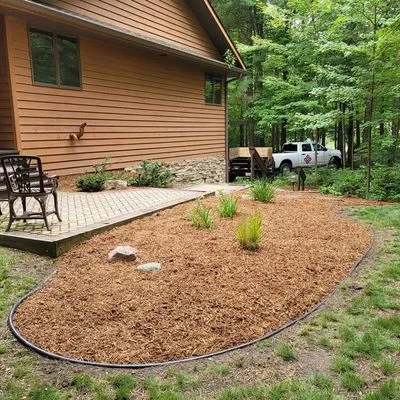
Tri-City Property Maintenance
Tri-City Property Maintenance is a family-owned and operated business serving Midland, Michigan, and the surrounding Tri-Cities area for over two decades. Built on a foundation of reliability and loca...
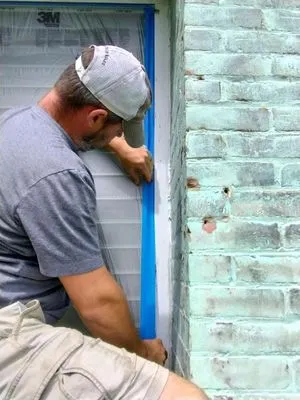
Evon Services is a locally-owned and operated business in Hemlock, MI, founded by a U.S. Veteran and experienced Millwright with over 20 years of expertise in maintenance and repairs. Specializing in ...
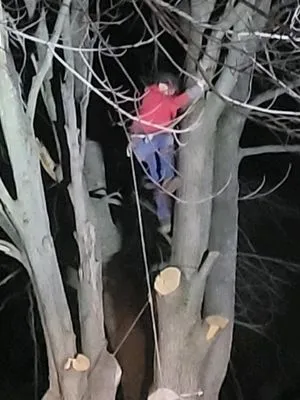
HERO LAND MANAGEMENT is a full-service landscaping and tree care company serving Gladwin, MI, and the surrounding communities. We specialize in transforming outdoor spaces with services ranging from l...
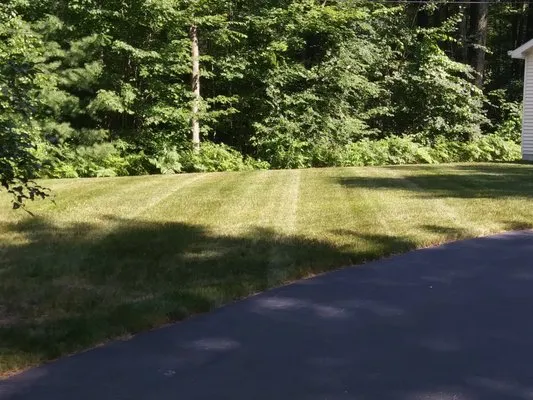
Saving Grace Lawn Care is a locally-owned and operated lawn service founded in Midland by Wayne Coffman. Since 2017, the company has built a reputation for reliable weekly mowing, fertilization, shrub...
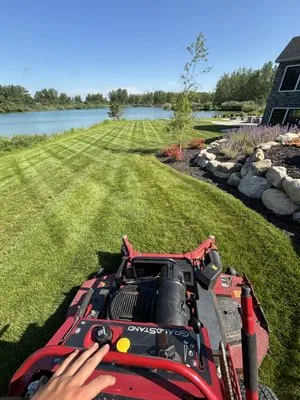
Berger Lawn Care is a trusted lawn service provider in Midland, MI, specializing in comprehensive lawn care to keep your property healthy and vibrant. We understand that local homeowners often face is...
Bean Power Washing, based in Big Rapids, MI, is your local expert for lawn care and pressure washing solutions. We understand the unique challenges Big Rapids homeowners face, such as patchy lawn gras...
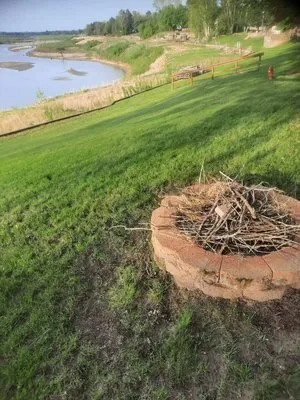
Todd Lawn Maintenance is a trusted local provider dedicated to keeping Sanford, MI lawns looking their best. We offer professional lawn care and mowing services that are both reliable and affordable f...

Mantis Lawncare is a dedicated, disabled-owned and operated lawn care and pressure washing service based right here in Deford, MI. What truly sets us apart is our personal commitment to our community....
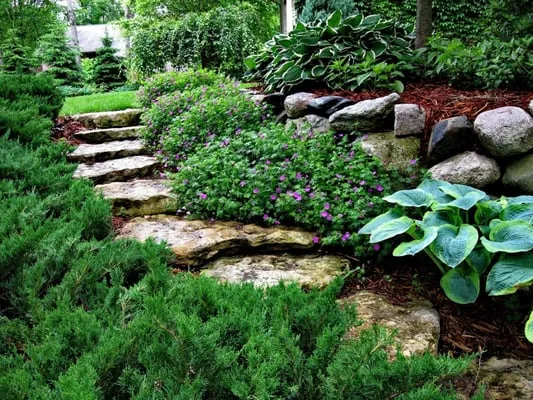
Reder Landscaping is a family-owned Midland business with over 50 years of dedicated service to the community. We specialize in comprehensive landscaping solutions for both residential and commercial ...

Maple Hill Nursery
Founded in 1977 by Leonard and Sarah Jane Servinski on a historic Midland farm, Maple Hill Nursery is a family-owned business built on deep local roots. The nursery's name was inspired by a beautiful ...
Estimated Landscaping Service Costs in Lee Township, MI
FAQs
What solutions address seasonal saturation in my sandy loam yard?
High water tables in Lee Township's sandy loam require graded swales and French drains to redirect surface water. Permeable concrete pavers or crushed limestone aggregate installations meet Allegan County Building Department runoff standards by allowing infiltration rather than diversion. These systems work with the soil's natural percolation rate while preventing foundation issues. Proper grading maintains the landscape's function during spring thaw and heavy rainfall periods.
Should I replace high-maintenance turf with native plants?
Transitioning turf areas to Butterfly Milkweed, Wild Bergamot, Little Bluestem, and Black-eyed Susan reduces mowing frequency and supports 2026 biodiversity standards. These natives require minimal irrigation once established and provide habitat for pollinators. This approach anticipates potential gas-blower restrictions while creating a resilient landscape. Native plantings also improve soil health through deeper root systems that withstand seasonal saturation.
How quickly can you respond to an emergency tree cleanup after a storm in Lee Township?
Emergency storm response from Lee Township Hall via M-40 typically requires 45-60 minutes during peak conditions. Our electric maintenance fleet operates within standard noise limits while providing immediate debris removal. This routing prioritizes accessibility to Lee Township Center properties while accounting for post-storm traffic patterns. We coordinate with local authorities to clear hazards while documenting damage for insurance purposes.
Can I maintain healthy turf while conserving water under current restrictions?
Stage 0 water restrictions allow irrigation but recommend efficiency measures. Smart Wi-Fi soil moisture sensors prevent overwatering by tracking actual ET rates and soil conditions. These controllers adjust schedules for Kentucky Bluegrass and Fine Fescue mixes based on real-time data, typically reducing water use 30-40% compared to timer-based systems. This preserves turf health while staying well within municipal water allocation guidelines for 2.5-acre properties.
What permits and licenses are required for grading work on my 2.5-acre property?
Grading projects exceeding 100 cubic yards require Allegan County Building Department permits to ensure proper erosion control and drainage. Contractors must hold Michigan LARA landscaping licenses for earth moving operations of this scale. Professional licensing verifies competency in soil management and compliance with local ordinances. These requirements protect against improper grading that could exacerbate seasonal saturation or violate waterway protections.
How do I control invasive species without violating fertilizer regulations?
Japanese knotweed and garlic mustard pose significant threats in Lee Township's rural-wildland interface. Manual removal before seed set combined with targeted herbicide applications avoids the statewide phosphorus ban near waterways. Treatment timing considers the fertilizer ordinance's blackout dates while prioritizing early-season intervention. Proper disposal prevents reinfestation and protects native plant communities from displacement.
Are concrete pavers better than wood for patio construction in fire-prone areas?
Concrete pavers provide superior fire resistance compared to wood, supporting moderate Fire Wise ratings in rural-wildland interfaces. Their non-combustible nature creates defensible space while offering longevity with minimal maintenance. Crushed limestone aggregate complements this approach with natural drainage properties. These materials withstand freeze-thaw cycles in USDA Zone 5b while maintaining structural integrity for decades.
Why does my Lee Township Center lawn struggle with compaction and poor drainage despite regular care?
Properties in Lee Township Center built around 1981 have 45-year-old soil profiles that have matured with minimal organic input. The sandy loam soil (pH 6.2-6.8) common here loses structure over decades, reducing permeability and increasing seasonal saturation. Core aeration combined with compost amendments rebuilds soil aggregates, improving water infiltration while maintaining the pH balance optimal for turf and native plants. This addresses the high water table conditions while supporting deeper root systems.
