Top Landscaping Services in Larkin, MI, 48642 | Compare & Call
There are 114 landscaping companies server in Larkin MI
Earth Works is a locally owned and operated business in Bay City, MI, specializing in irrigation, landscaping, and junk removal services. Founded by Tyler, the company focuses on providing honest, per...
Bay Region Property Solutions is a trusted home improvement contractor based in Freeland, MI, serving the local community and surrounding areas like Midland Charter Township, Saginaw Charter Township,...
Village Green is a family-owned landscaping and tree service company that has been proudly serving Bay City and Mid-Michigan since 1978. With over 40 years of experience, we specialize in comprehensiv...
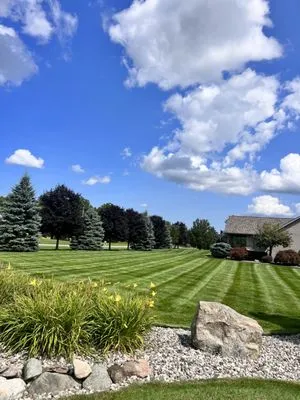
I-Gotcha Lawn Care provides essential lawn, tree, and pressure washing services for Pinconning homeowners. We understand the common local challenges, like persistent weeds invading mulch beds and the ...
Forever Green Lawn & Landscape is a trusted local landscaping company serving Freeland, MI, and surrounding areas. We specialize in comprehensive lawn care and landscape solutions tailored to the uniq...
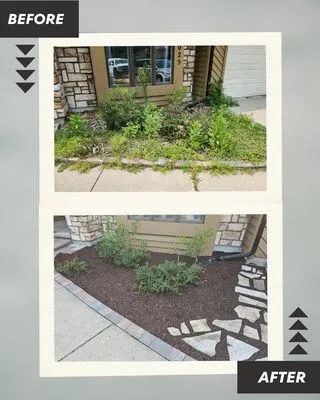
Three Oaks in Freeland, MI, is your trusted local partner for landscaping, handyman, and tree care needs. We understand the common local challenges of bare lawn patches and soil compaction, which can ...
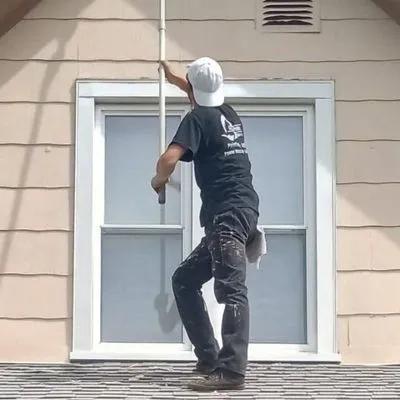
Classic Painting in Saginaw, MI is a locally owned and operated business with deep roots in the community. Founded on family tradition, the owner learned the trade from his father, who had over 30 yea...
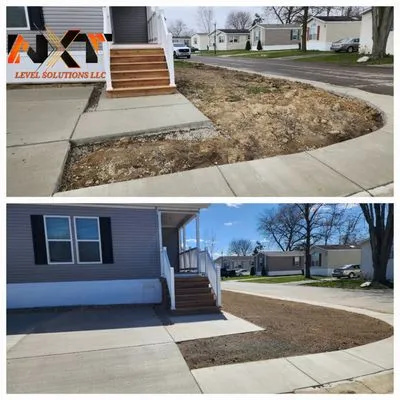
NXT Level Solutions is a Clio-based contractor specializing in demolition, landscaping, and excavation services to transform outdoor spaces in the local community. We help homeowners and businesses ad...
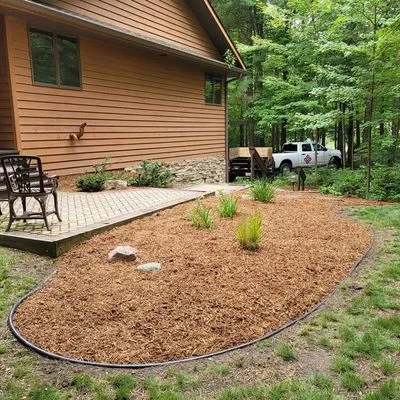
Tri-City Property Maintenance
Tri-City Property Maintenance is a family-owned and operated business serving Midland, Michigan, and the surrounding Tri-Cities area for over two decades. Built on a foundation of reliability and loca...

Southern Bred Lawn Care & Snow Removal
Southern Bred Lawn Care & Snow Removal is your trusted, locally-owned partner for year-round property care in Freeland, MI. We specialize in professional tree services and comprehensive landscape main...
Estimated Landscaping Service Costs in Larkin, MI
Questions and Answers
How fast can you respond for an urgent HOA compliance or storm cleanup?
For emergency HOA compliance or post-storm cleanups, our dispatch from the Larkin Township Hall area via US-10 allows a 25-35 minute arrival during peak hours. This route is prioritized for electric equipment fleets, which comply with the local 8:00 AM to 8:00 PM noise ordinance for immediate work. We coordinate directly with property managers to address downed limbs, debris, and turf damage to meet neighborhood standards swiftly.
What permits and licenses are needed for major landscaping work on my 0.35-acre lot?
Significant grading, drainage alterations, or structural installations on a 0.35-acre lot typically require a permit from the Midland County Building Department. The contractor must hold appropriate licensing through the Michigan Department of Licensing and Regulatory Affairs (LARA). This ensures compliance with state environmental regulations, including the NREPA fertilizer law, and guarantees that work meets engineering standards for soil stability and water management.
My yard has persistent soggy areas. What's the cause and solution?
Seasonal high water tables and poor infiltration in clay pockets are common in Larkin's sandy loam soil profile. This creates surface pooling and root zone saturation. Solutions include installing French drains or dry wells to redirect water and regrading to improve surface flow. Using permeable crushed limestone for pathways instead of solid concrete can also increase ground absorption, often a requirement for meeting Midland County Building Department stormwater runoff standards.
Why does my Larkin yard have such compacted, thin soil?
Properties in the Larkin Historic District built around 1995 often feature soil that is 31 years old. This timeframe typically results in a slightly acidic sandy loam layer overlying construction-compacted subsoil and clay pockets, limiting root penetration and water infiltration. The original topsoil was often stripped or shallow, leading to poor organic matter content. Core aeration and incorporating compost are critical to rebuild soil structure and support healthy turf and native plantings.
Are concrete pavers or wooden decks better for longevity here?
Concrete pavers and crushed limestone offer superior longevity in Michigan's freeze-thaw cycles compared to wood, which requires constant sealing and is susceptible to rot. These materials also contribute to a defensible space, aligning with the area's low Fire Wise Urban Interface rating by being non-combustible. Properly installed with a permeable base, they manage runoff effectively and maintain integrity for decades with minimal upkeep.
With Stage 1 water restrictions, how do I keep my lawn green?
Stage 1 voluntary conservation in Larkin requires efficient water use. Smart Wi-Fi soil-moisture sensing controllers are calibrated to the evapotranspiration (ET) rate for Zone 5b, delivering water only when the Kentucky Bluegrass and Fine Fescue mix root zone needs it. This technology prevents overwatering, aligns with municipal limits, and promotes deeper root growth. Properly managed, this system maintains turf health while reducing potable water consumption by 20-40%.
Is there a lower-maintenance alternative to my weekly-mowed lawn?
Replacing high-input turf with a native plant community of Purple Coneflower, Butterfly Milkweed, Little Bluestem, Wild Bergamot, and Black-eyed Susan drastically reduces maintenance. These species are adapted to local soils and climate, requiring no irrigation once established and minimal seasonal care. This transition also supports 2026 biodiversity goals and reduces reliance on gas-powered equipment, aligning with evolving noise ordinances targeting blowers and mowers.
What invasive species should I watch for, and how are they treated?
Common invasive alerts for this area include Garlic Mustard and Spotted Knapweed, which outcompete native flora. Manual removal before seed set is most effective. For persistent issues, targeted herbicide applications by a licensed professional must follow the Michigan NREPA, which prohibits phosphorus on established turf and dictates specific application windows. Always use integrated pest management strategies that prioritize soil and pollinator health.
