Top Landscaping Services in Lansing, MI, 48823 | Compare & Call
There are 197 landscaping companies server in Lansing MI
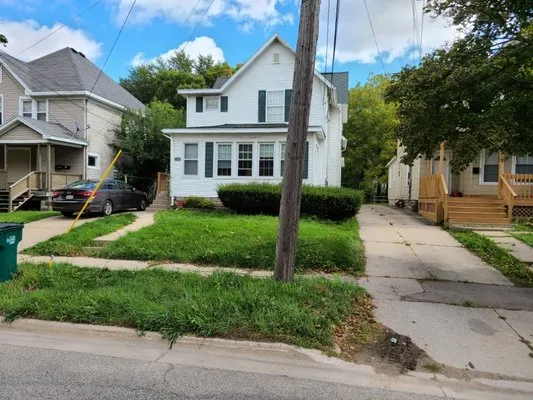
Jjr Lawn Care is a trusted, locally-owned lawn service and snow removal company serving Lansing, MI. We provide reliable, year-round property care to keep your home looking its best. Our team understa...
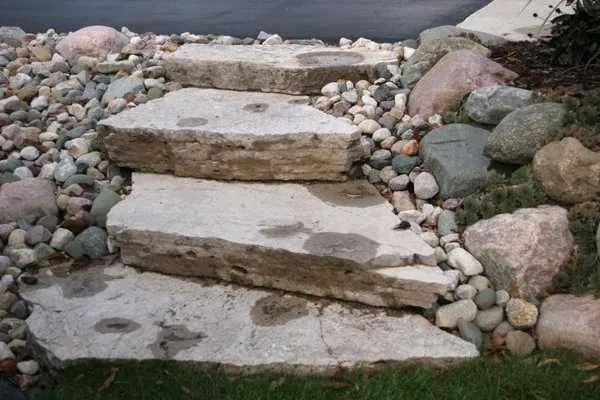
All Terra Landscape Services
All Terra Landscape Services LLC is a Lansing-based landscape company founded by an owner with 20 years of experience working for another major local firm. Specializing in professional landscape desig...
Timber Landscaping And Maintenance is a veteran-owned company serving the East Lansing community with over 40 years of hands-on experience. We provide a comprehensive suite of services tailored to bot...
Established in 2015, Dewitt Tree Care is a licensed and insured provider dedicated to the health and beauty of landscapes in the DeWitt, MI area. The company is built on a foundation of expertise, wit...
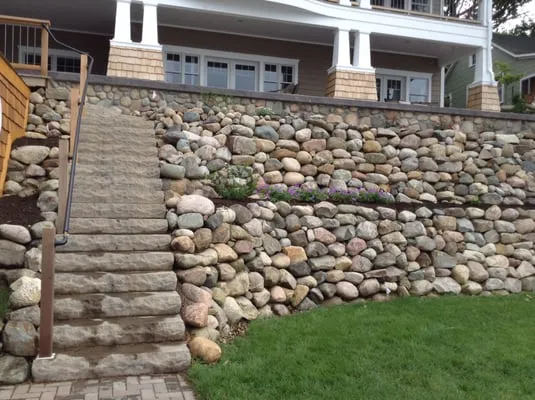
Interlock Landscaping is a Jackson, MI-based company specializing in landscaping and masonry solutions for homeowners. We understand the unique challenges of local properties, such as overgrown shrubs...

Viking Cuts Lawn Care is a new family-owned business in Holt, MI, dedicated to providing reliable lawn care and snow removal services. We use eco-friendly, electric-powered equipment to minimize envir...
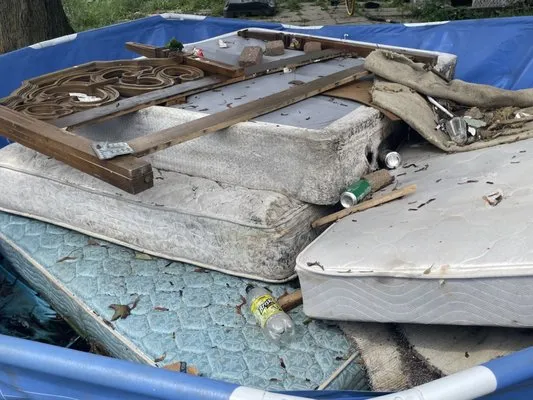
Fred and Sons Hauling is a Lansing-based family business providing comprehensive junk removal and property maintenance services. We specialize in appliance, furniture, and mattress disposal, along wit...
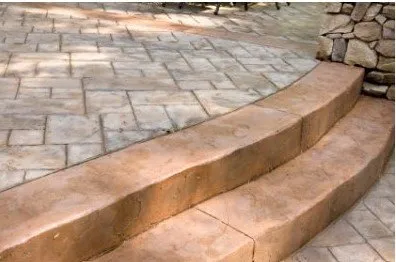
Cornerstone Concrete & Contrng
At Cornerstone Concrete & Contracting in Grand Ledge, MI, we provide Lansing-area homeowners and businesses with reliable, hands-on expertise for their landscaping and concrete needs. With over 30 yea...
Dugan Lawn & Landscape is a trusted, locally-owned business serving Bath, MI homeowners with comprehensive outdoor solutions. Specializing in snow removal, landscaping, and masonry/concrete work, we u...
Master Tree Removal is your trusted, locally-owned tree and lawn care expert serving the Lansing, MI community. We provide comprehensive services to protect and enhance your property's landscape, from...
Estimated Landscaping Service Costs in Lansing, MI
Frequently Asked Questions
Can I reduce maintenance while supporting local pollinators in my landscape?
Transitioning high-maintenance turf to Michigan native plant communities significantly reduces maintenance requirements. Purple Coneflower, Wild Bergamot, Butterfly Milkweed, and Little Bluestem establish deep root systems exceeding 8 feet, eliminating weekly mowing and reducing irrigation needs by 75%. This approach aligns with Lansing's transition toward electric maintenance equipment by minimizing gas-powered blower use for leaf management. Native plantings also increase biodiversity, supporting 3-5 times more pollinator species than traditional turfgrass.
How do I maintain Kentucky Bluegrass during dry periods without violating water restrictions?
Wi-Fi ET-based weather sensing irrigation systems automatically adjust watering schedules using real-time evapotranspiration data from Michigan State University's Enviroweather network. These systems reduce water usage by 25-40% compared to traditional timers while preserving turf health. During Stage 0 restrictions in Lansing, ET-based systems maintain Kentucky Bluegrass and Fine Fescue with 1-1.5 inches weekly, distributed across multiple short cycles to prevent runoff. This technology ensures compliance with municipal water conservation guidelines while optimizing turf performance.
What solutions address seasonal water pooling in my Lansing yard?
High seasonal water tables in Lansing's loamy glacial till require integrated drainage solutions. Permeable concrete pavers installed with 6-8 inches of open-graded aggregate base provide 80-90% permeability, meeting Lansing Planning & Neighborhood Development runoff standards. French drains should be positioned 18-24 inches deep with clean washed stone surrounding perforated pipe. These systems work synergistically with soil amendments to improve infiltration rates from the current poor 0.2 inches per hour to target rates of 1.5 inches per hour.
What permits and licenses are required for grading my 0.15-acre Lansing property?
Grading work on 0.15-acre lots requires Lansing Planning & Neighborhood Development permits for any soil disturbance exceeding 100 cubic yards. Michigan Department of Licensing and Regulatory Affairs (LARA) mandates specific professional licensing for contractors performing earthwork, particularly when modifying drainage patterns or working within 50 feet of property boundaries. Licensed professionals must carry minimum $500,000 liability coverage and demonstrate competency in erosion control measures. Unpermitted grading can result in fines up to $5,000 plus restoration costs for violating Michigan's Soil Erosion and Sedimentation Control Act.
Are permeable pavers better than wood for Lansing's climate and fire safety?
Permeable concrete pavers offer superior longevity in Michigan's freeze-thaw cycles, with 40+ year lifespans versus wood's 10-15 years. Their 80-90% permeability rate significantly reduces stormwater runoff compared to impervious surfaces. For Lansing's Moderate Urban Interface fire rating, pavers create defensible space by eliminating combustible materials within 5 feet of structures. The interlocking design maintains stability during ground movement while providing critical firebreaks that wood decking cannot offer in high-risk zones.
How do I control invasive species without using restricted fertilizers?
Japanese knotweed and garlic mustard present significant invasive risks in Eastside Lansing, requiring targeted treatment during active growth phases. Mechanical removal before seed set, followed by spot application of glyphosate-based herbicides in fall, provides effective control without violating Michigan's phosphorus-free fertilizer requirements. Treatment windows avoid blackout dates specified in the Natural Resources and Environmental Protection Act, typically late September through early November. Post-treatment, mycorrhizae inoculants help restore soil biology disrupted by invasive species.
How quickly can you respond to an emergency tree cleanup for HOA compliance?
Emergency storm response from our Potter Park Zoo dispatch point reaches Eastside Lansing properties within 20-30 minutes during peak conditions. The route follows Potter Park Drive to Pennsylvania Avenue, accessing I-496 eastbound with direct neighborhood exits. Our electric maintenance fleet operates within Lansing's noise ordinance restrictions during designated quiet hours, enabling rapid deployment without violating municipal codes. This routing minimizes response time while maintaining compliance with all local regulations.
Why does my Eastside Lansing lawn have drainage issues and compacted soil?
Lansing's Eastside neighborhood lots, with homes averaging 50 years old since 1976, have developed mature loamy glacial till soil. This soil type naturally compacts over decades, reducing permeability to 0.5-2 inches per hour. The glacial till composition, with pH 6.5-7.2, requires annual core aeration to alleviate compaction and incorporate organic amendments like composted leaf mulch. Without intervention, water infiltration decreases by approximately 15% per decade in established residential soils.
