Top Landscaping Services in Lambertville, MI, 48144 | Compare & Call


A Professional Touch Lawn & Snow is your trusted, local Lambertville expert for year-round property care. We specialize in reliable, efficient snow removal to keep your driveways and walkways safe and...

Jason's Lawn Care Handyman Service in Lambertville, MI, is a locally owned and operated business with over 30 years of experience in both lawn care and handyman services. Jason is dedicated to helping...

TMC Lawn and Landscape is a trusted, locally-owned lawn care provider serving Lambertville, MI. We understand the common local challenges homeowners face, such as soil compaction that suffocates grass...
Scott Landscape & Irrigation is a trusted Lambertville, MI landscaping company dedicated to solving common local yard problems. We specialize in addressing standing water issues that can damage lawns ...
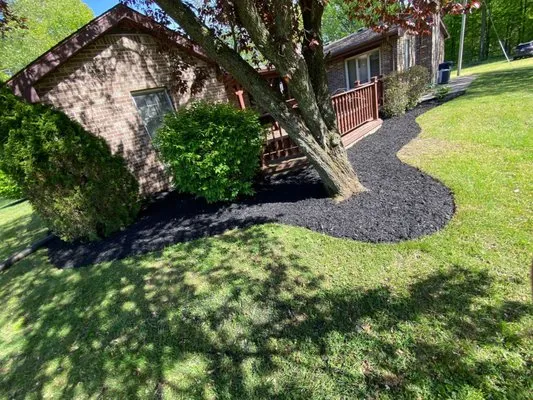
Logan’s Logs & Landscape is a locally owned lawn care, tree service, and junk removal provider serving Lambertville and Temperance, MI. Founded by Logan, our young and passionate team is dedicated to ...
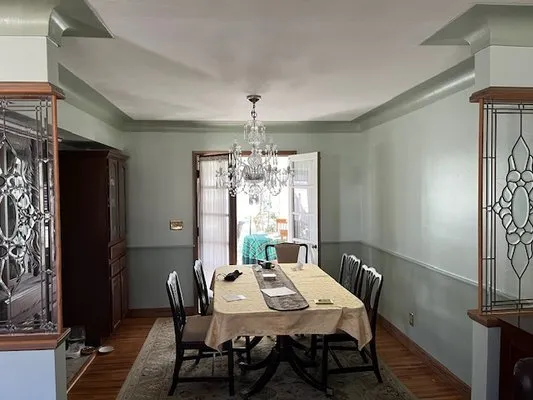
TM Property Maintenance is your trusted local contractor in Lambertville, Michigan, dedicated to enhancing and protecting your home's value. With over a decade of experience in both commercial and res...
D & S Mowing Service is a locally owned and operated ground maintenance company based in Lambertville, MI, specializing in commercial bush hog mowing and landscape design. We focus on managing overgro...

Grass Man Lawn And Landscape
Grass Man Lawn And Landscape is a Lambertville-based company providing comprehensive outdoor solutions for local homeowners. Specializing in lawn services, junk removal, and landscape design, they add...

Snyder Lawn Maintenance has been the trusted, locally owned and operated choice for Lambertville homeowners since day one. With over a decade of hands-on experience in the lawn and landscape industry,...
Matthew's Lawn Services is a trusted Lambertville-based provider specializing in comprehensive lawn care solutions. We understand that many local homeowners struggle with common landscaping challenges...
Questions and Answers
How can I keep my Kentucky Bluegrass lawn green during voluntary water conservation?
Under Lambertville's Voluntary Conservation Stage, the key is precision watering. Smart Wi-Fi ET-based weather controllers automatically adjust irrigation schedules using real-time evapotranspiration data, applying water only when and where the Tall Fescue blend needs it. This technology can reduce water use by 20-30% while maintaining turf health by targeting root zones during optimal morning hours, ensuring compliance with municipal guidelines without sacrificing lawn viability.
What invasive species should I watch for, and how do I treat them safely?
Lambertville faces threats from invasive plants like garlic mustard, Japanese knotweed, and autumn olive. Manual removal for young plants and targeted, professional-grade herbicide application for established infestations are effective, but timing is critical to avoid Michigan's statewide Phosphorus Application Restrictions. Treatments must be scheduled outside of blackout dates, typically in late fall or early spring, to prevent nutrient runoff into watersheds while ensuring the chemical has optimal efficacy on the target species.
My HOA gave me a 48-hour notice for overgrown vegetation. How quickly can you respond?
For urgent HOA compliance or emergency storm cleanup, our standard dispatch from Lambertville Park via US-23 allows a 20-30 minute peak response window to most Lambertville Center addresses. We maintain dedicated equipment and crew scheduling for such time-sensitive ordinances, ensuring a rapid initial assessment and mobilization to mitigate violation risks. This routing prioritizes efficiency during high-traffic periods common in suburban corridors.
Do I need a permit to regrade my backyard, and who is qualified to do the work?
Yes, significant grading on a 0.35-acre lot typically requires a permit from the Bedford Township Planning Department to ensure proper erosion control and drainage compliance. The work must be performed by a contractor licensed through the Michigan Department of Licensing and Regulatory Affairs (LARA). This licensing verifies bonding, insurance, and adherence to state codes, which is crucial for earth-moving operations that can affect property foundations and stormwater management systems.
Why does my lawn seem to have such poor soil quality compared to the park?
Properties built around Lambertville's 1982 average construction date have soils with approximately 44 years of development. In Lambertville Center, the dominant Blount-Pewamo Loam often becomes heavily compacted over decades, forming dense clay layers that restrict root growth and water percolation. This history of compression necessitates annual core aeration and the incorporation of 1-2 inches of composted organic matter to rebuild soil structure and microbial activity, directly addressing the low permeability common in established neighborhoods.
Is stamped concrete or a wood deck better for a new patio?
For longevity and low maintenance in Zone 6a, stamped concrete and clay brick pavers outperform wood. While wood requires frequent sealing and decays, concrete and brick offer superior durability against freeze-thaw cycles with minimal upkeep. In Lambertville's Low Fire Wise rating zone, both materials also contribute to defensible space by providing a non-combustible surface adjacent to the home, a prudent consideration for urban-suburban interfaces where ember exposure is possible.
My yard has persistent puddling after rain. What's a long-term fix?
Puddling indicates poor natural drainage, a hallmark of the heavy clay pockets within Blount-Pewamo Loam. A functional solution involves installing subsurface French drains or dry creek beds to redirect water. For new hardscapes, specifying permeable clay brick pavers or certain patterned stamped concrete systems can significantly increase surface permeability, helping manage stormwater runoff to meet Bedford Township Planning Department standards for on-site water retention and reducing basement water pressure.
I want to reduce mowing and gas equipment noise. What are my options?
Transitioning high-maintenance turf areas to a native plant palette is a forward-looking strategy. Planting Purple Coneflower, Wild Bergamot, Butterfly Milkweed, and Little Bluestem creates a resilient, low-input landscape that requires no weekly mowing and minimal watering once established. This xeriscaping approach inherently reduces reliance on gasoline-powered blowers and mowers, aligning with evolving noise ordinance trends and providing critical habitat to meet 2026 biodiversity targets for pollinator corridors.
