Top Landscaping Services in Lakefield Township, MI, 48637 | Compare & Call
There are 162 landscaping companies server in Lakefield Township MI
Kluck Nursery is a family-owned Saginaw institution with deep roots in the Great Lakes Bay Region. Founded in the late 1920s by Walter Kluck, the nursery has grown from a small, part-time 'dig your ow...

Irrigation Systems Garpiel Group
Founded in 1997 by Rob Garpiel, the Garpiel Group began as a family-run landscaping company born from a passion for improving outdoor spaces. From those early days of Rob working with his brothers, th...
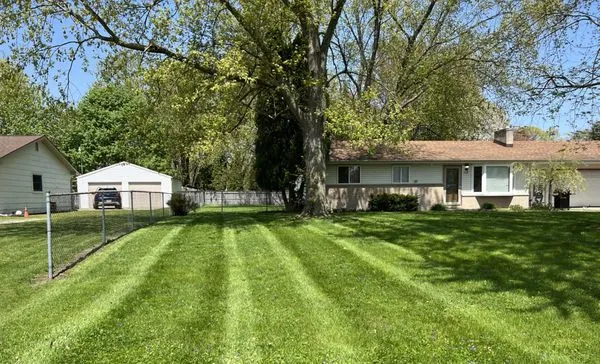
TKD Lawn Care is your trusted local landscaping partner in Saginaw, MI, dedicated to cultivating healthy, beautiful outdoor spaces. We specialize in comprehensive lawn and shrub care, from routine mai...
Nichols Lawn Green is a trusted landscaping company serving Saginaw, MI, dedicated to solving common local yard problems like patchy lawn grass and shifting rock gardens. We provide expert lawn care a...
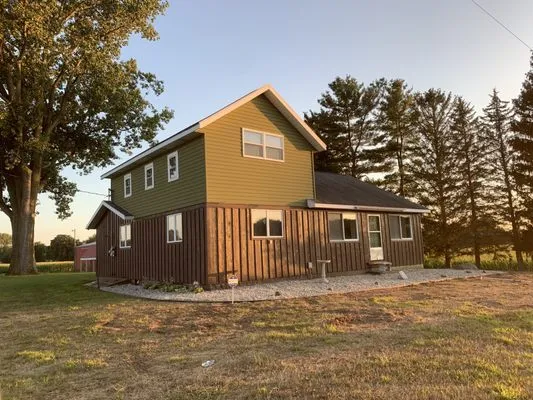
Grounded is a trusted, locally-owned lawn and tree care provider serving Saginaw, MI, and the surrounding communities. We specialize in comprehensive lawn care, snow removal, and expert tree services....
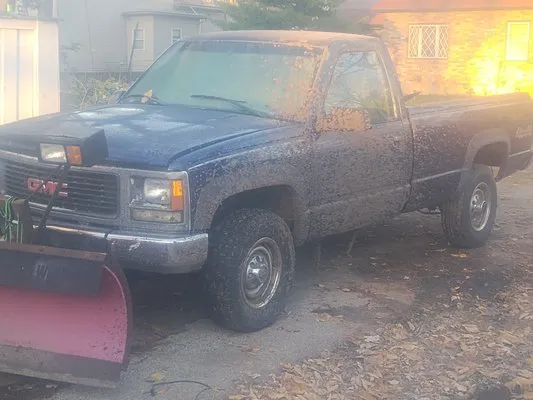
SOS Services in Saginaw, MI, is a comprehensive property maintenance company specializing in lawn care, snow removal, and junk hauling. For Saginaw homeowners dealing with common landscaping challenge...
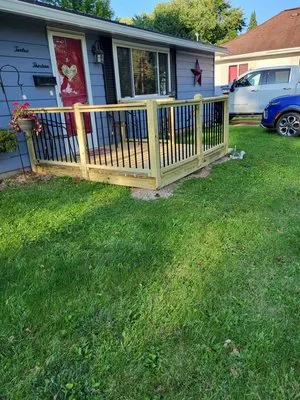
I'm The Guy Handyman Services is your local St. Louis, MI solution for home maintenance, repairs, and improvements. We offer a comprehensive range of services, from appliance installation and cabinet ...
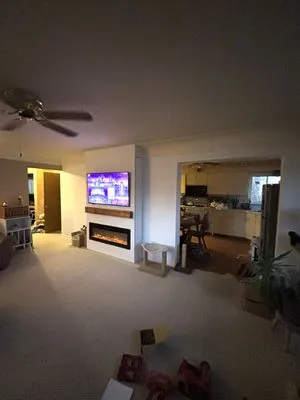
DR Remodeling is a locally owned and operated home improvement service based in Saginaw, MI. Founded in 2017, the business was started after the owner spent years working with other remodeling compani...
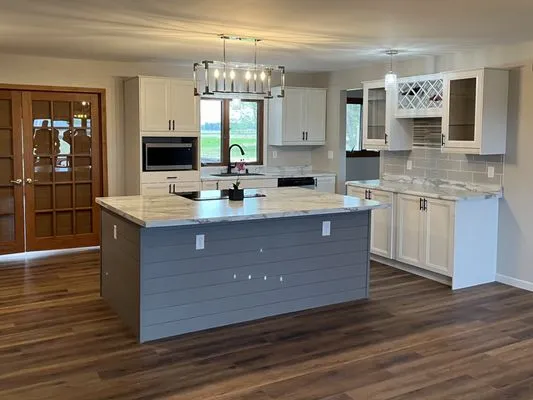
Tri-City Home Enhancement is a Freeland-based service provider specializing in comprehensive property care. We help homeowners and sellers prepare their properties through cleaning, junk removal, and ...

The Tending Co. is your Saginaw neighbor for reliable lawn and garden care, plus thoughtful pet and farm sitting services. We specialize in practical solutions for local yards, from weeding landscape ...
Estimated Landscaping Service Costs in Lakefield Township, MI
Question Answers
My yard's soil seems thin and sandy. Is this normal for our Lakefield Center neighborhood, and what should I do about it?
This is a common condition in subdivisions developed around 1981, like many here. Over 45 years, the original topsoil was often stripped and compacted, leaving the underlying loamy sand subsoil. This soil type has good drainage but is naturally low in organic matter, leading to poor nutrient and water retention. Core aeration and adding 1-2 inches of composted organic matter annually will rebuild soil structure and support healthier turf and reduce surface runoff.
We need to regrade a section of our 1.5-acre lot. What permits and contractor qualifications are required?
Significant earth moving on a property of this size typically requires review by the Saginaw County Building Department to ensure compliance with drainage and erosion control ordinances. Furthermore, Michigan law (LARA) mandates that contractors performing excavation or grading beyond a certain scope hold specific licensing. Hiring a licensed landscape architect or contractor guarantees the work meets structural and environmental codes, protecting your investment.
I'm tired of constant mowing and blowing. Are there lower-maintenance, eco-friendly alternatives?
Absolutely. Transitioning areas of high-maintenance turf to a native plant community is a forward-thinking solution. Species like Butterfly Milkweed, Wild Bergamot, Little Bluestem, and Black-eyed Susan are adapted to our Zone 5b climate and loamy sand. Once established, they require no irrigation, minimal mowing, and no leaf blowing, aligning with trends toward electric equipment and reduced gas-powered noise.
We want a green lawn but don't want to waste water. What's the best irrigation setup for our area?
With Lakefield Township currently in Stage 0 water restrictions, proactive conservation is key. A system using smart Wi-Fi soil moisture sensor controllers is optimal. These devices schedule irrigation based on actual evapotranspiration (ET) and soil conditions, applying water only when your Kentucky Bluegrass and Fine Fescue mix needs it. This technology prevents overwatering, which is critical given our seasonal high water table.
A storm knocked down a large branch. How quickly can a crew respond for emergency cleanup?
For urgent storm response in Lakefield Center, our standard dispatch time from the Lakefield Township Hall via M-46 is 45-60 minutes during peak hours. We maintain a fleet of electric chippers and trailers to comply with local noise ordinances while enabling rapid deployment. This allows for immediate site assessment and hazard mitigation to secure your property.
I've spotted what looks like invasive Garlic Mustard. How should I handle it without harming my garden?
Correct identification is the first step, as several invasive species threaten local ecology. For Garlic Mustard, manual removal before seed set is effective. Always dispose of plants in sealed bags, not compost. Treatment must comply with Michigan's Phosphorus application restrictions; many herbicides contain nutrients regulated under the Natural Resources and Environmental Protection Act. A licensed professional can advise on targeted, ordinance-compliant control methods.
Part of my yard stays soggy for days after rain. What's causing this, and how can it be fixed?
Loamy sand soils in our region often have a restrictive layer that causes poor infiltration and a seasonal high water table. The solution involves improving soil structure and redirecting water. Core aeration and adding compost can enhance permeability. For new hardscapes, using permeable concrete pavers or an open-graded crushed limestone base can meet Saginaw County runoff standards by allowing water to infiltrate on-site.
We're adding a patio. Are concrete pavers a better long-term choice than wood decking here?
For longevity and low maintenance in our climate, inorganic materials like concrete pavers are superior. They resist frost heave, decay, and insect damage. From a Firewise perspective, a non-combustible paver patio within the Moderate-risk rural interface zone provides critical defensible space compared to wooden structures. Crushed limestone pathways also offer a fire-resistant, permeable surface that integrates well with the landscape.
