Top Landscaping Services in Kalkaska, MI, 49646 | Compare & Call
There are 39 landscaping companies server in Kalkaska MI
KLM Landscape is a design/build landscaping company serving Armada, MI, and surrounding areas since 1986. We specialize in comprehensive outdoor solutions including landscaping, hardscaping, masonry/c...
G&S Landscape and Lawn Service is a licensed, professional lawn care provider based in Fife Lake, MI, serving Northern Michigan and surrounding areas. With hundreds of happy customers and a 4.9 Google...
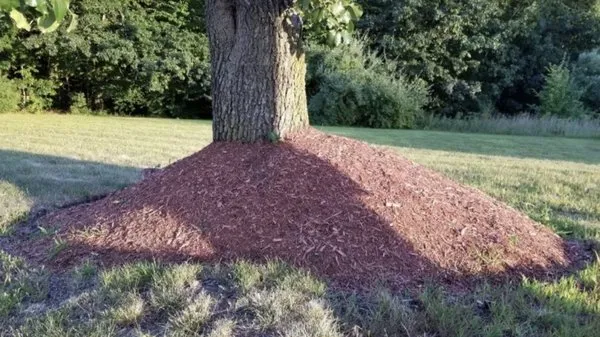
H&H Lawn Care is a dedicated, locally-owned landscaping service in Rapid City, MI, where hard work and creative design meet to transform outdoor spaces. Founded by a team that believes every lawn and ...
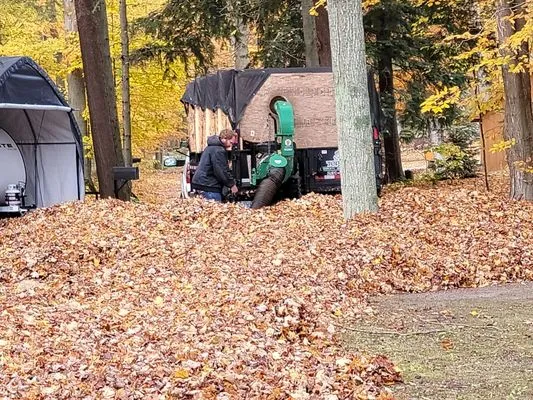
Top Notch Property Maintenance Services is a family-owned and operated business serving the Honor, MI community. Our team of skilled employees is dedicated to helping homeowners and property managers ...
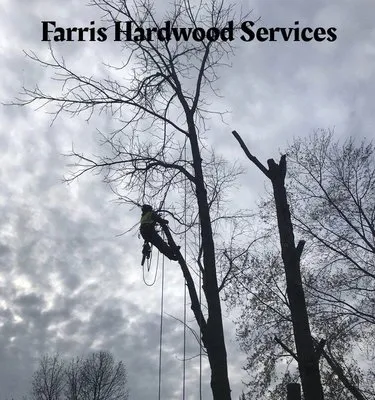
James Farris, the owner and operator of Farris Hardwood Services, has been the heart of this family-owned Elk Rapids tree care company since its founding in 2007. His passion for arboriculture has gro...
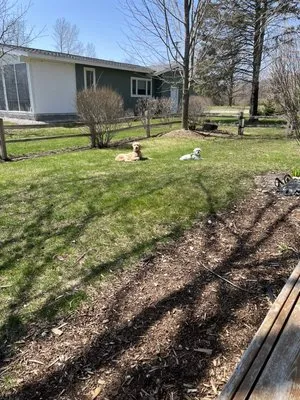
Otherside Irrigation Services is a family-owned and operated landscaping business deeply rooted in Northern Michigan, with over two decades of experience serving the Bellaire community. As certified i...
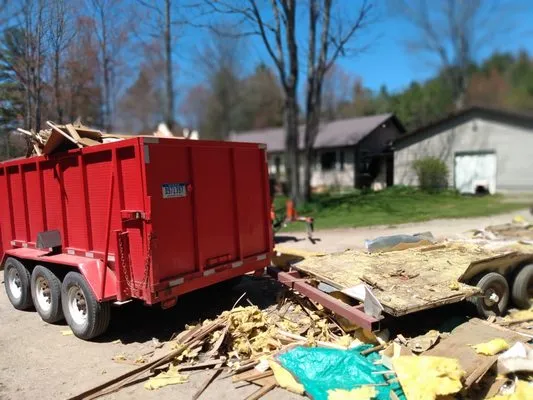
Joseph Andrew Can Do is a Kalkaska-based home improvement specialist offering reliable handyman, painting, and lawn services to residents and businesses in the community. With over 15 years of hands-o...
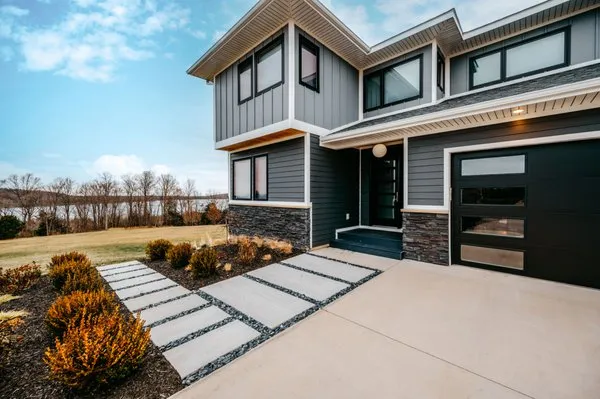
Nuñez Nursery and Landscaping is a trusted, family-owned resource for Manistee homeowners looking to create and maintain beautiful, healthy outdoor spaces. We specialize in diagnosing and solving comm...
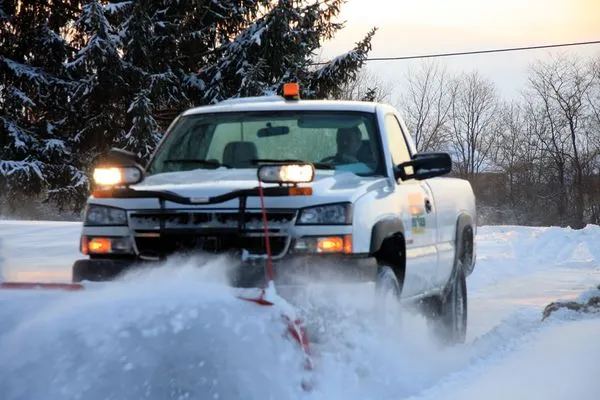
Bayside Maintenance is your local, year-round partner for property care in Traverse City, MI. Specializing in lawn services and snow removal, we tackle the common challenges Northern Michigan homes fa...
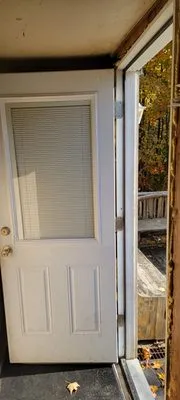
P and F Services is a licensed and insured family-owned business in Gaylord, MI, with deep roots in handyman, landscaping, and roofing work. Founded by someone who grew up doing this type of work, the...
Estimated Landscaping Service Costs in Kalkaska, MI
Question Answers
How do I deal with invasive plants without harming my garden or the river?
First, accurately identify the threat; common invasive alerts here include Garlic Mustard and Spotted Knapweed. Manual removal before seed set is most effective. For persistent perennials, targeted, spot-applied herbicide in fall can be necessary. Always follow state guidance for Phosphorus reduction near waterways, avoiding fertilizer blends and applications before forecasted rain. This protects the local watershed while reclaiming space for your desirable plants.
My yard drains instantly but my basement is damp. What's the solution?
This indicates high surface infiltration but poor sub-surface drainage, a frequent issue in sandy loam where water moves quickly laterally. Regrading to direct surface flow away from the foundation is the first step. Using permeable materials like crushed granite or recycled concrete for patios and walkways increases ground absorption and can help manage runoff. The Kalkaska County Building Department may require a permit for significant regrading to ensure it meets current stormwater management standards.
Are recycled concrete and crushed granite good choices for a new patio?
These inorganic materials offer superior longevity and permeability compared to wood or solid pavers in our climate. They provide a stable, low-maintenance surface that complements the natural landscape. Their permeability aids in managing the site's high infiltration rate. In Kalkaska's Moderate Wildland-Urban Interface rating, using non-combustible materials like these also contributes to defensible space, a key consideration for fire-wise landscaping in Michigan's northern forests.
Is it possible to have a green lawn while following water conservation guidelines?
Yes, using smart technology aligns lawn care with Kalkaska's Stage 0 voluntary conservation. Wi-Fi soil-moisture sensors provide ET-based irrigation, delivering water only when and where your Kentucky Bluegrass and Fine Fescue need it. This system prevents overwatering, which is wasteful and harmful in our sandy loam. It ensures deep root growth and turf resilience while keeping your usage well within municipal expectations, even during dry spells.
What are low-maintenance alternatives to my high-input lawn?
Transitioning sections of turf to a native plant community significantly reduces water, mowing, and chemical inputs. Species like Common Milkweed, Wild Bergamot, Little Bluestem, and Serviceberry are adapted to Zone 5a and our soil pH. This shift supports local pollinators and builds biodiversity. It also future-proofs your landscape against evolving noise ordinances that may restrict gas-powered equipment, as these plantings require minimal seasonal maintenance with electric tools.
What permits and credentials should I verify before hiring for a major landscaping project?
For significant work like regrading a 0.35-acre lot, installing retaining walls, or altering drainage, always verify the contractor holds a license from the Michigan Department of Licensing and Regulatory Affairs (LARA). The Kalkaska County Building Department issues permits for such projects to ensure code compliance, especially concerning erosion control and setback requirements. Hiring a licensed professional guarantees the work meets structural and environmental standards, protecting your property's value.
How quickly can you respond for an emergency tree cleanup after a storm?
For urgent situations like storm debris blocking a driveway, we prioritize a rapid dispatch. From our staging near the Kalkaska County Courthouse, we can typically reach most Downtown locations within 20-30 minutes via US-131, depending on peak traffic conditions. Our electric fleet complies with the local noise ordinance, allowing us to begin work immediately upon arrival during permitted hours to secure your property and clear hazards.
Why does my yard feel compacted and drain so fast?
The average home in Downtown Kalkaska was built around 1967, meaning your soil profile is nearly 60 years old. Decades of foot traffic and standard maintenance have likely degraded the original sandy loam structure, reducing its organic matter. This leads to surface compaction but also rapid infiltration, a common paradox here. Core aeration and incorporating compost are critical to rebuild soil aggregates and improve water retention for healthier turf and planting beds.
