Top Landscaping Services in Jamestown, MI, 49315 | Compare & Call
There are 192 landscaping companies server in Jamestown MI
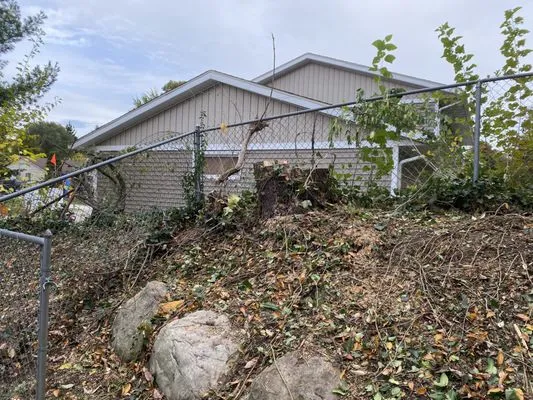
Redeemed Landscaping is a trusted lawn care and pressure washing service based in Grand Rapids, MI. We specialize in lawn maintenance and window pressure washing, helping homeowners keep their propert...
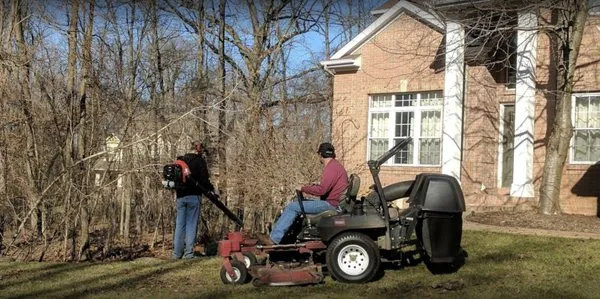
Efficient Lawn Maintenance has been a trusted provider of professional lawn care services in Grandville, MI, and the surrounding Grand Rapids area since 2004. We specialize in comprehensive lawn maint...
Secrest Home Improvement is a trusted, locally-owned business serving Wyoming, MI, and the surrounding areas. We specialize in landscaping and reliable snow removal services, helping homeowners mainta...

Brink Wood Products is a family-run landscape supply company founded in Byron Center in 1976 by Fred and Ruth Brink. What began with a single load of sawdust in their backyard has grown into a trusted...
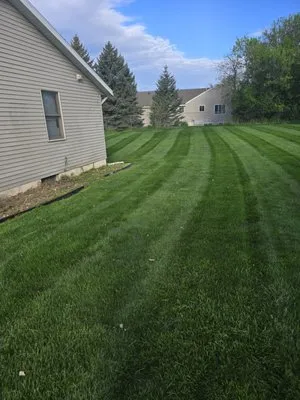
Pride Lawn Care & Snow Plowing is a trusted local provider in Wyoming, MI, specializing in comprehensive lawn care and reliable snow removal services. We understand the common landscaping challenges f...
Tinman's Landscaping provides professional landscaping services to homeowners in Wyoming, MI, and the surrounding area. Specializing in gardening, landscape maintenance, lawn care, and comprehensive t...

17K Solution is a trusted Grand Rapids-based contractor specializing in landscaping, excavation, and snow removal. We understand the unique challenges faced by local homeowners, such as landscape edgi...

Rhythms Lawn and Tree Service is a trusted local provider in Holland, MI, offering comprehensive tree and lawn care solutions. With years of hands-on experience, we specialize in everything from routi...
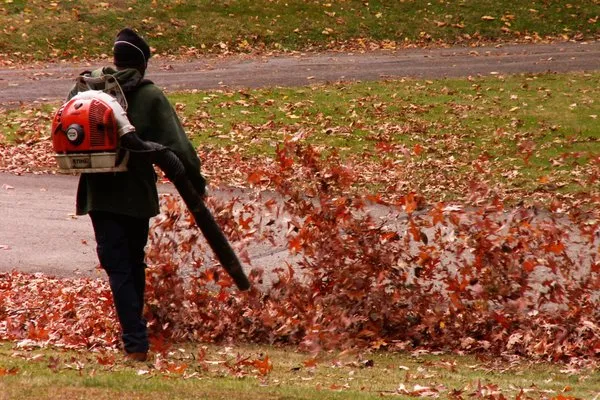
Lawn Wizards provides expert lawn care services to homeowners in Grand Rapids, MI, helping them maintain a beautiful and healthy yard. We understand the common local challenges, like unsightly tree ro...
Superior Lawn Sprinkling is a Byron Center-based landscaping company dedicated to solving the area's common lawn challenges, particularly yard drainage issues and lawn fungus diseases. We specialize i...
Estimated Landscaping Service Costs in Jamestown, MI
Questions and Answers
My yard stays soggy for days after rain. What's the best long-term fix?
Seasonal saturation is common here due to Sandy Loam over a high water table. The solution integrates grading and permeable materials. Installing a dry well or French drain system can intercept subsurface water. For hardscapes, using permeable concrete pavers or open-graded crushed limestone allows infiltration, meeting Jamestown Township's runoff management standards. This combined approach moves and absorbs water effectively.
A storm just knocked down a large limb. How quickly can a crew get here for emergency cleanup?
Our standard emergency response from our dispatch near Jamestown Township Park is 20-30 minutes during peak hours. We route via M-6 to access the Jamestown Charter Township Center efficiently. Crews operate within the local noise ordinance hours (7:00 AM - 9:00 PM) using electric equipment to minimize disturbance. We prioritize securing the site and clearing hazards to restore safety and access.
I've spotted what looks like Japanese Knotweed. How do I handle it correctly?
Japanese Knotweed is a high-priority invasive. Safe eradication requires a licensed professional applying herbicide at specific growth stages, strictly following the Michigan NREPA (Part 85). This law regulates pesticide use to protect water quality, crucial in our high-water-table area. DIY methods often spread the plant. A professional ensures compliant, effective treatment that targets the root system to prevent regrowth.
My lawn in Jamestown Charter Township Center has never been great. Could the age of my home be a factor?
Yes, soil maturity is a key factor. Lots in this neighborhood, typically developed around 1994, have 32-year-old soils. The native Sandy Loam is often heavily compacted from original construction, limiting root growth and water percolation. This compaction reduces permeability, creating a shallow root zone that stresses turf. Annual core aeration and incorporating compost are essential to rebuild soil structure and organic matter.
How can I keep my Kentucky Bluegrass lawn green without wasting water?
Smart irrigation is critical. We recommend a Wi-Fi ET-based system that uses local weather data to apply only the water your lawn actually loses through evapotranspiration. This technology prevents overwatering, which is especially important given Jamestown's high water table and soil saturation risks. Properly programmed, it maintains turf health while adhering to voluntary conservation guidelines, optimizing every gallon used.
Do I need a permit to regrade my backyard, and what kind of contractor should I hire?
Significant regrading on a 0.55-acre lot often requires a permit from the Jamestown Charter Township Building Department to ensure proper stormwater management. You must hire a contractor licensed by the Michigan Department of Licensing and Regulatory Affairs (LARA) for this work. LARA licensing guarantees the contractor carries the required insurance and has the expertise to execute the plan without causing drainage issues for your or neighboring properties.
Are concrete pavers a better choice than wood for a new patio?
For longevity and low maintenance, concrete pavers are superior. They resist frost heave, require no sealing or staining, and offer superior permeability when installed with sand joints. Compared to wood, they do not rot or attract pests. In our low Fire Wise rating area, they also provide a non-combustible defensible space material, adding a layer of safety and durability to your landscape investment.
I want a lower-maintenance, eco-friendly yard. What should I plant?
Transitioning to a native plant community is the most effective strategy. Species like Butterfly Milkweed, Wild Bergamot, Little Bluestem, and Black-eyed Susan are adapted to Zone 6a conditions and require no fertilization or frequent mowing. This xeriscaping approach conserves water, supports local pollinators, and reduces the need for gas-powered equipment, aligning with evolving noise and emissions regulations.
