Top Landscaping Services in James Township, MI, 48609 | Compare & Call
There are 165 landscaping companies server in James Township MI

S Imperial Services is your local expert in lawn fertilization and pest control, proudly serving Saginaw and surrounding Michigan communities for over 20 years. We specialize in a proven 6-step lawn c...
Bruns Landscaping is a locally owned and licensed company providing dependable landscaping services to Saginaw and surrounding communities. Based right here in Saginaw, MI, we build and maintain beaut...
E & C Snow Removal & Grass CTTNG is a trusted, year-round landscaping partner serving Saginaw, MI, dedicated to solving common local yard challenges. Many area homes struggle with poor drainage leadin...
Custom Personalized Lawn Care
Custom Personalized Lawn Care is a dedicated lawn service and pest control provider serving Saginaw, MI. We specialize in tailored lawn care solutions designed to address common local challenges like ...

Absolute Landscaping is a full-service construction and installation company serving Freeland and the surrounding Tri-Cities area. We specialize in solving common local yard problems like standing wat...
Quiet Cuts Electric Lawn Care
Quiet Cuts Electric Lawn Care was founded right here in Saginaw by Jonny Lange. After years of dealing with disruptive, noisy lawn care in his own neighborhood, Jonny was determined to create a better...
Full Service Lawn & Snow provides professional lawn care and reliable snow removal services to homeowners and businesses in Saginaw, MI. We understand the specific challenges of our local climate, inc...
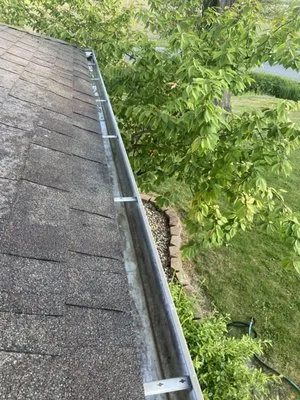
Smitcey Lawn Care & Maintenance is a family-owned lawn service deeply rooted in the Bay City, MI community. For years, our work has been driven by a genuine passion for nature and transforming outdoor...
B & B Lawn Maintenance is your trusted local lawn care provider in Saginaw, MI. We specialize in comprehensive lawn services designed to combat the common local challenges of lawn moss and stubborn mu...
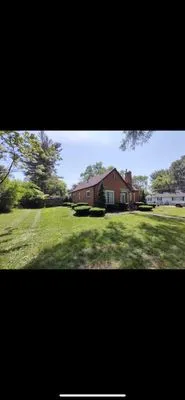
A&E Lawn Care and Snow Plowing is a trusted, full-service outdoor maintenance company serving Saginaw, MI. We specialize in comprehensive lawn care, expert fence and gate services, and reliable snow r...
Estimated Landscaping Service Costs in James Township, MI
Frequently Asked Questions
How do I maintain my Kentucky Bluegrass and Fine Fescue mix without wasting water?
Smart Wi-Fi soil-moisture sensing irrigation systems calculate evapotranspiration rates to deliver precise water volumes only when needed. These systems prevent overwatering despite the high water table, conserving municipal resources while meeting turf requirements. Voluntary conservation practices include programming for early morning cycles to reduce evaporation loss. Regular system audits ensure uniform coverage and prevent runoff into the Tittabawassee River watershed.
Are concrete pavers better than wood for patio longevity?
Pre-cast concrete pavers offer superior durability with 25+ year lifespans versus wood's 10-15 years in Michigan's freeze-thaw cycles. Their non-combustible nature supports Low Fire Wise Rating compliance for defensible space around structures. Permeable installation options reduce runoff compared to solid surfaces. Proper base preparation with geotextile fabric prevents settling and maintains level surfaces through seasonal ground movement.
Why does my lawn have drainage issues and compacted soil?
James Township lots in the Residential District average 52 years of development since 1974, leading to mature silt loam soil with reduced permeability. This soil type naturally compacts over decades, restricting water movement and oxygen exchange to roots. Core aeration with organic amendments like compost improves soil structure and addresses seasonal saturation common in this area. Regular soil testing maintains the optimal pH range of 6.5-7.2 for turf and native plant health.
What solutions exist for yards that stay wet weeks after rain?
Seasonal saturation in silt loam soils requires French drains or dry wells to intercept groundwater before it surfaces. Permeable pre-cast concrete pavers in patios or walkways increase infiltration rates, meeting Saginaw County Building Department runoff standards. Grading adjustments of 1-2% slope away from foundations redirect surface water effectively. These combined approaches manage the high water table characteristic of James Township's landscape.
What invasive species should I watch for near the Tittabawassee River?
Japanese knotweed and purple loosestrife pose significant threats to riparian zones, displacing native vegetation along waterways. Manual removal before seed set combined with targeted spot treatments prevents spread without violating phosphorus-free fertilizer ordinances. Treatment timing avoids blackout periods near sensitive aquatic habitats. Regular monitoring and early intervention protect existing Butterfly Milkweed and Black-eyed Susan plantings from competition.
How quickly can you respond to storm damage for HOA compliance?
Emergency cleanup crews dispatch from the Tittabawassee River Access area, taking M-47/M-46 to reach James Township Residential District within 25-40 minutes during peak conditions. This routing optimizes response time for fallen branches or debris clearing to meet neighborhood standards. All equipment operates within the 8:00 AM to 8:00 PM noise ordinance window, with electric tools minimizing disturbance. Documentation for compliance verification is provided upon service completion.
What permits and licenses are needed for regrading my half-acre property?
Grading projects altering drainage patterns require Saginaw County Building Department permits to ensure compliance with erosion control standards. Contractors must hold Michigan LARA landscaping licensure for earthmoving exceeding 100 cubic yards on 0.50-acre lots. Professional licensing verifies competency in soil mechanics and watershed protection near the Tittabawassee River. Unpermitted grading risks fines and mandatory restoration orders from regulatory agencies.
Can I reduce mowing and maintenance while supporting pollinators?
Replacing turf areas with Purple Coneflower, Butterfly Milkweed, Little Bluestem, Wild Bergamot, and Black-eyed Susan creates biodiverse habitats requiring minimal care. These native species establish deep root systems that improve soil structure and drought tolerance. Transitioning to electric maintenance equipment aligns with noise ordinance restrictions on gas-powered blowers. This approach anticipates 2026 biodiversity standards while reducing weekly mowing commitments from May through September.
