Top Landscaping Services in Inland, MI, 49617 | Compare & Call

There are 160 landscaping companies server in Inland MI

All-Around Pro Services is your trusted local provider in Manistee, MI, offering expert pressure washing, lawn care, and window cleaning to enhance your property's curb appeal and health. We understan...
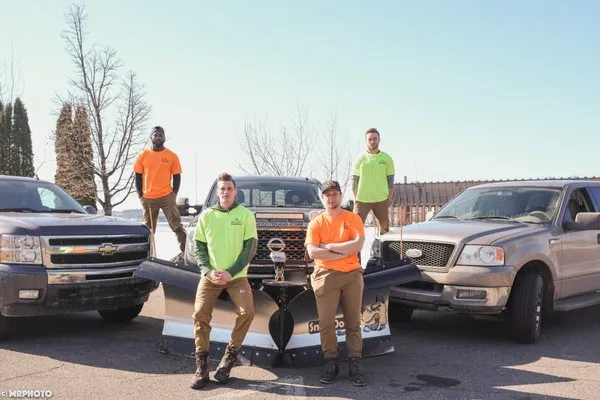
Busy Boys Home Solutions is a Marquette-based company founded by three Northern Michigan University student-athletes who combine their experience in landscaping, painting, construction, and maintenanc...

Superior Land Prep and Snow Removal
For over two decades, Superior Land Prep and Snow Removal has been the trusted local choice for Negaunee homeowners. Our foundation is built on 24 years of construction and landscaping experience, whi...

Blue Oasis Lawn is your trusted Rapid River partner for year-round outdoor maintenance, specializing in snow removal, lawn care, and gutter services. We understand the unique challenges local homeowne...
UP Tree Services is your local, experienced partner for tree care and property maintenance in Ishpeming and across Marquette County. Founded by Thomas Hendrickson, who brings nine years of specialized...
Charlie Hawley Trucking is your trusted local partner for comprehensive landscaping solutions in Skandia, MI. We specialize in expert landscape and greenscape design and construction, tackling the spe...
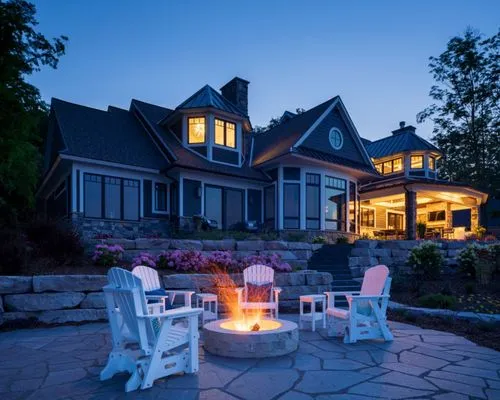
Flaska Landscaping
Flaska Landscaping brings over two decades of dedicated landscaping design and construction expertise to Traverse City, Michigan, and the surrounding Northern Michigan communities. We proudly serve An...
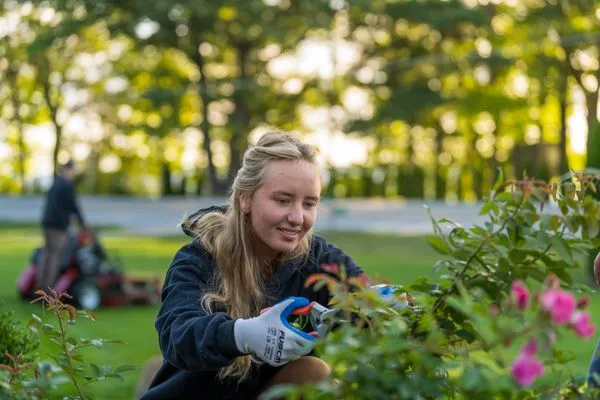
TruNorth Landscaping
TruNorth Landscaping is a family-owned, full-service landscape company serving Traverse City and Leelanau County. Founded by Doug and Patti Bonnell, who bring over 40 years of combined Green Industry ...
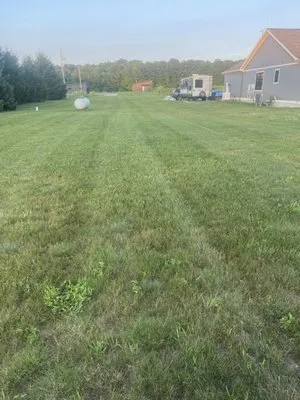
A&D Landscaping is a full-service landscaping company serving Kingsley, MI, and surrounding areas. We specialize in comprehensive landscape solutions including design, installation, maintenance, and s...
Grand Traverse Bay Outdoor Services was founded in Cadillac, MI, in 2020, turning a lifelong dream into reality. Owner-driven and deeply rooted in the local community, the company has evolved from off...
Estimated Landscaping Service Costs in Inland, MI
Questions and Answers
Should I install a smart irrigation system given Inland's current water restrictions?
Inland's Stage 0 water status permits irrigation but smart Wi-Fi soil moisture sensors optimize usage. These controllers adjust watering based on actual ET rates and soil conditions, reducing consumption by 20-30% compared to traditional timers. For Kentucky Bluegrass or Fine Fescue mixes, this technology maintains turf health while staying well within municipal water limits. Properly calibrated systems can even anticipate restriction escalations during drought conditions.
How quickly can you respond to an emergency tree cleanup after a storm?
Emergency cleanup crews dispatch from Inland Township Park and travel via M-37 to reach Inland Village properties. During peak storm conditions, expect a 45-60 minute response time for priority safety hazards. We maintain electric equipment fleets that comply with local noise ordinances, allowing work within restricted hours when necessary. HOA compliance issues typically receive same-day assessment with follow-up within 48 hours.
What's the best solution for seasonal water pooling in my yard?
Sandy loam soils in Inland experience poor infiltration during seasonal high water tables, creating temporary pooling. Installing French drains with gravel layers improves subsurface drainage. For hardscape areas, permeable concrete or crushed limestone allows water penetration while meeting Benzie County Building & Zoning Department runoff standards. These materials typically achieve 3-5 inches per hour infiltration rates, significantly reducing surface water accumulation.
What permits and licenses are needed for regrading my 0.45-acre property?
Grading work on 0.45-acre lots in Benzie County requires permits from the Benzie County Building & Zoning Department, especially when altering drainage patterns. Contractors must hold appropriate licensing through Michigan Department of Licensing and Regulatory Affairs (LARA), particularly for earth moving exceeding certain volumes. Unlicensed grading can violate soil erosion controls and create liability issues. Always verify contractor credentials before beginning landscape modifications.
How do I control invasive species without harming my lawn?
Common invasive alerts for Zone 5a include garlic mustard and spotted knapweed. Manual removal before seed set is most effective for small infestations. For chemical control, use phosphorus-free herbicides that comply with local fertilizer ordinances, applying during optimal growth periods. Avoid treatment during blackout dates specified by municipal guidelines. Always identify species correctly through Michigan State University Extension resources before proceeding.
Why does my Inland Village lawn have drainage issues despite regular watering?
Homes built around 1988 in Inland Village have sandy loam soil that has matured for approximately 38 years. This soil type naturally develops compaction layers that reduce permeability, especially in neighborhoods with similar construction timelines. Core aeration every 1-2 years is essential to break up these layers and improve water infiltration. Adding organic amendments like compost can enhance soil structure and water retention in this pH 6.2-6.8 range.
Is crushed limestone better than wood for patio materials in fire-prone areas?
Crushed limestone and permeable concrete offer superior longevity compared to wood, with 25+ year lifespans versus wood's 10-15 years. These non-combustible materials contribute to defensible space in Moderate Fire Wise rated zones like Inland's Wildland-Urban Interface. Their permeability also reduces runoff during heavy rains. While initial costs are higher, reduced maintenance and fire safety benefits make them strategic choices for high-risk areas.
Can I reduce lawn maintenance while supporting local biodiversity?
Replacing high-maintenance turf with native plants like Butterfly Milkweed, Wild Bergamot, Little Bluestem, and Black-eyed Susan creates resilient landscapes. These species require minimal watering once established and support pollinator populations. Transitioning to electric maintenance equipment aligns with evolving noise ordinances restricting gas-powered blowers. This approach reduces weekly mowing needs while providing year-round ecological benefits.
