Top Landscaping Services in Ingham, MI, 48819 | Compare & Call
There are 193 landscaping companies server in Ingham MI
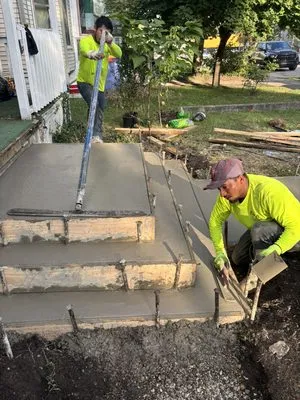
Beyond Gardens is a Grand Rapids-based masonry and landscaping company that specializes in creating durable, beautiful outdoor spaces for West Michigan homes and businesses. We handle everything from ...
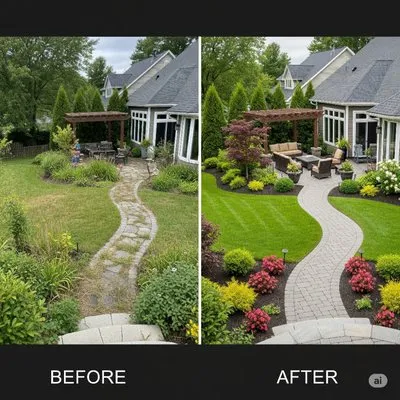
Tranquil Terrain is a dedicated landscape design and tree care firm serving the Ada, MI community. We believe that every outdoor space, regardless of size, is an opportunity to create beauty and funct...

Spades Outdoor Services is a locally owned and operated landscaping company serving Wixom, Michigan. We focus on delivering reliable, high-value results for residential and commercial properties of al...
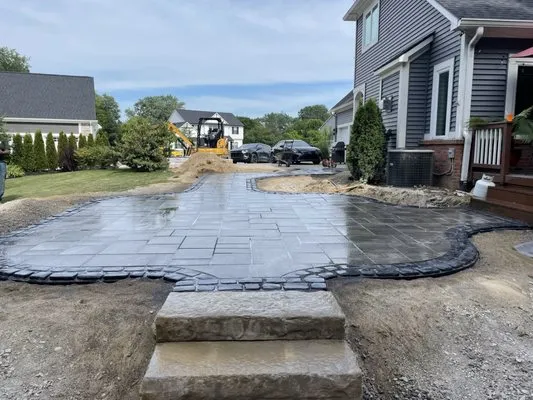
R A Hardscape is a family-owned landscaping and hardscaping company serving Flint, MI, and the surrounding communities. Founded on a passion for transforming outdoor spaces, our journey began with the...
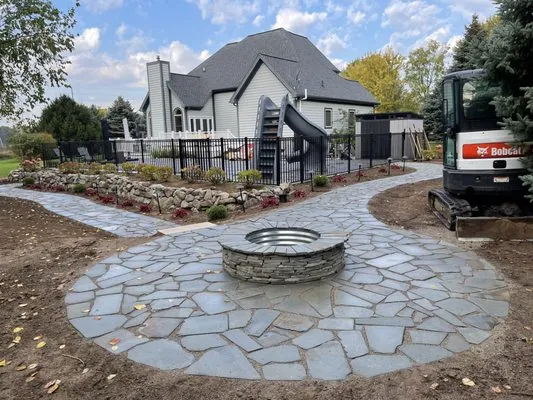
Margraves Landscaping is a Manchester-based landscaping and masonry company serving Ann Arbor and surrounding communities since 2013. We specialize in creating functional and beautiful outdoor spaces ...
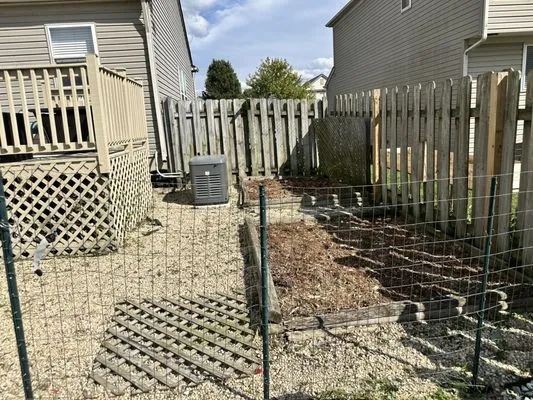
Bull & Singh Landscaping is a family-owned Ann Arbor business built on generations of values. We provide reliable landscaping, snow removal, and pressure washing services with a focus on personalized ...
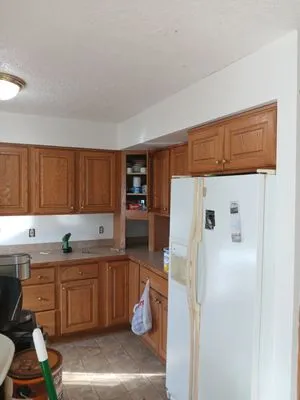
D&A is a locally owned and operated home services company in Napoleon, MI, built on family values and a commitment to the community. Founded by owners who left corporate life to build a legacy for the...
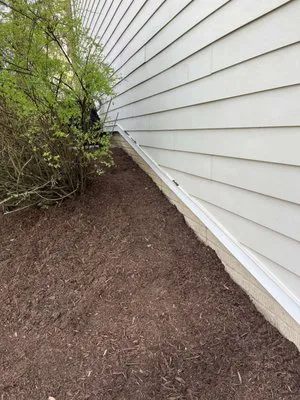
JC's Lawn Care and Landscape began a few summers ago with a simple idea: to offer reliable, quality outdoor work while learning and growing a business in Chelsea. What started as a way for friends to ...
Premier Multi-Group is a trusted home services provider based in Ann Arbor, MI, with over a decade of experience serving the Detroit Metro area. Specializing in tree services, snow removal, and lawn c...
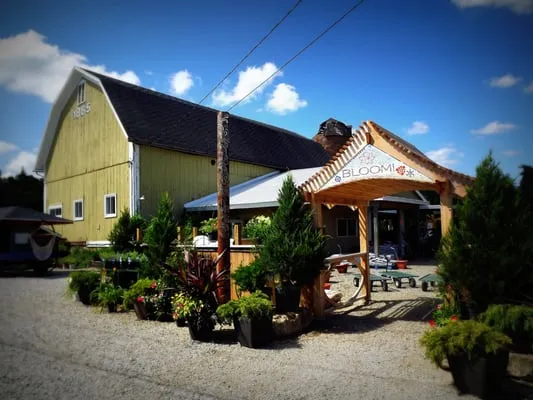
Lotus Gardenscapes
Lotus Gardenscapes is an award-winning landscape design and build firm rooted in Dexter, Michigan, founded by environmental artist Traven Pelletier. With a journey that began on Cape Cod and continued...
Estimated Landscaping Service Costs in Ingham, MI
FAQs
How can we keep our Kentucky Bluegrass lawn healthy without wasting water, especially during dry spells?
Effective irrigation relies on data, not a calendar. Smart Wi-Fi soil moisture sensors prevent overwatering by triggering controllers only when root-zone moisture drops below optimal levels. This ET-based system can reduce municipal water use by 30-40% while maintaining turf health. Even with voluntary conservation, this technology is the standard for responsible water management in our climate.
We have a major branch down after a storm and need emergency cleanup. What's your typical response time?
Our emergency dispatch protocol for the Mason area routes from the Ingham County Courthouse via US-127. With a coordinated crew, we target a 25-35 minute arrival during peak storm events. This allows for immediate hazard mitigation, debris chipping, and site clearing to restore safety and access, in full compliance with local noise ordinances.
We're tired of weekly mowing and noisy gas equipment. Are there lower-maintenance landscape options?
Yes, transitioning to a climate-adapted landscape is a strategic move. Replacing high-input turf with native plantings like Purple Coneflower, Butterfly Milkweed, and Little Bluestem creates a resilient, biodiverse system. These deep-rooted perennials require no mowing, minimal water, and support pollinators. This shift also future-proofs your property against increasing noise and emissions regulations for gas-powered equipment.
We want to regrade part of our 0.25-acre yard. What permits and contractor qualifications are needed?
Regrading that alters water flow or involves significant cut/fill typically requires a permit from the Ingham County Building Department. For a project of this scale, you must hire a contractor licensed by the Michigan Department of Licensing and Regulatory Affairs (LARA). This ensures they carry the required insurance and adhere to state codes for erosion control and proper drainage, protecting you from liability and substandard work.
We've spotted what looks like Japanese Knotweed. How should we handle invasive plants here?
Early identification and action are critical for invasive species like Japanese Knotweed or Garlic Mustard. Treatment requires a targeted, often multi-year, herbicide protocol applied by a licensed professional. This must be carefully timed outside of pollinator activity periods and in strict accordance with the local phosphorus-free fertilizer ordinance, which also governs certain herbicide applications to protect water quality.
We have persistent soggy areas in our yard every spring. What's causing this, and how do we fix it?
Seasonal high water tables and dense clay subsoils common in Ingham County create classic poor infiltration. Surface water cannot percolate, leading to pooling. The solution is a subsurface drainage system, like a French drain, tied to a dry well or daylight. Using permeable materials like crushed limestone aggregate for paths can also increase site absorption and help meet county runoff management standards.
We're adding a patio. Are concrete pavers a better long-term choice than wood in our area?
For longevity and low maintenance in Zone 5b, concrete pavers are superior to wood. They resist freeze-thaw heaving, do not rot, and have a lifespan measured in decades. For properties in the urban-wildland interface with a Moderate Fire Wise rating, non-combustible pavers also contribute to defensible space. Their modular design allows for better permeability than solid concrete when installed with appropriate base materials.
Our house was built around the same time as others in the Mason Downtown District. Why does our lawn struggle with compaction?
Homes built in the 1980s, like many here, have soils that have matured for over 40 years. Mollisols, our dominant loam, become severely compacted from decades of standard maintenance and foot traffic. This reduces permeability, choking grassroots. Core aeration and adding composted organic matter are not optional; they are essential procedures to restore soil structure and oxygenate the root zone.
