Top Landscaping Services in Indian River, MI, 49706 | Compare & Call
There are 44 landscaping companies server in Indian River MI

Northern Lights Property Services in Petoskey, MI, provides year-round property care tailored to Northern Michigan's distinct seasons. We offer comprehensive lawn care services including mowing, edgin...

JF English in Petoskey, MI, is a dedicated lawn care provider built on a foundation of deep local knowledge and a personal touch. With over 55 years of hands-on experience, the owner approaches every ...

North By Nature Landscapes
North By Nature Landscapes in Petoskey is a locally owned ecological landscaping company led by Bret, a Michigan Certified Natural Shoreline Management Professional. With a Bachelor of Science degree ...
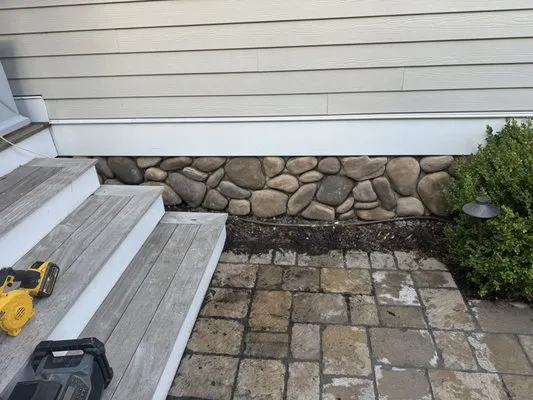
At Pecks Landscape and Masonry in Alanson, MI, we are your local partner for creating and maintaining beautiful, functional outdoor spaces. Our team specializes in masonry, landscaping, and fireplace ...
With over three decades of hands-on experience, 2 Guys Property Management & Handyman Services is a locally-owned and operated business built on a foundation of craftsmanship and respect. Owner Dave (...
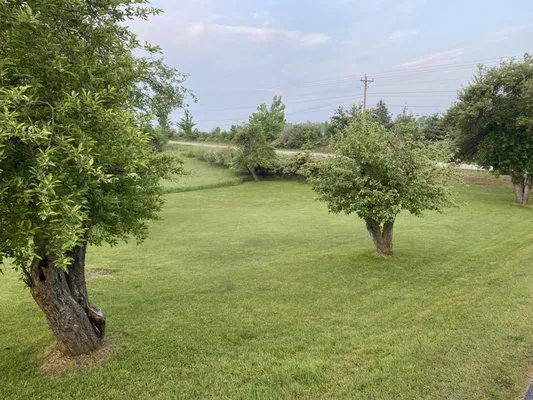
Lamp Post Lawn Care is a locally owned and operated business serving Onaway, MI, dedicated to providing practical solutions for lawn care, snow removal, and junk removal. As community members, we prio...
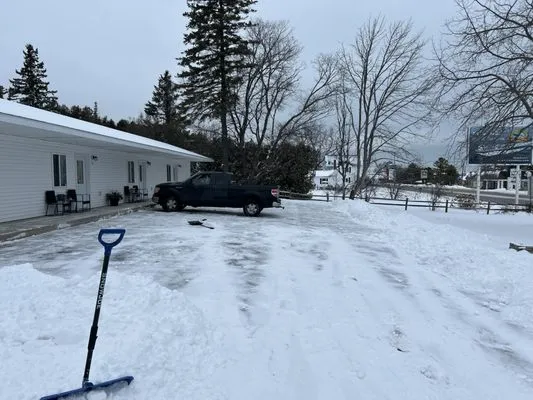
A & T Services is a local, owner-operated business built on a foundation of hard work, honesty, and pride. With over five years of experience serving Indian River, we specialize in lawn care, snow rem...
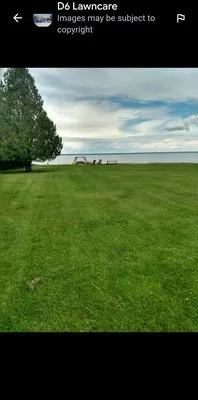
D6 Lawncare is a local, family-operated lawn and property maintenance service proudly serving Cheboygan and the surrounding area. We specialize in the core services that keep Northern Michigan homes l...
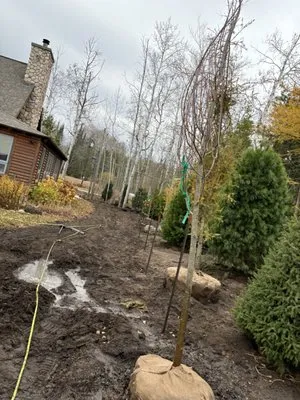
Schofield Landscape brings eight years of dedicated experience to Indian River and Northern Michigan, specializing in high-end landscape installations. We combine the reliability and quality standards...
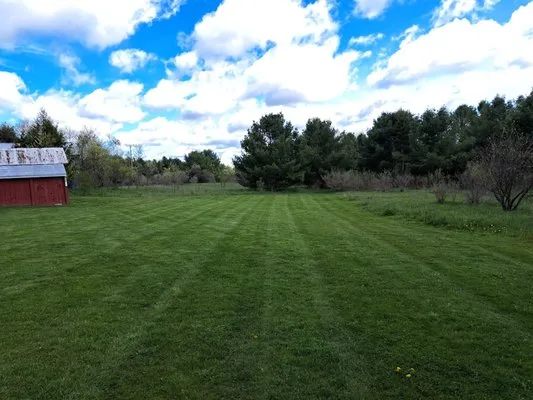
Lakeside Lawn Care in Cheboygan, MI, is a locally owned lawn service provider launching in Spring 2024. With over a decade of experience, we specialize in comprehensive lawn care for both residential ...
Estimated Landscaping Service Costs in Indian River, MI
Question Answers
How quickly can you respond to emergency storm damage that violates HOA regulations?
Emergency cleanup crews dispatch from Burt Lake State Park via I-75, reaching Indian River Village Center within 20-30 minutes during peak response windows. This routing avoids residential congestion while providing direct access to major debris corridors. Crews carry electric chainsaws and battery-powered blowers to comply with quiet hours from 10:00 PM to 7:00 AM, ensuring immediate compliance restoration without noise ordinance violations.
What invasive species threaten Indian River landscapes and how should they be treated?
Garlic mustard and Japanese knotweed present the highest invasion risks in USDA Zone 5a. Manual removal before seed set in early May, followed by targeted glyphosate applications to cut stems, provides effective control. These treatments avoid phosphorus-containing fertilizers near water bodies as required by local ordinance. Proper disposal at designated facilities prevents recontamination while protecting the abundant local water table from chemical runoff.
Should I install irrigation despite Indian River's abundant water table?
Smart Wi-Fi soil moisture sensors optimize irrigation even with no active water restrictions. These devices measure actual soil moisture at root depth, preventing overwatering of Kentucky Bluegrass and Perennial Ryegrass mixes. The system applies water only when ET rates exceed 0.25 inches, typically reducing municipal water use by 30-40% while maintaining turf health. This precision irrigation prevents nutrient leaching in sandy loam soils with high permeability.
Why does my lawn have poor drainage and compacted soil despite regular watering?
Indian River Village Center properties built around 1981 have 45-year-old soil profiles. Sandy loam with pH 6.2-6.8 naturally compacts over decades, reducing pore space for root growth and water retention. Core aeration every 2-3 years combined with 0.5 inches of composted organic matter addresses this historical compaction. These amendments improve soil structure while maintaining the slightly acidic pH preferred by most turf and native species in USDA Zone 5a.
How can I reduce maintenance while supporting local ecology?
Replacing high-maintenance turf with Sugar Maple, Serviceberry, Wild Bergamot, Common Milkweed, and Little Bluestem creates self-sustaining landscapes. These native species require no gas-powered equipment once established, aligning with evolving noise ordinance restrictions on combustion engines. The deep root systems of these plants improve soil structure while providing year-round habitat, achieving 2026 biodiversity standards with minimal ongoing maintenance beyond seasonal pruning.
What permits and licenses are required for regrading my 0.35-acre property?
Grading work exceeding 100 cubic yards requires a permit from Tuscarora Township Planning & Zoning. Contractors must hold Michigan LARA landscaping contractor licenses with specific endorsements for earth moving. The 0.35-acre scale typically involves professional engineering certification for drainage plans that protect neighboring properties. Unlicensed grading can trigger erosion control violations and compromise the sandy loam soil structure, leading to long-term drainage issues across the property.
What solutions prevent basement flooding in sandy loam soils?
High permeability in sandy loam causes rapid infiltration that can overwhelm foundation drains during heavy rain events. Permeable concrete pavers with 1/4-inch joints filled with angular gravel create 30-40% void space for subsurface drainage. Local granite dry-laid with open joints provides similar permeability while meeting Tuscarora Township Planning & Zoning runoff standards. Both materials redirect water away from foundations while maintaining natural groundwater recharge rates.
Are permeable pavers more durable than wood for patio construction?
Local granite and permeable concrete pavers offer 50+ year lifespans compared to wood's 15-25 year maximum. These materials maintain structural integrity through freeze-thaw cycles while providing fire-resistant surfaces crucial for WUI Zone 2 compliance. The non-combustible nature creates defensible space without compromising permeability rates. Properly installed with appropriate base materials, these hardscapes require minimal maintenance while supporting Moderate Fire Wise rating requirements.
