Top Landscaping Services in Hudson, MI, 49247 | Compare & Call
There are 37 landscaping companies server in Hudson MI
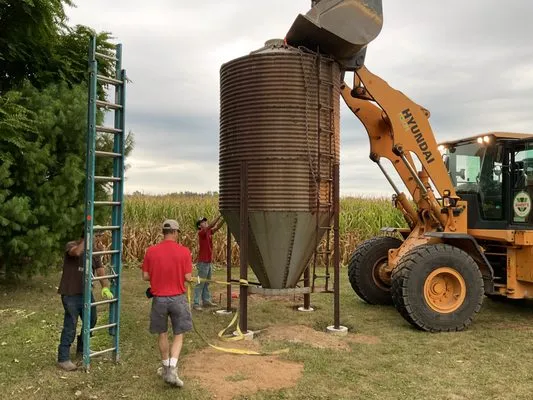
VanErt's has been a trusted landscape and building contractor in Adrian, Michigan, since 1997. We specialize in concrete driveways, patios, retaining walls, building remodeling, excavation, decks, she...
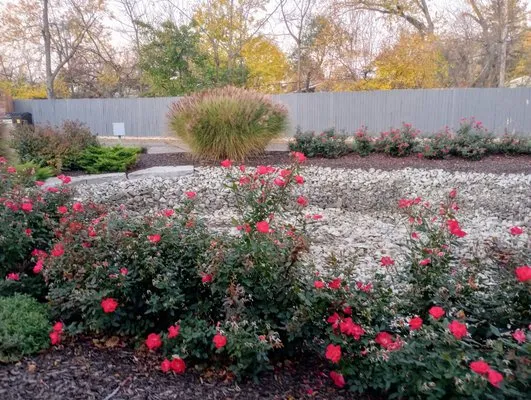
Riviera
Riviera Landscaping is a locally owned, bilingual landscaping company serving Adrian, MI, with over 25 years of experience. We specialize in comprehensive yard care, from routine maintenance like trim...
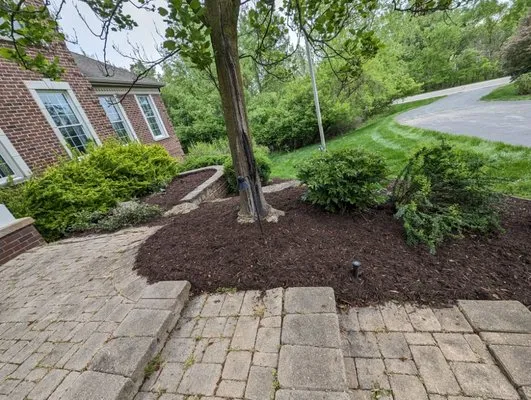
The Landscape Artisan
The Landscape Artisan in Britton, MI, is a dedicated landscaping and masonry service focused on transforming outdoor spaces with natural beauty and lasting quality. We specialize in comprehensive land...

Marsh Professional Lawncare in Adrian, MI, is a locally owned and operated outdoor maintenance company founded in 2020. Our journey began with a simple passion for helping neighbors create beautiful, ...
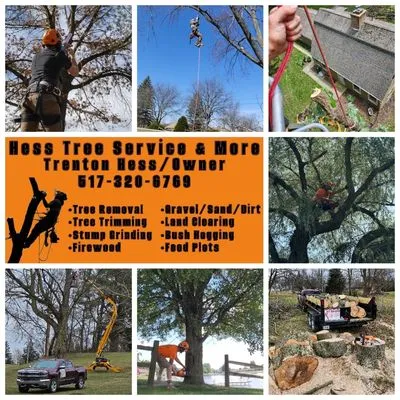
Hess Tree Service & More, owned and operated by Trenton Hess, is your trusted local partner for all things tree and landscape care in Hudson, MI. We're passionate about precise tree cutting and land c...
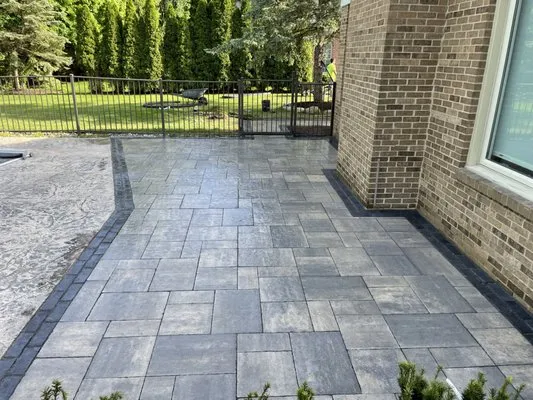
Yepez Landscaping is a full-service landscaping company serving Adrian, MI, and the surrounding area. We specialize in transforming outdoor spaces through comprehensive design, construction, and maint...

KAS Lawn Solutions is a trusted, locally-owned lawn care company that has been serving Palmyra and Lenawee County since 2005. With deep roots in the community, we understand the unique challenges that...
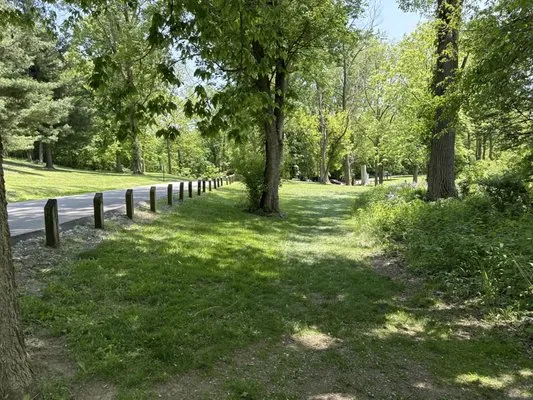
GT Lawn Care is a trusted Adrian, MI lawn services and snow removal company dedicated to solving common local landscaping challenges. Many Adrian homeowners face issues like sprinkler leaks and irriga...
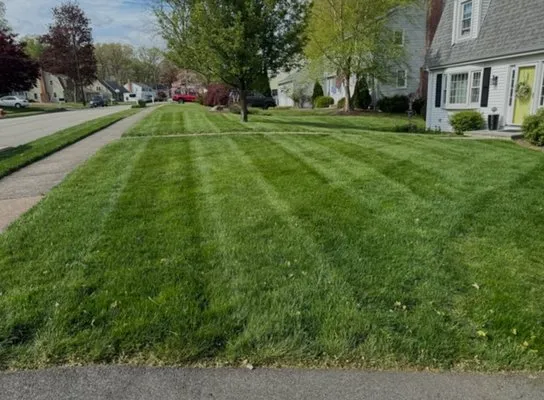
Affordable Lawn Care in Hillsdale, MI is run by Benny, who started providing lawn services four years ago at age 11. He offers straightforward, cost-effective lawn care and junk removal for local resi...
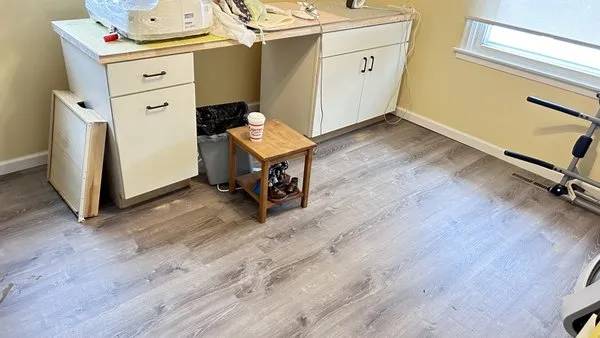
Joe Strong Construction is a family-owned and operated business serving Adrian and the surrounding Lenawee, Jackson, and Washtenaw counties for over 40 years. We specialize in turning your property in...
Estimated Landscaping Service Costs in Hudson, MI
Questions and Answers
How do I keep my Kentucky Bluegrass healthy without wasting water?
Smart Wi-Fi soil moisture sensors adjust irrigation based on actual plant needs rather than fixed schedules. These controllers monitor ET rates and soil conditions, applying water only when the root zone requires it. While Hudson has no mandatory restrictions, this technology reduces consumption by 30-40% while maintaining turf health. Properly calibrated systems deliver 1-1.5 inches weekly during peak season, preventing runoff on sandy soils.
How do I control invasive species without harming my garden?
Early identification of threats like garlic mustard or Japanese knotweed allows targeted treatment before seed set. Mechanical removal followed by native replanting prevents reinvasion while complying with Michigan Fertilizer Act 451 phosphorus restrictions near water bodies. Time applications to avoid blackout dates near Memorial Park's watershed, using organic amendments that won't leach into the fluctuating water table.
What low-maintenance alternatives work for Hudson's climate?
Transitioning from high-input turf to native plantings like Butterfly Milkweed, Wild Bergamot, Little Bluestem, and New England Aster reduces maintenance frequency by 60-70%. These species thrive in Zone 6a with minimal irrigation once established. Electric maintenance equipment operates quietly within noise ordinance hours, eliminating gas-blower emissions while supporting 2026 biodiversity targets through pollinator habitat creation.
What permits and licenses do I need for landscape grading?
Grading on 0.22-acre Hudson lots requires Hudson City Planning Commission approval for drainage alterations exceeding 6 inches of elevation change. Michigan LARA licensing ensures contractors understand soil stability requirements and erosion control measures. Professional certification demonstrates competency in managing Metea-Oshtemo Loamy Sand's unique compaction characteristics while preventing off-site sedimentation that could affect neighboring properties or municipal systems.
How quickly can you respond to storm damage for HOA compliance?
Emergency cleanup crews dispatch from Hudson Memorial Park via US-127, maintaining 20-30 minute response times during peak events. Our electric equipment fleet operates within the 8:00 AM to 8:00 PM noise ordinance window, allowing immediate debris removal and turf repair while meeting neighborhood aesthetic standards. We prioritize safety hazards like downed branches before addressing cosmetic concerns.
What's causing seasonal puddling in my yard and how do I fix it?
Moderate water table fluctuations interact with Metea-Oshtemo Loamy Sand's variable permeability, creating temporary saturation zones. Installing permeable concrete pavers or crushed limestone aggregate allows subsurface drainage while meeting Hudson City Planning Commission runoff standards. For severe cases, French drains with clean stone backfill provide reliable water movement without disturbing established root systems or requiring extensive regrading.
Why does my Hudson yard have such sandy soil that dries out quickly?
Downtown Hudson properties built around 1940 have 86 years of soil development on Metea-Oshtemo Loamy Sand. This naturally acidic soil (pH 6.2-6.8) has low organic matter accumulation due to decades of conventional maintenance. The sandy composition provides excellent drainage but poor water retention, requiring annual core aeration and 2-3 inches of compost to improve soil structure and microbial activity.
Are concrete pavers better than wood for Hudson patios?
Concrete pavers offer superior longevity in Michigan's freeze-thaw cycles, with 30+ year lifespans versus wood's 10-15 years. Their non-combustible nature supports Low Fire Wise ratings by creating defensible space without fuel accumulation. Properly installed with polymeric sand joints, paver systems accommodate ground movement better than monolithic concrete, reducing cracking from seasonal water table fluctuations.
