Top Landscaping Services in Holly, MI, 48442 | Compare & Call
There are 201 landscaping companies server in Holly MI

Turman's Tree & Landscape has been a trusted local provider in Lake Orion, MI, for over 20 years, offering comprehensive tree and lawn services. Specializing in tree trimming, removal, landscaping, la...
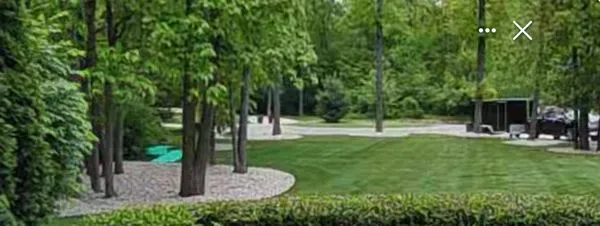
Todd's Services is a family-owned landscaping company with deep roots in the Hamburg, Michigan community. Founded in 1979, we've spent over four decades building a reputation for reliable, professiona...
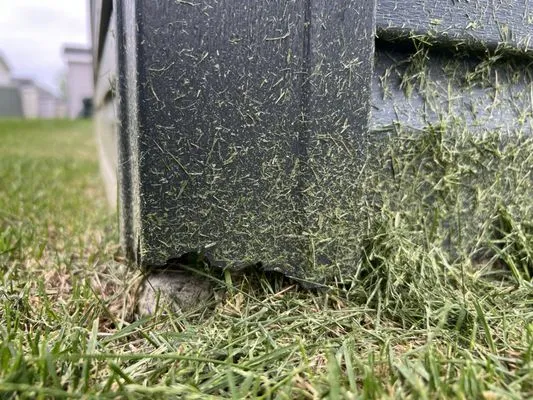
For Gary Roberts, landscaping is pure love, and it started at an early age. ""When other kids were playing baseball, I was planting roses,"" he says. By 18, he had the largest lawn service in Detroit,...

Mobile Milling in the Metro is a Detroit-based service dedicated to sustainable land management and creative reuse. Founded on the principle of working with nature, we began by salvaging trees and hav...
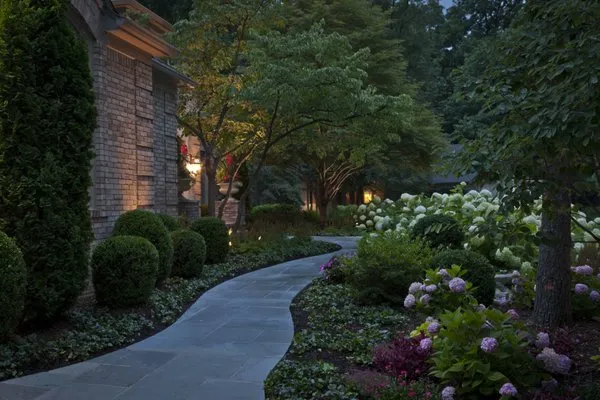
Twin Pines Landscaping
Twin Pines Landscaping has been a trusted name in Troy, MI, for over a decade, transforming outdoor spaces into cohesive and enduring landscapes. We specialize in comprehensive master planning, guidin...
Allison Outdoor
Allison Outdoor is a trusted, locally-owned landscaping and lawn care company serving Eastpointe, MI, and surrounding Macomb, Oakland, and Wayne counties. We provide comprehensive solutions for both r...
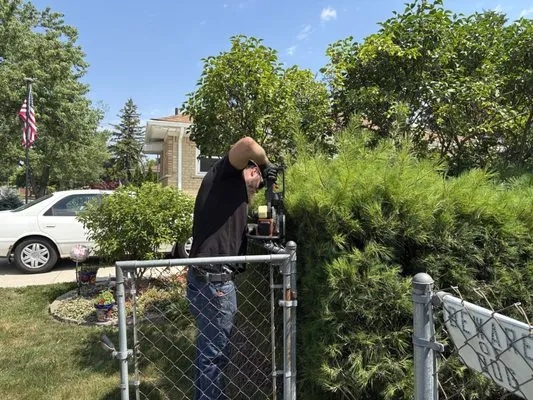
New Leaf Property Preservation is a family-owned business dedicated to helping Warren homeowners maintain and protect their investment. We understand that a well-kept property requires consistent, rel...
Eagle Landscaping & Supply
Eagle Landscaping & Supply has been a trusted resource for the Southfield and greater Detroit community since 1926, spanning four generations of family ownership. We specialize in providing essential ...
Yard Guards is your trusted local lawn care and snow removal specialist serving Ortonville, MI. We understand that local homeowners face specific challenges, including soil compaction and dying shrubs...
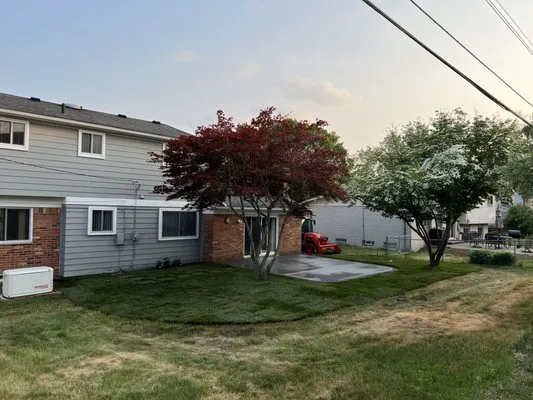
Randy, the owner of RTB Outdoor Services, is a Waterford Township local who has turned his lifelong passion for outdoor work into a reliable community business. Since starting in 2019, he's mastered a...
Estimated Landscaping Service Costs in Holly, MI
Question Answers
We need emergency storm cleanup to meet HOA compliance deadlines. How quickly can a crew arrive?
Emergency response from Crapo Park via I-75 reaches Holly Historic District properties in 20-30 minutes during peak conditions. Crews prioritize safety assessments before debris removal, focusing on downed limbs threatening structures. This timeline accounts for traffic variables while ensuring compliance with standard noise ordinance windows for equipment operation.
Our Holly Historic District home was built in 1978. Why does the soil seem compacted and what should we do about it?
Properties in the Holly Historic District with 1978 construction have 48-year-old soil systems. Loamy glacial till with pH 6.5-7.2 naturally compacts over decades, reducing permeability to 0.5-1.5 inches per hour. Core aeration every 2-3 years creates channels for oxygen and water infiltration. Adding 0.25 inches of composted organic matter annually rebuilds soil structure without altering pH balance.
Can we reduce mowing frequency while supporting local ecology?
Replacing 30-50% of turf with native plantings like Common Milkweed, Wild Bergamot, and Little Bluestem creates low-maintenance zones that support 2026 biodiversity standards. These species require no irrigation once established and eliminate weekly mowing cycles. This approach anticipates potential gas-blower restrictions under noise ordinances while providing habitat for pollinators throughout USDA Zone 6a.
What invasive species threaten our landscape and how do we manage them safely?
Japanese knotweed and garlic mustard present the highest invasion risk in Holly's loamy soils. Manual removal before seed set in early spring prevents spread without chemicals. For established infestations, targeted glyphosate applications follow Michigan NREPA Part 85 blackout dates, avoiding periods of high groundwater recharge. Always verify treatment timing against current ordinance schedules for fertilizer and pesticide use.
Should we use concrete pavers or wood for our new patio considering fire safety?
Concrete pavers provide superior longevity with 25-30 year lifespans versus wood's 10-15 years in Michigan's freeze-thaw cycles. For Holly's moderate Firewise rating, pavers create defensible space without combustible materials within 30 feet of structures. Their non-porous surface also minimizes weed intrusion compared to wood's organic decomposition, reducing maintenance in low-density wildland-urban interface areas.
What permits and licenses are needed for grading work on our quarter-acre lot?
Grading that alters more than 100 cubic yards of soil requires a permit from the Holly Village Planning and Building Department. Contractors must hold appropriate licensing through Michigan LARA, particularly for erosion control measures affecting drainage patterns. On 0.25-acre lots, even minor grading can impact neighboring properties, necessitating professional certification for proper slope stabilization and runoff management.
How do we maintain Kentucky Bluegrass and Fine Fescue without violating water conservation guidelines?
Smart Wi-Fi controllers with soil moisture sensors adjust irrigation based on actual ET rates, typically reducing water use 30-40% compared to timer systems. These systems maintain turf health at 1-1.5 inches weekly during peak season while staying within voluntary conservation recommendations. Programming follows municipal water limits with zone-specific adjustments for sun exposure and soil type variations.
Our yard has seasonal standing water in clay pockets. What drainage solutions work with Holly's regulations?
Seasonal high water tables in loamy glacial till require French drains or dry wells to redirect subsurface flow. The Holly Village Planning and Building Department permits permeable hardscape installations like crushed limestone paths that maintain 8-12 inches per hour infiltration rates. These systems address poor infiltration in clay pockets while meeting runoff standards through calculated drainage gradients.
