Top Landscaping Services in Hillsdale, MI, 49242 | Compare & Call

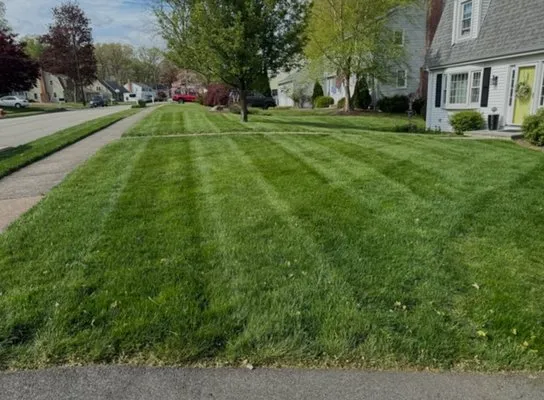
Affordable Lawn Care in Hillsdale, MI is run by Benny, who started providing lawn services four years ago at age 11. He offers straightforward, cost-effective lawn care and junk removal for local resi...
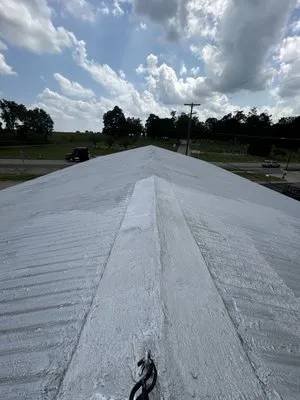
Mckibbins Outdoor Specialist is owned and operated by Wyatt McKibbin, serving Hillsdale, MI, with a comprehensive range of outdoor services. From deck construction, design, and repair to driveway, pat...
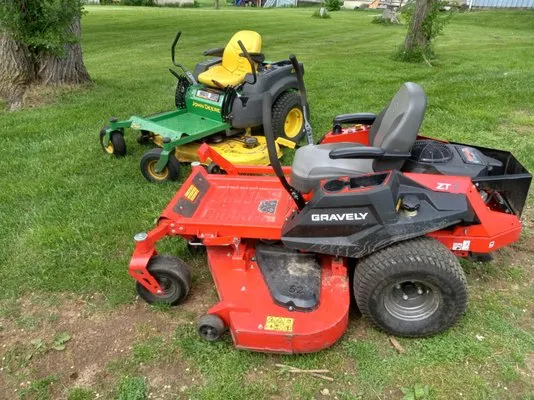
Clearview Lawn Care is your trusted local lawn and landscape partner serving Hillsdale and Jackson since 2016. Our team brings years of hands-on experience to every project, from routine lawn maintena...

Hoop Lawn & Snow is a Hillsdale-based landscaping, snow removal, and irrigation specialist dedicated to enhancing and protecting local properties. We address common local issues like patchy lawns and ...
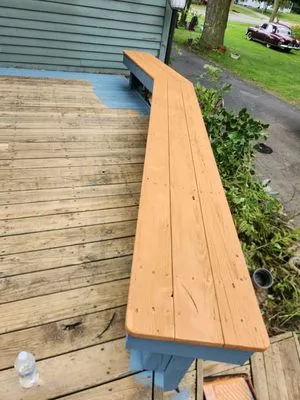
Allwardt's Handyman Service is a Hillsdale-based family business built on a tradition of skilled craftsmanship passed down through three generations. What started as side work quickly grew into a dedi...
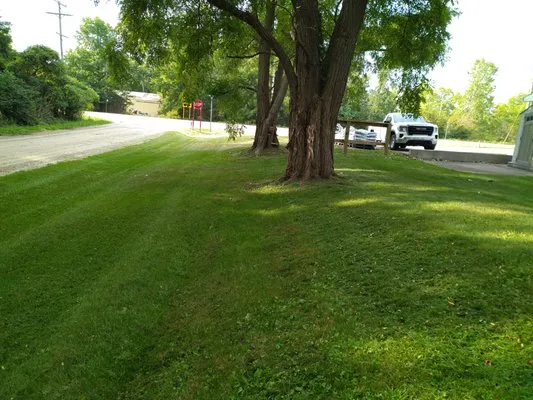
Kleencut Lawn Care is a Hillsdale-based, family-owned landscaping service founded in 2016. We provide reliable, year-round outdoor care for homes and businesses across Hillsdale and Jackson counties. ...

Baxter Lawn & Snow is a licensed, family-operated lawn care and snow removal service based in Hillsdale, MI. With years of hands-on experience, we specialize in comprehensive landscaping solutions, fr...
Spratts is a dedicated landscaping and home & garden resource serving the Hillsdale, MI community. We understand the local challenges homeowners face, such as poor lawn grading that leads to water poo...
Resendiz Farms is a Hillsdale-based excavation and landscaping company dedicated to solving common local yard issues like poor drainage and moss growth. By specializing in precise excavation and trenc...
All Heart Landscaping is your trusted local partner for keeping your Hillsdale property beautiful and functional. We understand the unique challenges homeowners here face, like irrigation timer failur...
Frequently Asked Questions
Why does my College Hill lawn struggle despite regular care?
Hillsdale's 1955-era homes have soil that has matured for 71 years, developing compaction layers from decades of foot traffic and maintenance equipment. The slightly acidic sandy loam common in this neighborhood retains nutrients poorly and benefits from annual core aeration to improve oxygen exchange. Incorporating 2-3 inches of composted organic matter each spring enhances soil structure and supports microbial activity critical for turf health.
What solutions exist for spring pooling where my patio meets the lawn?
Seasonal high water tables interact with clay pockets in Hillsdale's sandy loam, creating poor infiltration zones that require engineered drainage. Installing permeable concrete pavers with crushed limestone bases increases surface permeability by 50-60% compared to solid concrete. This approach meets Hillsdale Planning & Zoning Department runoff standards while directing excess moisture away from foundation areas through subsurface French drain systems.
What permits and licenses are needed to regrade my backyard?
Grading projects on 0.22-acre College Hill lots require Hillsdale Planning & Zoning Department approval for drainage plans that affect neighboring properties. Michigan LARA mandates licensed landscape architects or professional engineers oversee significant elevation changes exceeding 12 inches. Contractors must hold appropriate business licensing and demonstrate compliance with local erosion control ordinances before beginning earth-moving operations.
Are concrete pavers better than wood for long-term durability?
Concrete pavers maintain structural integrity for 25-30 years versus wood's 10-15 year lifespan in Hillsdale's freeze-thaw cycles. Their non-combustible nature supports the community's low Firewise rating by creating defensible space without contributing to fire spread. Interlocking paver systems accommodate ground movement better than solid concrete, reducing cracking while providing stable surfaces that resist frost heave damage.
Can I reduce maintenance while supporting local pollinators?
Transitioning 30-40% of turf to Purple Coneflower, Butterfly Milkweed, and Little Bluestem creates biodiverse landscapes requiring 75% less maintenance than traditional lawns. These native species establish deep root systems that improve soil structure and survive drought conditions without irrigation. This approach anticipates 2026 electric equipment mandates by eliminating weekly mowing and gas-powered blower use during restricted hours.
How quickly can you address an HOA violation notice for overgrown vegetation?
Emergency cleanup crews dispatch from Mrs. Stock's Park via M-99, reaching College Hill properties within the standard 20-30 minute response window. Our electric maintenance fleet operates within Hillsdale's 7:00 AM to 9:00 PM noise ordinance restrictions while providing immediate vegetation management. This rapid response typically resolves most HOA compliance issues within the same business day of notification.
Will smart irrigation controllers actually save water on my Kentucky Bluegrass lawn?
Wi-Fi soil moisture sensors prevent overwatering by delivering precise ET-based irrigation only when root zones require moisture. These systems typically reduce municipal water consumption by 30-40% while maintaining turf health through Hillsdale's voluntary conservation periods. The technology automatically adjusts for rainfall and evaporation rates, ensuring your fine fescue blend receives optimal hydration without exceeding local water guidelines.
How should I handle invasive plants without harming my garden?
Japanese knotweed and garlic mustard present the highest invasive risks in Hillsdale's USDA Zone 5b, requiring targeted treatment during early growth stages. Mechanical removal followed by organic pre-emergent applications avoids Michigan's fertilizer ordinance restrictions on nitrogen application dates. Always verify treatment timing against Part 85 blackout periods to prevent regulatory violations while protecting native Wild Bergamot and other desirable species.
