Top Landscaping Services in Heath, MI, 49010 | Compare & Call
There are 163 landscaping companies server in Heath MI
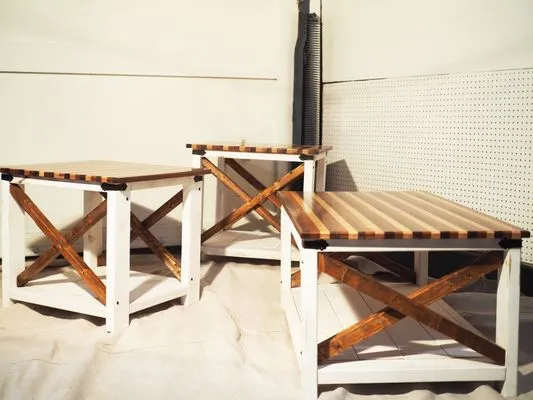
JL Works & Design is a trusted local home services provider in Spring Lake, Michigan, dedicated to helping homeowners maintain and enhance their properties. We specialize in a comprehensive range of s...
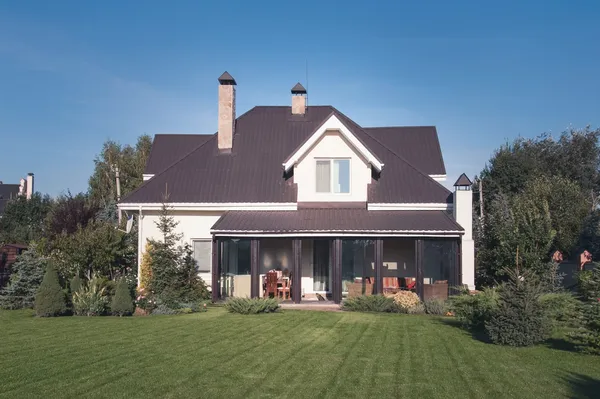
Lewandowski Home Services is a family-owned and operated business proudly serving the Muskegon community since 2015. Founded and led by owner-operator Mike Lewandowski, who brings over two decades of ...
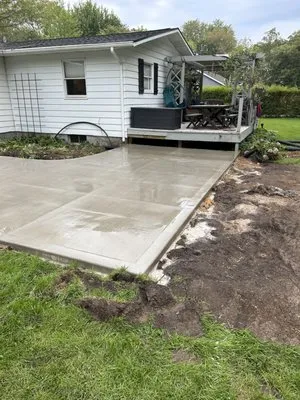
Lew's Outdoor Services is your Grand Haven partner for comprehensive landscape and hardscape solutions. Serving the lakeshore community, we specialize in addressing common local issues like yard drain...
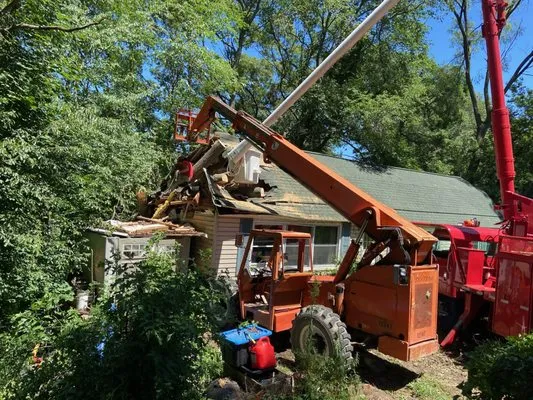
Christian Brothers Outdoor Services
Christian Brothers Outdoor Services is a Grant-based lawn and landscaping company built on a foundation of teamwork and personal connection. We believe the best results come from working directly with...
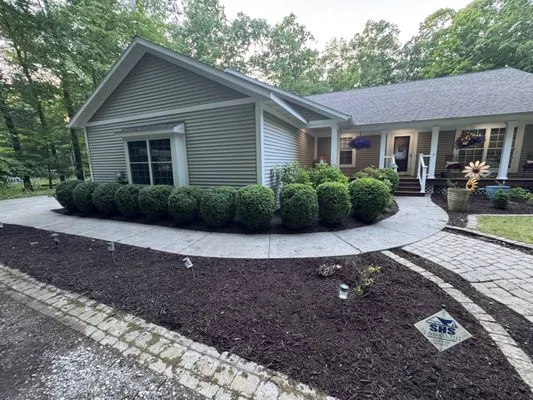
Second Generation Landscape is a family-owned landscape design and lawn care business serving Grand Haven, Holland, and Muskegon. With deep roots in West Michigan, we specialize in transforming outdoo...
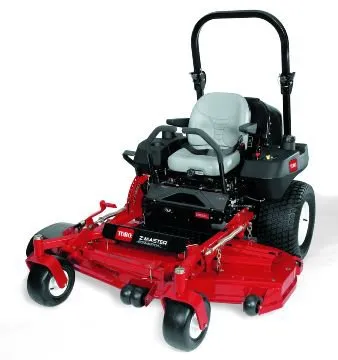
Coon's Quality Care Lawn Service is a Grand Haven-based landscaping company specializing in comprehensive outdoor solutions for local homeowners. With expertise in landscaping, snow removal, and irrig...

Green Level Property Care is a locally owned and operated lawn care service in Spring Lake, MI, founded in 2018. We specialize in comprehensive lawn maintenance, including mowing, irrigation system co...

Lakeshore Rustics Landscaping & Wood Products is a Spring Lake, MI-based company dedicated to enhancing and protecting the natural beauty of local homes. In the Spring Lake area, many properties face ...
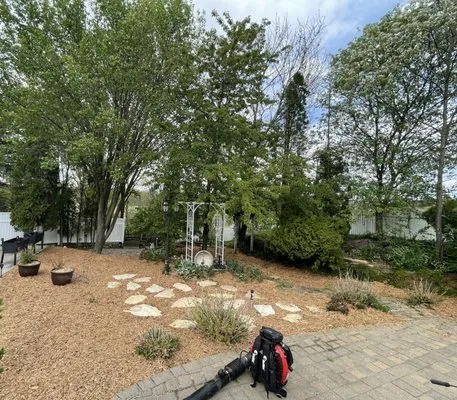
WR Property Management in Nunica, MI, is your local partner for maintaining a beautiful and functional property. We understand that many homes in our area face landscaping challenges like persistent w...
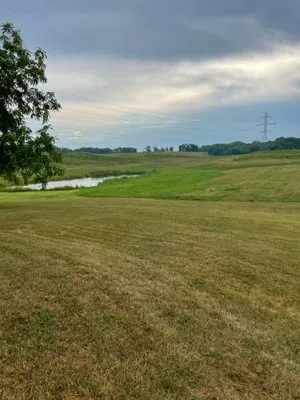
Schmaltz Scapes is a landscaping company founded in 2024 by Jackson Schmaltz in Allendale, Michigan. With over six years of industry experience, Jackson brings a wealth of knowledge to every project, ...
Estimated Landscaping Service Costs in Heath, MI
Question Answers
Should I choose concrete pavers or wood for my new patio?
Concrete pavers offer 25+ year longevity versus wood's 8-12 year lifespan in Heath's freeze-thaw cycles. Permeable paver systems with 0.25-inch joints filled with polymeric sand manage runoff while maintaining Moderate Fire Wise rating compliance. Crushed limestone pathways provide defensible space without combustible materials. These materials withstand Zone 6a temperature extremes from -10°F to 90°F without seasonal maintenance requirements.
Will smart irrigation controllers keep my Kentucky Bluegrass healthy during dry spells?
Wi-Fi weather-based controllers calculate evapotranspiration rates specific to Heath's USDA Zone 6a climate. These systems adjust watering to 0.75-1.0 inches weekly, matching Kentucky Bluegrass's 6-inch root depth needs. During voluntary conservation periods, controllers automatically reduce output by 20% while maintaining turf health. This technology prevents overwatering that exacerbates the area's seasonal saturation issues.
How quickly can you respond to emergency storm damage for HOA compliance?
Emergency cleanup crews dispatch from Heath Township Hall via US-131 with 25-35 minute peak response times. We prioritize downed tree removal and debris clearing within noise ordinance hours of 7:00 AM to 8:00 PM. Electric chainsaws and battery-powered equipment maintain compliance while addressing immediate safety hazards. This schedule ensures restoration before HOA violation notices typically issue 48 hours post-storm.
What solutions exist for yards that stay wet weeks after rain?
Heath's high water table requires French drains with clean crushed limestone aggregate for maximum permeability. Replace impermeable surfaces with concrete pavers over 6 inches of open-graded base material to meet Heath Township Zoning Department's 80% infiltration standard. Grade slopes at 2% minimum away from foundations, creating swales that direct water toward native plant buffers. These systems manage seasonal saturation without violating phosphorus runoff restrictions near water bodies.
How do I control invasive plants without harming my landscape?
Japanese knotweed and garlic mustard pose the highest risk in Heath's sandy loam soils. Apply glyphosate-based herbicides during October-November dormancy, avoiding spring application blackout dates near water bodies. Manual removal before seed set in May prevents phosphorus runoff violations. Always verify treatment timing against Michigan's fertilizer ordinance calendar, particularly within 50 feet of drainage channels or wetlands.
Why does my Heath Township Center lawn have drainage issues and compacted soil?
Heath Township Center properties average 38 years of soil maturity since 1988 construction. Sandy loam soil with pH 6.2-6.8 naturally compacts over decades, reducing permeability to 0.5 inches per hour. Core aeration every 2-3 years introduces oxygen channels while 2-3 inches of composted organic matter rebuilds soil structure. This addresses the high water table conditions common in Heath's glacial till landscape.
What permits and licenses are needed for landscape grading on half-acre lots?
Heath Township Zoning Department requires grading permits for soil movement exceeding 50 cubic yards on 0.50-acre properties. Contractors must hold Michigan LARA landscape architect registration for designs altering drainage patterns or adding retaining walls over 3 feet. This ensures compliance with state erosion control standards and prevents downstream sedimentation. Always verify contractor licensing before excavation work that could impact the area's high water table dynamics.
Can I reduce maintenance while supporting local pollinators?
Replace 30-50% of traditional turf with Butterfly Milkweed, Wild Bergamot, and Little Bluestem clusters. These Michigan natives require no irrigation after establishment and support 12+ pollinator species. Transitioning to electric maintenance equipment ahead of 2026 noise ordinance updates eliminates gas-blower restrictions. This approach cuts mowing frequency by 40% while creating habitat corridors that exceed 2026 biodiversity benchmarks.
