Top Landscaping Services in Hastings, MI, 49058 | Compare & Call

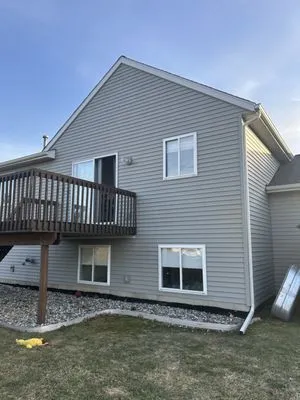
JRB Landscaping has been a trusted partner for homeowners in Hastings, MI, for years, providing reliable and professional exterior care. Our team, led by local experts, focuses on understanding the sp...

T&M Outdoor Services is a licensed, full-service company dedicated to transforming outdoor spaces in Hastings, MI, and across Western Michigan. We specialize in creating beautiful, functional, and low...
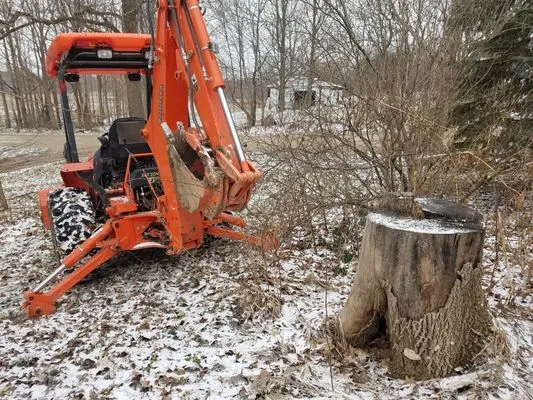
R&H Tractor Services began in 2016 with a focus on tractor work and a commitment to customer service. Founded by Ryan, who has a genuine passion for operating equipment and helping clients, the busine...
HydraScapes Irrigation is a family-owned and operated business founded in Hastings in 2022 by Zach Winchel. With over two decades of dedicated experience in the irrigation industry, Zach brings a deep...

No BS Lawn Care is a locally owned and operated business in Hastings, MI, dedicated to making lawn maintenance and yard cleanup straightforward and stress-free for homeowners. Officially established i...
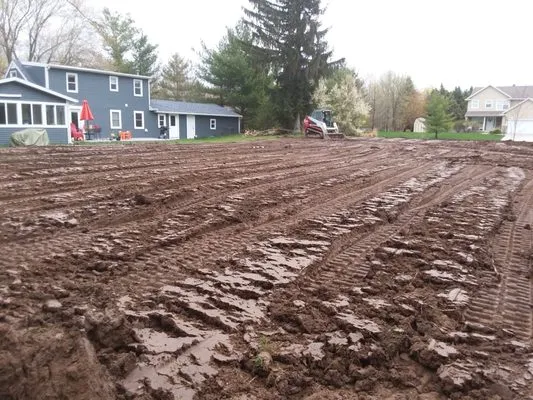
NBG Excavating is a full-service excavation and landscaping company serving Hastings and the surrounding areas. We specialize in a wide range of services from foundational excavation and driveway inst...
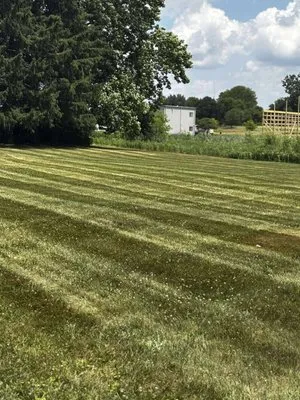
Terrain Transformers is a family-owned lawn care and snow removal business based in Hastings, MI, serving the local community with over 13 years of combined experience. Founded on a 20-year friendship...
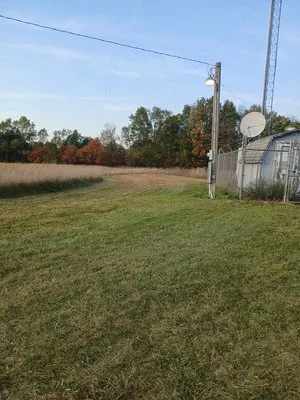
Crouch's Cutting is a trusted, local lawn care provider serving homeowners throughout Hastings, MI. We understand the common challenges in our area, such as persistent lawn moss and overgrown shrubs t...

Ideal Lawn Care is a dedicated lawn service provider serving the Hastings, MI community. We specialize in comprehensive lawn care, focusing on the health and beauty of your outdoor space. We understan...
Amazing Landscapes is your trusted local lawn care expert in Hastings, MI. We specialize in maintaining healthy, vibrant lawns that can withstand common local challenges like soil compaction. Our team...
Q&A
What alternatives reduce mowing frequency and maintenance noise in residential areas?
Replacing high-maintenance turf with Purple Coneflower, Butterfly Weed, Little Bluestem, and Wild Bergamot creates biodiverse plantings that require minimal intervention. These Michigan natives establish deep root systems accessing subsurface moisture, eliminating weekly mowing and reducing irrigation needs by 60-80%. The transition supports 2026 biodiversity standards while preempting noise ordinance restrictions on gas-powered equipment. Electric maintenance tools handle occasional trimming without disturbing the 10:00 PM to 7:00 AM quiet hours, creating sustainable landscapes that mature with minimal inputs.
Can you handle emergency storm damage cleanup with HOA compliance deadlines?
Emergency response from Fish Hatchery Park via M-37 reaches Downtown Hastings within 20-30 minutes during peak conditions. Our electric fleet operates within noise ordinance restrictions while providing immediate debris removal and safety hazard mitigation. We coordinate directly with HOA management to document damage and establish compliance timelines before initiating cleanup. This approach minimizes property exposure while meeting municipal stormwater runoff requirements during restoration.
How do we maintain Kentucky Bluegrass and Fine Fescue during dry periods without violating water guidelines?
Smart Wi-Fi ET-based weather sensing irrigation calculates evapotranspiration rates specific to Hastings' microclimate, applying water only when soil moisture drops below optimal levels for cool-season grasses. The system adjusts for sandy loam's rapid drainage by delivering shorter, more frequent cycles that prevent runoff while maintaining 4-6 inch root depth. Municipal guidelines permit efficient irrigation when tied to weather data, allowing turf preservation without exceeding seasonal water budgets. Regular soil moisture monitoring verifies the system maintains 70-80% field capacity during peak demand.
How do we manage invasive species like garlic mustard without violating fertilizer regulations?
Garlic mustard and other invasive species in Hastings require targeted mechanical removal before seed set in early spring, followed by native plant establishment to occupy ecological niches. The Michigan Fertilizer Act restricts phosphorus application, but organic amendments like compost tea and mycorrhizal inoculants support native plant health without regulatory concerns. Treatment timing avoids blackout dates by focusing on cultural controls and spot applications of approved herbicides during permissible windows. Regular monitoring identifies new invasions early when manual removal proves most effective and least disruptive to soil biology.
Our backyard has minor ponding after heavy rains - what solutions work with Hastings' seasonal high water table?
Seasonal high water tables in sandy loam soils create temporary saturation layers that cause localized ponding. Installing French drains with clean gravel and geotextile fabric redirects subsurface water away from problem areas. Concrete pavers with permeable joints or crushed limestone pathways increase surface infiltration rates while meeting Hastings Planning and Zoning Department runoff standards. Grading adjustments of 1-2% slope toward drainage swales complement these installations, addressing both surface and subsurface water movement without extensive excavation.
Should we use concrete pavers or wood for durable, low-maintenance pathways?
Concrete pavers and crushed limestone offer superior longevity to wood in Hastings' freeze-thaw cycles, with 30+ year lifespans versus wood's 10-15 years with regular maintenance. These materials maintain permeability ratings above 5 inches per hour, supporting groundwater recharge while providing stable surfaces. For properties with Low Fire Wise ratings, non-combustible hardscapes create defensible space without contributing to fire spread risk. Proper installation with geotextile underlayment and edge restraints prevents shifting and weed penetration, reducing long-term maintenance compared to wood's deterioration from moisture and insect activity.
Our 1950s-era Downtown Hastings property has patchy grass and compacted soil - what's the underlying issue?
Hastings properties built around 1959 have 67 years of soil development, resulting in mature but often degraded sandy loam. Downtown lots typically exhibit pH 6.2-6.8 with reduced organic matter from decades of conventional maintenance. The sandy component allows rapid percolation but contributes to nutrient leaching, while compaction from foot traffic and equipment reduces root penetration. Core aeration with compost amendments addresses both permeability and microbial activity, rebuilding soil structure without disrupting established pH balance.
What permits and licenses are required for regrading our quarter-acre lot?
Grading work on 0.25-acre lots in Hastings requires erosion control permits from the Planning and Zoning Department when disturbing over 100 square feet. Michigan LARA licenses contractors for earth moving operations, ensuring proper bonding and compliance with soil sedimentation ordinances. Professional landscape architects or engineers must seal designs that alter drainage patterns or affect adjacent properties. These requirements protect against downstream impacts while ensuring work meets municipal standards for slope stability and stormwater management on sandy loam soils with variable permeability.
