Top Landscaping Services in Haslett, MI, 48823 | Compare & Call

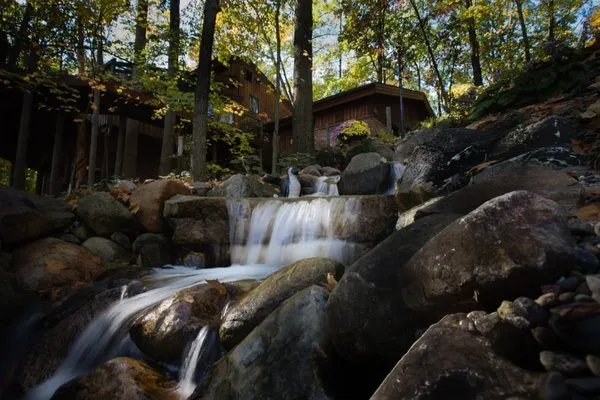
Luke Landscape Company
Luke Landscape Company is a locally owned and operated Haslett business founded in 1985. What began with owner Rick Luke mowing lawns to pay for college has grown into an award-winning, full-service d...

JD Landscape & Haul Away
JD Landscape & Haul Away is a full-service landscaping company serving Haslett, MI, and the surrounding area. We specialize in solving common local property challenges, from storm debris cleanup to ir...
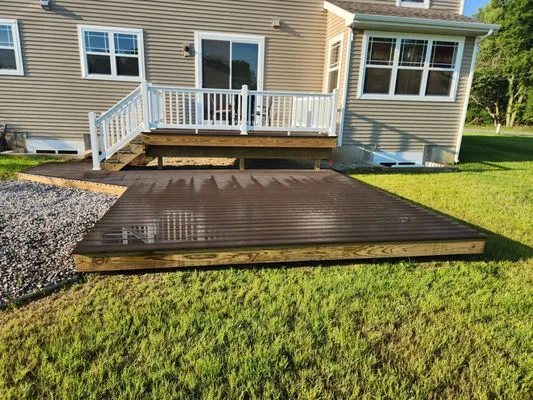
Designers Choice Landscape
Designers Choice Landscape in Haslett, MI is a landscape architecture firm founded by Gregg Hunt, a Michigan State University graduate with a BA in Horticulture Design Build. Gregg brings over 35 year...
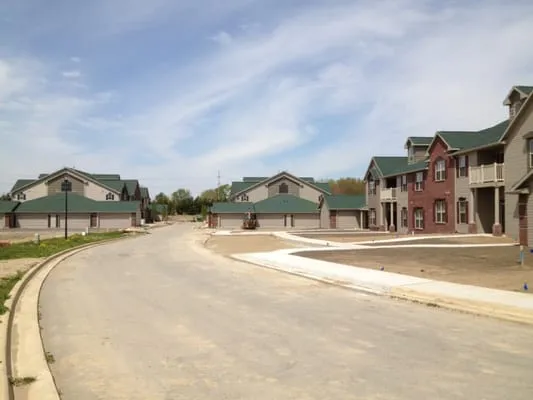
Rainmakers Irrigation is a locally owned and operated landscaping company serving Haslett, MI, with over a decade of experience. Founded in 2002, the business has grown steadily under the dedicated ow...
Landmark Landscape is a trusted local landscaping company serving the Haslett, MI community. We specialize in diagnosing and solving the specific lawn challenges faced by homeowners in our area, such ...
Alfred's Landscaping is a trusted local landscaping company serving homeowners in Haslett, MI. We specialize in diagnosing and solving common local landscaping challenges, such as poor lawn grading th...
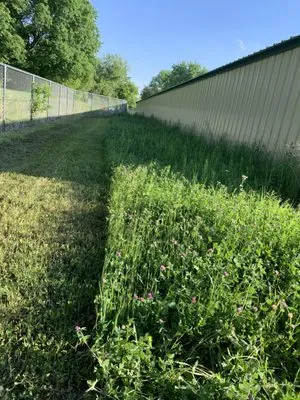
Borrowed Son Lawn Care is a family-owned and operated lawn service business serving Haslett, MI, and surrounding areas. We specialize in comprehensive lawn care, landscaping, and exterior maintenance ...

Grass Guard is a locally owned and operated lawn care service in Haslett, MI, dedicated to providing reliable and straightforward lawn maintenance for residents. Founded and run by Kyle, this business...

Mid-Michigan Lawn Stars is a trusted, locally-owned and operated service in Haslett, MI, dedicated to keeping your property beautiful and functional year-round. We specialize in comprehensive landscap...
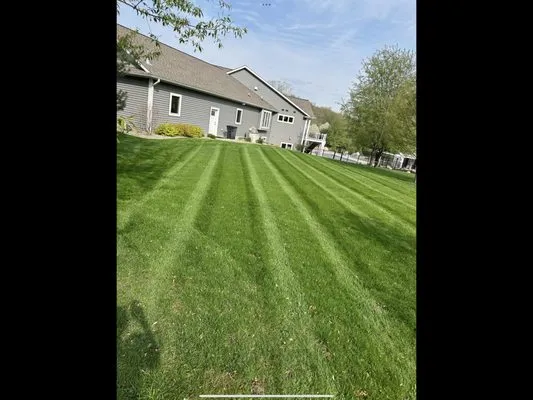
PT's Landscaping & Snow Removal is a locally owned and operated business in Haslett, MI, providing reliable, year-round property care. We specialize in lawn services, snow removal, and masonry/concret...
Question Answers
We want to regrade a portion of our 0.35-acre lot. What permits and contractor credentials are required?
Regrading that alters water flow or involves significant cut/fill typically requires a permit from the Meridian Charter Township Planning & Building Department. For a property of this size, work must be performed by a contractor licensed by the Michigan Department of Licensing and Regulatory Affairs (LARA). This ensures proper erosion control during the project and final grading that directs water away from foundations, protecting your property and neighboring lots.
My yard has persistent soggy areas each spring. What's the best long-term fix for Haslett's high water table and clay pockets?
This is a common issue from poor infiltration in clay subsoil layers. A graded dry creek bed lined with permeable crushed limestone can redirect surface water. For patios or walkways, using concrete pavers set on a gravel base increases permeability versus solid concrete. These solutions manage runoff on-site, which often meets Meridian Township's stormwater management standards for residential properties.
We're adding a patio. Are concrete pavers a better long-term choice than wood decking for our climate?
In Michigan's Zone 5b, concrete pavers offer superior longevity with minimal maintenance compared to wood, which requires regular sealing and is susceptible to rot. Pavers provide a non-combustible surface, contributing to defensible space in line with Haslett's low Fire Wise rating. Their interlocking design allows for frost heave movement without cracking, and they can be reset if future utility access is needed.
My lawn soil seems compacted and thin. Is this just from age, or is there something specific about Haslett Park I should know?
Soil in Haslett Park homes built around 1982 has matured for over 40 years, leading to significant compaction. The prevalent sandy loam can develop a hardpan layer from decades of foot traffic and standard mowing. This reduces permeability for air, water, and roots, stressing turf. Annual core aeration and top-dressing with compost are critical to rebuild soil structure and support healthy grass in established neighborhoods.
How can I keep my Kentucky Bluegrass lawn healthy during summer without violating water conservation guidelines?
Wi-Fi ET-based irrigation controllers are the solution. They adjust watering schedules daily using local evapotranspiration data, applying water only when needed. This system can maintain your cool-season grass mix while reducing usage by 20-30% compared to standard timers, aligning perfectly with voluntary conservation efforts. Deep, infrequent watering cycles encourage deeper root growth, improving drought resilience.
I'm tired of weekly mowing and gas equipment noise. What are my options for a quieter, lower-maintenance yard?
Transitioning to a native plant bed using species like Butterfly Milkweed and Little Bluestem drastically reduces maintenance. These deep-rooted perennials require no mowing, minimal watering once established, and support local pollinators. This approach future-proofs your landscape against tightening noise ordinances on gas-powered blowers and mowers, shifting maintenance to quiet, electric hand tools for seasonal trimming.
If a storm downs a large limb, what is your typical emergency response time for HOA compliance cleanup in Haslett?
For emergency storm response, we dispatch a crew from our central staging near Lake Lansing Park. Using I-69 for primary access, we can typically reach most Haslett Park properties within 20-30 minutes during peak disruption. Our initial response secures the site, removes debris from structures and walkways, and documents conditions for insurance, ensuring rapid compliance with local safety ordinances.
I've spotted what looks like Japanese Knotweed. How should I handle invasive species without harming my garden or breaking local rules?
Correct identification is critical; other common alerts include Garlic Mustard and Spotted Knapweed. Treatment requires a targeted, systemic herbicide applied at the correct growth stage. All treatments must use phosphorus-free fertilizers and chemicals as mandated by state law. We recommend professional application to ensure eradication and prevent spread to natural areas like Lake Lansing Park, following integrated pest management protocols.
