Top Landscaping Services in Hartland, MI, 48114 | Compare & Call

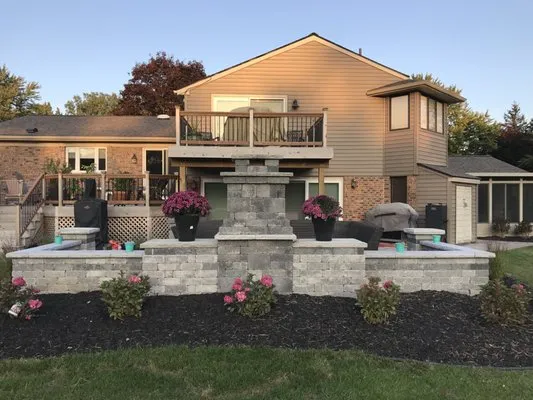
For over 26 years, All Natural Landscapes has been a trusted, licensed, and insured provider for Hartland residents and businesses. We build our reputation on a simple principle: combining highly func...

Wolverine Lawncare and Maintenance is a trusted local lawn service provider in Hartland, MI, dedicated to keeping your outdoor spaces healthy and well-maintained. We specialize in comprehensive lawn c...

Horizon Landscape is a family-owned landscape and hardscape service provider based in Hartland, MI, serving Livingston and Oakland Counties since 1994. We specialize in designing, installing, and main...
R & G Landscaping and Perennials is a trusted, family-owned landscaping company serving Hartland, MI, and the surrounding Livingston County area. We specialize in creating beautiful, functional outdoo...
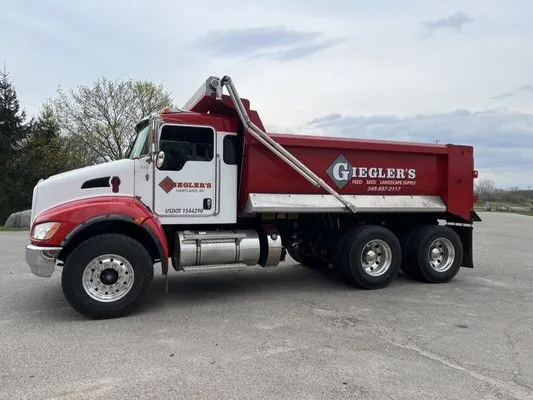
Giegler's Feed-Seed & Landscape Supplies
Giegler's Feed-Seed & Landscape Supplies has been a cornerstone of Hartland, Michigan, since 1970. As a family-owned and operated business, our roots in the community run deep—our family has been farm...

Time Back Services in Hartland, MI, is your local partner for reclaiming your home and your time. We connect you with trusted, vetted professionals for a comprehensive range of household support, incl...
Eastern Michigan Landscaping and Supply
Eastern Michigan Landscaping and Supply is a full-service Hartland, MI, company dedicated to enhancing and protecting local properties. We specialize in comprehensive irrigation systems—from expert de...
Martin Tree Service is a trusted local provider in Hartland, MI, specializing in landscaping and tree care. We understand the common local challenges homeowners face, such as unsightly lawn damage fro...
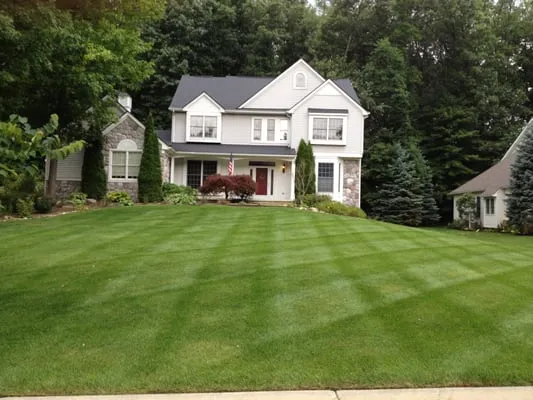
Paga Pro is a trusted, locally-owned snow removal and landscaping company serving Hartland, Michigan. We understand the unique challenges of our local climate, including the common issue of rock garde...
Common Questions
How quickly can you respond to a storm-damaged tree blocking my driveway in Hartland?
Emergency cleanup crews can typically reach Hartland Village properties within 20-30 minutes during peak response times. The dispatch route from Hartland Music Hall via US-23 provides efficient access to residential areas. This response window accommodates both immediate safety concerns and HOA compliance requirements for storm debris removal. Electric maintenance equipment operates quietly within Hartland's noise ordinance restrictions from 9:00 PM to 7:00 AM.
Why does my Hartland Village lawn have drainage issues and thin grass after 35 years?
Hartland Village lots built around 1991 have soil that has matured for 35 years. The slightly acidic sandy loam common here tends to compact over decades, reducing percolation rates below optimal levels. This compaction creates seasonal drainage problems and limits root penetration for Kentucky Bluegrass and Fine Fescue blends. Core aeration with organic amendments like composted leaf mold can restore soil structure and improve permeability to address these issues.
How do I keep my lawn green during summer without violating water conservation guidelines?
Wi-Fi enabled ET-based smart controllers optimize irrigation by using real-time evapotranspiration data from local weather stations. These systems automatically adjust watering schedules based on temperature, humidity, and solar radiation, typically reducing water use by 20-30% compared to traditional timers. This technology maintains Kentucky Bluegrass and Fine Fescue health while staying well within Hartland's standard conservation practices. The controllers can be programmed to avoid runoff during periods of moderate seasonal high water table conditions.
Are concrete pavers better than wood for patio construction in Hartland?
Concrete pavers and crushed limestone offer superior longevity compared to wood in Hartland's climate, typically lasting 25+ years versus wood's 10-15 year lifespan with maintenance. These materials provide excellent permeability for Hartland's seasonal high water table conditions while creating defensible space that meets low fire-wise rating requirements. Unlike wood, concrete pavers resist frost heave damage common in USDA Zone 6a and require minimal ongoing maintenance. Their thermal mass helps moderate temperature fluctuations in adjacent planting beds.
What solutions work best for yard drainage problems in Hartland's soil conditions?
Hartland's slightly acidic sandy loam with moderate seasonal high water table requires specific drainage approaches. Permeable concrete pavers and crushed limestone installations allow surface water to infiltrate rather than run off, meeting Hartland Township Planning Department stormwater standards. French drains with clean gravel and perforated pipe work effectively in these soil conditions when installed with proper slope. These systems manage excess moisture while maintaining soil structure integrity throughout wet seasons.
What permits and licenses are needed for grading work on my 0.45-acre Hartland property?
Grading projects on 0.45-acre lots in Hartland typically require permits from the Hartland Township Planning Department, especially when altering drainage patterns or moving more than 50 cubic yards of soil. Contractors must hold appropriate licensing through the Michigan Department of Licensing and Regulatory Affairs (LARA), particularly for work affecting stormwater management. Professional licensing ensures compliance with Michigan's soil erosion and sedimentation control standards. These requirements protect both property owners and the community's water resources from improper grading practices.
How should I treat invasive plants without harming my lawn or violating local regulations?
Invasive species like garlic mustard and Japanese knotweed require careful management in Hartland's ecosystem. Mechanical removal through digging or cutting before seed set proves most effective, particularly when combined with phosphorus-free fertilizers as required by Michigan law. Treatment timing should avoid blackout dates specified in the Natural Resources and Environmental Protection Act to protect water quality. For persistent infestations, targeted herbicide applications by licensed professionals can eliminate invasives while preserving desirable native and cultivated plants.
What are the benefits of replacing traditional lawn with native plants in Hartland?
Transitioning from high-maintenance turf to native species like Common Milkweed, Wild Bergamot, Little Bluestem, and Butterfly Weed reduces water requirements by 60-80% while supporting local biodiversity. These deep-rooted perennials improve soil health and require no gas-powered maintenance, aligning with evolving noise ordinance restrictions on combustion equipment. Native plantings provide habitat for pollinators and naturally resist pests common in USDA Zone 6a, creating resilient landscapes that adapt to changing climate conditions.
