Top Landscaping Services in Harris, MI, 49807 | Compare & Call

There are 60 landscaping companies server in Harris MI
Fuller's Outdoor Maintenance
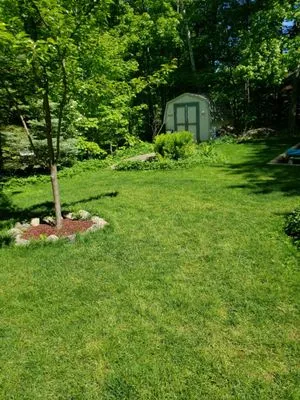
Fuller's Outdoor Maintenance is a locally owned and operated landscaping company serving homeowners across Marquette, MI. We provide comprehensive year-round services, including expert irrigation desi...
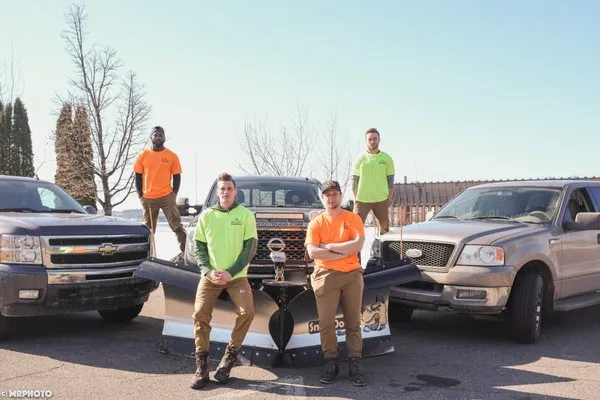
Busy Boys Home Solutions is a Marquette-based company founded by three Northern Michigan University student-athletes who combine their experience in landscaping, painting, construction, and maintenanc...
Rooted in Marquette since 1988, Nagelkirk Gardens is a local, family-owned business that brings deep horticultural knowledge and practical design to every project. Founded by Steve Nagelkirk, whose jo...
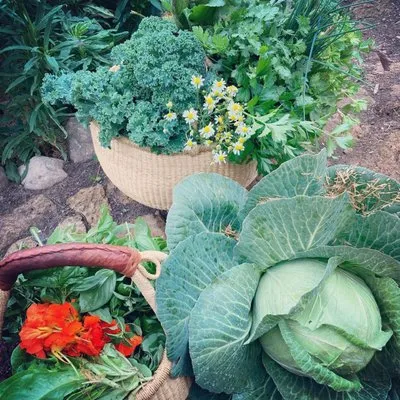
Wildwood Gardening is Marquette's trusted partner for transforming challenging landscapes into beautiful, resilient outdoor spaces. We understand the unique struggles of local homeowners, such as dead...

Green Keep is your trusted local lawn and irrigation specialist in Ishpeming, MI. We specialize in designing, installing, and maintaining efficient irrigation systems alongside comprehensive lawn care...

Superior Land Prep and Snow Removal
For over two decades, Superior Land Prep and Snow Removal has been the trusted local choice for Negaunee homeowners. Our foundation is built on 24 years of construction and landscaping experience, whi...
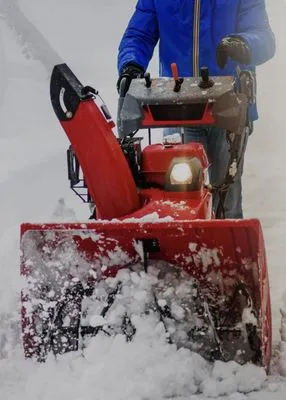
Blue Oasis Lawn is your trusted Rapid River partner for year-round outdoor maintenance, specializing in snow removal, lawn care, and gutter services. We understand the unique challenges local homeowne...
UP Tree Services is your local, experienced partner for tree care and property maintenance in Ishpeming and across Marquette County. Founded by Thomas Hendrickson, who brings nine years of specialized...
Seasonal Solutions is Marquette's trusted partner for year-round outdoor care, specializing in landscaping, gutter services, and snow removal. We understand the unique challenges faced by local homeow...
Spodeck is a Marquette-based, year-round property care specialist, trusted by local homeowners to protect and maintain their landscapes through every Upper Peninsula season. We understand the specific...
Estimated Landscaping Service Costs in Harris, MI
Frequently Asked Questions
What permits and licenses are needed for grading my 0.55-acre lot?
Grading projects exceeding 500 square feet require Menominee County Planning & Zoning permits for erosion control compliance. Contractors must hold Michigan LARA landscaping licensure for earth-moving operations on properties this size. These regulations ensure proper water management and neighbor protection during construction. Unlicensed work risks fines and invalidates property insurance for drainage-related damages.
What solutions exist for yard flooding and frost heave issues?
High water tables and seasonal frost heave are common in acidic sandy loam soils with poor drainage. Installing permeable hardscapes like crushed limestone increases surface infiltration by 40-60%. These materials meet Menominee County Planning & Zoning runoff standards while reducing soil saturation. Strategic grading and French drain systems further mitigate water accumulation near foundations.
How can I reduce maintenance while supporting local ecology?
Replacing high-input turf with native plants like Serviceberry and Wild Bergamot cuts mowing frequency and supports pollinators. These species thrive in Zone 4b conditions with minimal irrigation, aligning with electric equipment noise ordinances. Transitioning to xeriscaping principles decreases carbon emissions and enhances biodiversity. This approach future-proofs landscapes against evolving regulatory and climate pressures.
What invasive species threaten my Harris property, and how are they managed?
Japanese knotweed and garlic mustard pose significant risks in Michigan's acidic soils, outcompeting natives like Butterfly Weed. Treatment involves mechanical removal and targeted organic herbicides applied outside phosphorus-restricted fertilizer blackout dates. Integrated pest management strategies prevent soil contamination while complying with state environmental laws. Regular monitoring catches infestations before they establish deep root systems.
Why does my Harris Residential District lawn struggle despite regular care?
Properties built around 1974 have soil that has matured for over 50 years, leading to compaction in acidic sandy loam. This soil type naturally develops poor permeability, restricting root growth for Kentucky Bluegrass. Core aeration every 2-3 years with organic compost amendments improves soil structure and nutrient availability. Addressing this foundational issue reduces water runoff and enhances turf resilience.
How quickly can you respond to storm damage for HOA compliance?
Emergency cleanup crews dispatch from the Hannahville Indian Community Center via US-2, arriving within 20-30 minutes during peak conditions. This route optimizes access to the Harris Residential District while adhering to daylight noise ordinances. Teams prioritize safety assessments and debris removal to meet immediate property standards. Coordinated scheduling ensures efficient resource deployment across affected areas.
Are granite cobblestones better than wood for durable landscaping?
Granite cobblestones offer superior longevity with minimal maintenance compared to wood, which decays in 5-10 years. This material supports Zone 2 WUI fire-wise ratings by creating defensible space without combustible elements. Proper installation with permeable bases reduces heat island effects and meets erosion control requirements. Granite's durability ensures landscape integrity through freeze-thaw cycles common in USDA Zone 4b.
Should I worry about water restrictions with my irrigation system?
Harris is in a water-abundant zone with no municipal restrictions, but efficient water use remains critical. Smart Wi-Fi soil moisture sensor controllers adjust irrigation based on real-time ET rates and soil conditions. This technology prevents overwatering of Kentucky Bluegrass blends while maintaining turf health. Proper calibration conserves resources and aligns with 2026 sustainability benchmarks for residential landscapes.
