Top Landscaping Services in Hampton, MI, 48708 | Compare & Call
There are 140 landscaping companies server in Hampton MI

At K.P.M Contracting & Property Management, we bring a combined 65 years of hands-on experience to every job in Bay City. As an owner-operated company, we pride ourselves on providing reliable, high-q...
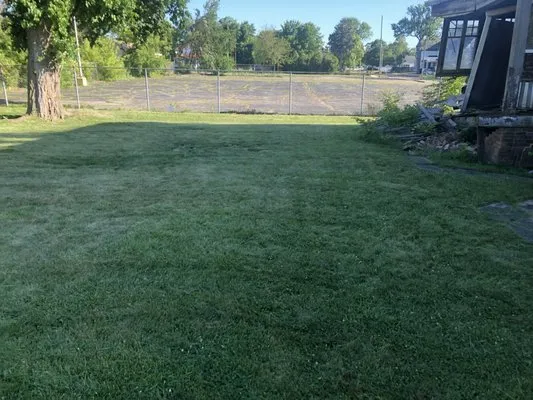
LB5 Lawncare Services is a locally owned and operated lawn care company based in Saginaw, Michigan. We specialize in providing customized lawn care plans tailored to the specific needs of your yard, y...

Total Lawn Care is a Bay City, MI-based lawn service company specializing in comprehensive lawn care and pet waste removal. We help local homeowners maintain healthy, beautiful yards by addressing com...
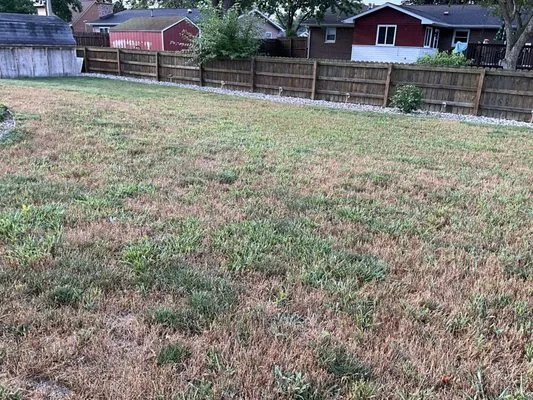
Serving Bay City, MI, Garpiel Landscaping provides comprehensive outdoor care year-round. Our team specializes in landscape maintenance, snow removal, and tree care services to keep your property heal...
Kolb Landscaping & Snow Removal is a trusted, full-service landscaping company serving Bay City, MI, and the surrounding areas. We specialize in comprehensive outdoor solutions, including landscape de...

Forever Green Lawn and Landscape is a Bay City, MI-based landscaping company dedicated to helping local homeowners maintain healthy, vibrant outdoor spaces. We specialize in addressing common local ch...
Felmlee Landscape Service has been a trusted part of the Bay City, MI community since 1998. Operating from their location at 85 Old Kawkawlin Rd, they provide a dependable range of landscaping solutio...
Turks Lawn & Landscaping is a Bay City-based company dedicated to preserving and enhancing the beauty and health of local landscapes. We understand the unique challenges homeowners face in our area, p...
Since 1988, Heinz Tree Service has been a trusted, family-owned resource for Bay City residents and businesses. We provide reliable tree care, from pruning and removal to comprehensive landscape maint...
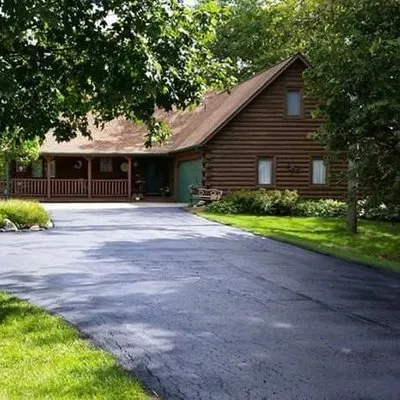
Norton's Sealcoating is a trusted, local contractor serving Bay City and the surrounding communities. We provide reliable asphalt maintenance and protection, specializing in sealcoating, hot rubber cr...
Estimated Landscaping Service Costs in Hampton, MI
Questions and Answers
How do I maintain Kentucky Bluegrass during Stage 1 water restrictions?
Wi-Fi ET-based weather sensing irrigation calculates evapotranspiration rates specific to Hampton's microclimate. The system automatically reduces watering by 25% during voluntary conservation periods while preserving turf health. Programming delivers 0.75 inches weekly across three cycles, maintaining soil moisture at 50% capacity. This approach meets municipal water limits while preventing dormancy in fine fescue blends during peak summer months.
Are permeable pavers better than wood for patio longevity?
Permeable concrete pavers maintain structural integrity for 25+ years versus wood's 8-12 year lifespan in Michigan's freeze-thaw cycles. Their 95% permeability rate manages runoff on 0.22-acre lots without additional drainage systems. Unlike wood, they require no chemical treatments that could affect soil pH. For fire-wise compliance in low-risk zones, pavers create defensible space when installed with 5-foot clearance from structures, reducing fuel continuity.
How quickly can you respond to storm damage for HOA compliance in Hampton?
Emergency cleanup crews dispatch from the Hampton Community Center within 15 minutes of notification. Using M-13 with optimized routing avoids peak congestion points near the historic district. Debris removal and safety stabilization typically complete within 20-30 minutes of arrival, meeting most HOA 24-hour compliance windows. The response prioritizes gas-powered equipment operation between 8:00 AM and 8:00 PM per local noise ordinances.
Can I reduce maintenance while complying with noise restrictions?
Replacing 40% of turf with native plantings like Butterfly Milkweed and Little Bluestem cuts mowing frequency by half. These species require no gas-powered equipment beyond initial establishment, aligning with 8:00 PM curfews on loud machinery. Wild Bergamot and New England Aster provide continuous bloom from June through October with 80% less water than traditional lawns. This transition supports 2026 biodiversity standards while reducing carbon emissions from maintenance fleets.
How do I control invasive species without violating fertilizer regulations?
Japanese knotweed and garlic mustard pose the highest risk in Hampton's urban interface. Manual removal during early growth stages prevents seed set without chemical intervention. For persistent infestations, spot-treat with glyphosate formulations containing no phosphorus, complying with Statewide Act 299 restrictions. Apply during dry periods in late spring when soil temperatures exceed 55°F for maximum efficacy. Always maintain 10-foot buffers from water features during treatment.
What permits and licenses are needed for grading my property?
Grading projects exceeding 100 cubic yards of soil movement require Hampton City Planning & Development Department approval for erosion control. Michigan LARA mandates licensed landscape architects for designs affecting drainage patterns on 0.22-acre parcels. Contractors must hold either a residential builder or maintenance/alteration license for work valued over $600. These regulations ensure proper slope stabilization and prevent downstream sedimentation in the historic district's shared watershed.
What solutions work for seasonal saturation in sandy loam soils?
Moderate seasonal saturation in pH 6.4 sandy loam requires graded swales with 2% slope directing water away from structures. Installing permeable concrete pavers increases surface infiltration rates to 10 inches per hour, reducing runoff by 70%. These systems meet Hampton City Planning & Development Department standards for stormwater management. French drains with clean gravel backfill provide additional subsurface drainage for persistent low-lying areas.
Why does my Hampton Historic District lawn have drainage issues and compacted soil?
Homes built around 1971 in this neighborhood have 55-year-old soil profiles. Slightly acidic sandy loam with pH 6.4 naturally compacts over decades, reducing permeability to 0.5 inches per hour. Core aeration with 3-inch depth spacing introduces oxygen channels, while incorporating 0.25 cubic yards of compost per 1000 square feet increases water retention by 15%. This addresses the low-lying silt pockets common in these lots.
