Top Landscaping Services in Gwinn, MI, 49841 | Compare & Call

There are 28 landscaping companies server in Gwinn MI
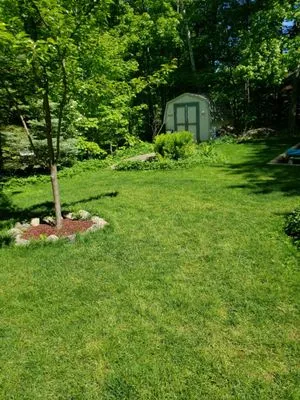
Fuller's Outdoor Maintenance
Fuller's Outdoor Maintenance is a locally owned and operated landscaping company serving homeowners across Marquette, MI. We provide comprehensive year-round services, including expert irrigation desi...

Busy Boys Home Solutions is a Marquette-based company founded by three Northern Michigan University student-athletes who combine their experience in landscaping, painting, construction, and maintenanc...

Rooted in Marquette since 1988, Nagelkirk Gardens is a local, family-owned business that brings deep horticultural knowledge and practical design to every project. Founded by Steve Nagelkirk, whose jo...
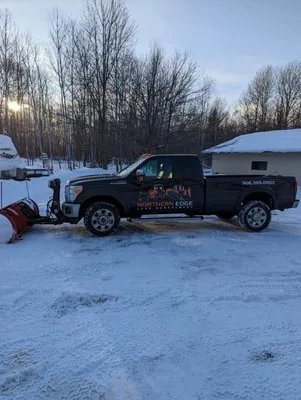
Northern Edge Land Management is a veteran-owned, family-operated landscaping and construction company based in L'Anse, MI, serving the Upper Peninsula with over 13 years of commercial construction ex...
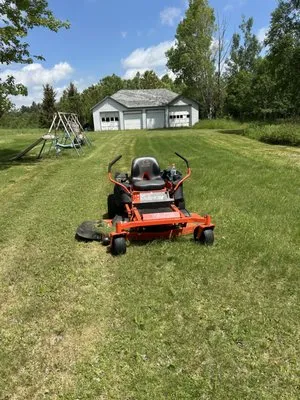
Nylander Lawn Care provides essential lawn services for homeowners in Ishpeming, MI. We specialize in routine lawn care to maintain healthy, vibrant grass, but our expertise is particularly valuable f...
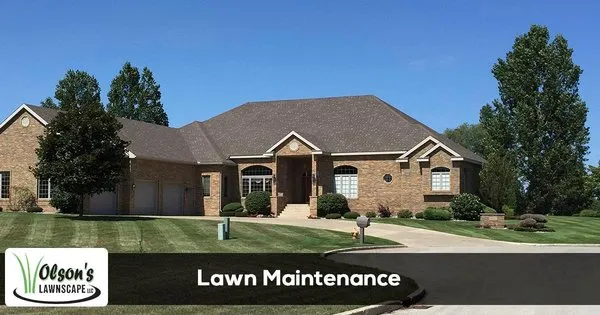
Olson's Lawnscape is Marquette, MI's trusted partner for year-round property care. We help local homeowners tackle common Upper Peninsula challenges like overgrown shrubs and failing irrigation timers...

Superior Land Prep and Snow Removal
For over two decades, Superior Land Prep and Snow Removal has been the trusted local choice for Negaunee homeowners. Our foundation is built on 24 years of construction and landscaping experience, whi...

Blue Oasis Lawn is your trusted Rapid River partner for year-round outdoor maintenance, specializing in snow removal, lawn care, and gutter services. We understand the unique challenges local homeowne...
UP Tree Services is your local, experienced partner for tree care and property maintenance in Ishpeming and across Marquette County. Founded by Thomas Hendrickson, who brings nine years of specialized...
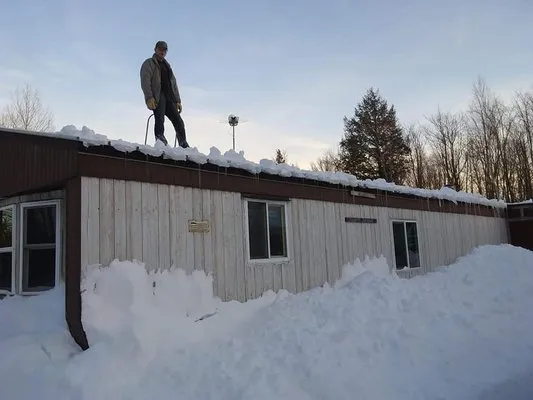
Kyle's Home Works is a trusted local lawn care and snow removal service based in Gwinn, MI, dedicated to helping homeowners maintain healthy, attractive outdoor spaces year-round. Many Gwinn residents...
Estimated Landscaping Service Costs in Gwinn, MI
Question Answers
What permits and credentials should I verify before hiring for major landscaping work?
For any significant grading, drainage, or structural work on a 0.35-acre lot, verify the contractor holds a license from the Michigan Department of Licensing and Regulatory Affairs (LARA). Projects involving substantial earth movement, retaining walls over a certain height, or altering stormwater flow will likely require a permit from the Forsyth Township Planning & Zoning Department. Using an unlicensed individual can result in code violations, fines, and work that fails to address our specific soil and frost heave challenges, leaving you with liability and property damage.
Why does my lawn have thin, compacted soil and struggle to grow?
Your 1972-built home in the Gwinn Residential Core sits on a soil profile with over 50 years of maturity, resulting in a highly compacted acidic sandy loam. This common soil type in our area has a low pH (5.5-6.2) and minimal organic matter, which restricts root growth and nutrient availability for your Kentucky Bluegrass. To correct this, we recommend core aeration in early fall followed by top-dressing with compost to improve soil structure and gradually raise the pH. This foundational work is more critical than fertilizer for establishing a resilient turf.
What are the biggest threats to my lawn and garden health here?
In Gwinn, invasive species like Spotted Knapweed and Leafy Spurge pose a significant alert, outcompeting natives and degrading soil. Treatment requires targeted, non-chemical methods like manual removal or approved organic herbicides to protect local waterways, in strict compliance with statewide Phosphorus restrictions. Furthermore, the acidic sandy loam often lacks essential mycorrhizae. Incorporating bio-stimulants and compost during the early May mulching peak can build soil biology and suppress weeds without violating fertilizer ordinance blackout dates near water bodies.
I'm tired of weekly mowing. Are there lower-maintenance options?
Yes, transitioning high-input turf areas to a native plant palette is a forward-thinking solution. Species like Wild Bergamot, Canada Columbine, and Common Milkweed are adapted to our Zone 4b climate and acidic soils, requiring no fertilization, minimal watering, and infrequent cutting. This xeriscaping approach significantly reduces the need for gas-powered mowers and blowers, aligning with evolving noise ordinance trends. It also creates critical habitat, supporting local biodiversity and building a more resilient, self-sustaining landscape.
Should I use local fieldstone or wood for a new patio and fire pit area?
Local fieldstone and concrete pavers are superior for longevity and safety in our climate. Wood requires constant treatment against rot and insect damage, whereas stone withstands freeze-thaw cycles and frost heave with minimal maintenance. From a fire safety perspective, stone is non-combustible and essential for creating the defensible space required in Moderate (WUI Zone 2) fire risk areas. A properly installed stone patio also manages water runoff more effectively than impervious surfaces, contributing to a safer and more durable landscape infrastructure.
Is a smart irrigation system worth it if we don't have water restrictions?
Absolutely. Even with voluntary conservation in Gwinn, smart Wi-Fi soil moisture sensors are a key investment for long-term turf health and resource efficiency. These systems apply water based on actual evapotranspiration (ET) and soil conditions, not a fixed schedule. This prevents overwatering your sandy loam, which has high permeability and leads to waste. Precise irrigation supports your Fine Fescue mix by encouraging deeper roots and reducing disease pressure, all while keeping your water usage well within sustainable municipal limits.
How quickly can you respond to an emergency like a downed tree after a storm?
For urgent situations like storm debris or HOA compliance deadlines, we prioritize a rapid dispatch. Our crew routing from the Gwinn Model Town Hall uses M-35 for primary access to the residential core. Given typical post-storm traffic and debris, we plan for a 45-60 minute arrival window during peak response times. We maintain a fleet of electric chippers and hauling vehicles to comply with noise ordinances while enabling quick mobilization for critical cleanup and safety hazards on your property.
Water pools in my yard every spring, then it's bone dry. What's wrong?
This cycle is typical for acidic sandy loam in USDA Zone 4b. The soil has high permeability, but seasonal frost heave from our cold winters creates an impermeable layer that causes spring surface runoff. Once thawed, water drains too quickly, causing summer dryness. The solution involves regrading to direct water away from foundations and installing French drains with clean gravel. Using permeable local fieldstone or concrete pavers for any new patios can also improve infiltration and meet Forsyth Township Planning & Zoning Department's runoff management standards.
