Top Landscaping Services in Grosse Pointe Farms, MI, 48236 | Compare & Call
There are 206 landscaping companies server in Grosse Pointe Farms MI

Joshua Cutting Inc. is a trusted local handyman and landscaping business serving Warren, MI, and surrounding communities. We specialize in a wide range of services, from handyman cleaning and lawn car...
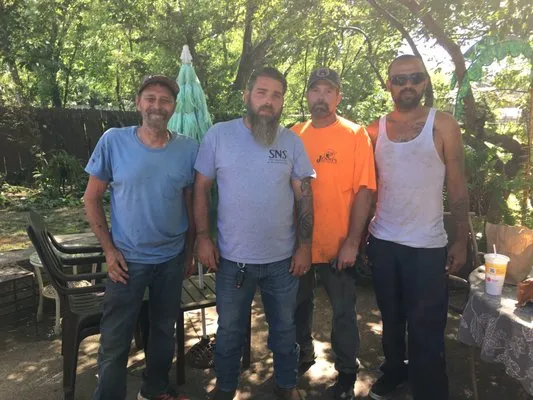
Birchwood Tree Service
Birchwood Tree Service is a trusted, locally-owned provider serving Sterling Heights, MI, with comprehensive tree care, landscaping, and snow removal services. We understand the unique challenges of o...
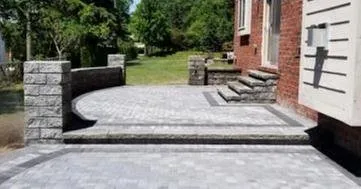
C&J Bush Building and Landscaping is a family-owned business with deep roots in Roseville, MI, spanning over 50 years. It began when the founder sought to earn extra income by working on new homes aft...
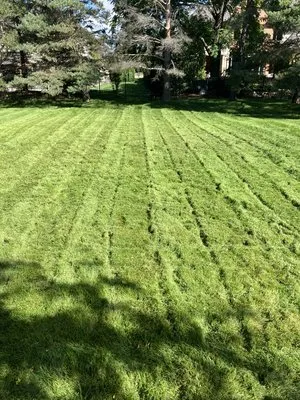
Lawn For Life is a dedicated lawn service provider based in Eastpointe, MI, focused on helping local homeowners maintain healthy, attractive outdoor spaces. We offer reliable lawn mowing, precise hedg...
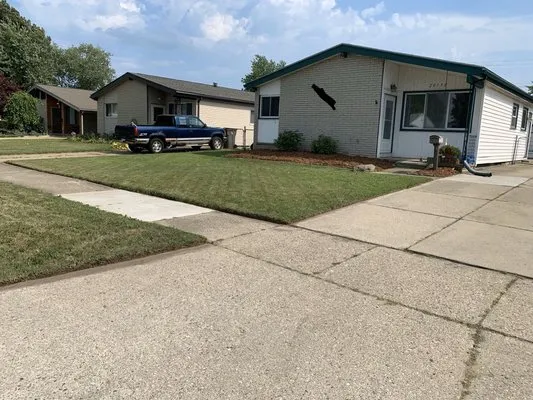
Always There Lawn Care is a family-run landscaping service in Roseville, MI, founded by a father who wanted to build a business that supports his family while teaching his children responsibility and ...
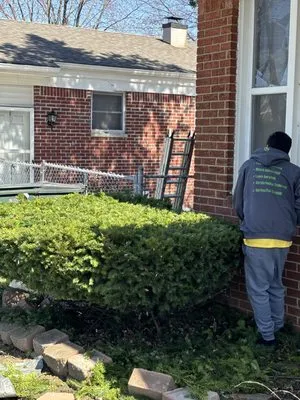
Green Rhino Lawn Care is a family-owned lawn care service based in St. Clair Shores, MI, dedicated to providing reliable and personalized outdoor maintenance for local residents. With expertise in law...
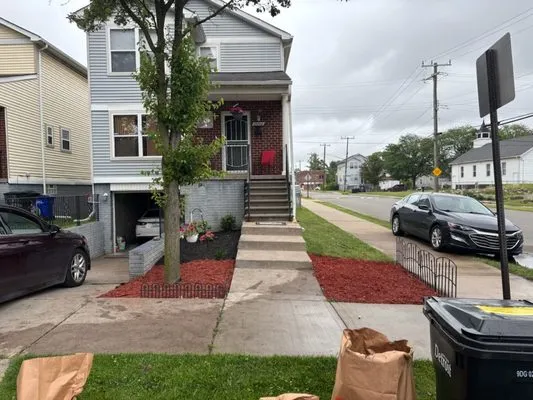
M&O Landscaping is a Detroit-based company dedicated to transforming outdoor spaces into beautiful, functional environments for Michigan homeowners. Our team specializes in comprehensive landscaping s...
Nautical Mile Lawn Care is your local, trusted partner for a healthier lawn in Saint Clair Shores, MI. We understand the unique challenges homeowners face along the Nautical Mile, particularly soil co...
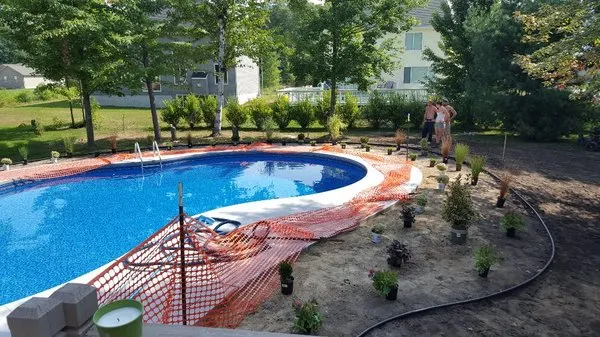
JSM Landscaping is a full-service Fort Gratiot landscaping and masonry contractor serving the Blue Water Area. We combine expertise in landscape construction, hardscaping, and ongoing maintenance to c...
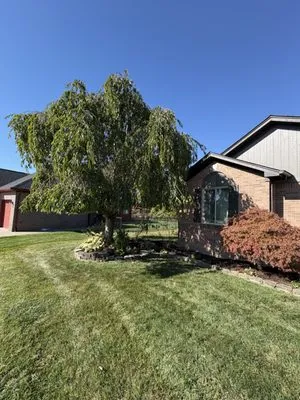
J&B Landscaping is a full-service lawn and landscape company serving New Baltimore, MI, dedicated to keeping outdoor spaces looking their best year-round. We combine professional expertise with person...
Estimated Landscaping Service Costs in Grosse Pointe Farms, MI
Question Answers
Can I reduce mowing frequency while maintaining property aesthetics?
Replacing 30-40% of Kentucky Bluegrass turf with native plantings like Common Milkweed, Wild Bergamot, and Little Bluestem reduces mowing requirements from weekly to monthly. These deep-rooted perennials thrive in Zone 6b without irrigation after establishment, cutting fuel consumption by 60%. This transition aligns with coming electric equipment mandates under noise ordinance revisions, eliminating gas-blower use during restricted hours.
How do I control invasive species without violating fertilizer regulations?
Japanese knotweed and garlic mustard pose the highest invasion risk in Grosse Pointe Farms' established landscapes. Treatment involves targeted glyphosate applications during active growth phases, avoiding the Michigan NREPA phosphorus ban blackout dates of April 1-June 1. Manual removal before seed set in late summer, combined with mycorrhizae-enhanced native plantings, creates competitive exclusion without synthetic fertilizer dependence.
What permits and licenses are required for grading my 0.25-acre lot?
Grading exceeding 100 cubic yards on 0.25-acre lots requires a Grosse Pointe Farms Building Department permit with engineered drainage plans. Contractors must hold Michigan LARA landscaping license #640 for earth moving over 30 cubic yards, plus separate certification for erosion control installation. This ensures compliance with National Pollutant Discharge Elimination System requirements for sediment runoff into Lake St. Clair watersheds.
Why does my Grosse Pointe Farms lawn have drainage issues and compacted soil?
Properties in The Hill neighborhood with 1947-era construction have Brookston Loam soil that has matured for 79 years. This extended timeline allows clay particles to settle and compact, reducing permeability to 0.25 inches per hour. Core aeration with organic amendments like composted leaf mold addresses this by creating channels for oxygen and water movement while maintaining the soil's natural pH range of 6.8-7.2.
How quickly can you respond to emergency storm damage for HOA compliance?
Emergency cleanup crews dispatch from Pier Park via I-94, reaching The Hill neighborhood within 20-30 minutes during peak conditions. This routing prioritizes arterial access while accounting for Grosse Pointe Farms' restricted equipment hours of 7am-9pm weekdays. Response includes debris removal, branch trimming, and temporary erosion control to meet municipal visual standards within the same business day.
Are clay brick pavers better than wood for patio longevity?
Clay brick pavers offer 50+ year lifespan versus wood's 15-20 years, with zero rot susceptibility in Michigan's freeze-thaw cycles. Their non-combustible nature maintains Low Fire Wise rating compliance by creating defensible space without fuel loading. Properly installed with geotextile underlayment, brick pavers resist frost heave in Brookston Loam while providing 8,000-10,000 PSI load capacity for vehicle access if needed.
How do I maintain my Kentucky Bluegrass lawn during voluntary water conservation?
Wi-Fi ET-based weather sensing irrigation calculates evapotranspiration rates specific to Grosse Pointe Farms' microclimate. This system delivers 0.75-1.0 inches weekly during peak growth, matching turf requirements while reducing municipal water use by 25-30%. Programming adjusts for Stage 0 voluntary conservation by skipping cycles after measurable rainfall, preserving soil moisture in Brookston Loam's clay structure.
What solutions prevent seasonal ponding in my low-lying yard?
Seasonal ponding in Brookston Loam results from high clay content reducing percolation below 0.3 inches per hour. Installing permeable clay brick pavers with ⅜-inch joints filled with polymeric sand creates 15-20% surface permeability. This meets Grosse Pointe Farms Building Department runoff standards by directing water to French drains or dry wells, eliminating standing water within 24 hours post-precipitation.
