Top Landscaping Services in Greenville, MI, 48838 | Compare & Call
There are 67 landscaping companies server in Greenville MI
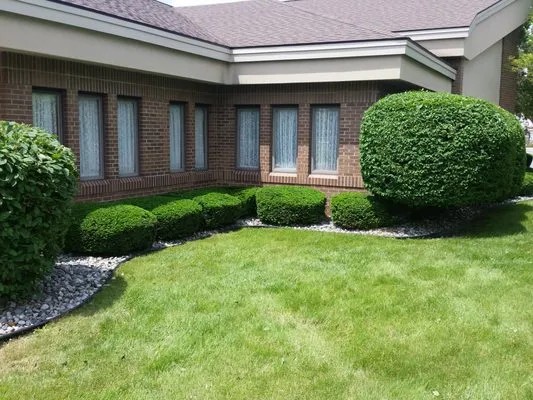
Cutting Edge Lawncare & Snow Removal has been serving Carson City, MI since 2013, becoming a fully licensed and insured LLC in 2016-17. Founded on a genuine passion for creating beautiful, functional ...
Tegridy Lawncare is your local Greenville, MI partner for a healthy, resilient lawn. We understand the specific challenges homeowners face here, including landscape edging damage from weather and wear...
Hopkins Lawn Care & Snow Removal
Hopkins Lawn Care & Snow Removal is a Sheridan-based business specializing in comprehensive landscaping, gardening, and snow removal services for local homeowners. We address common local issues like ...
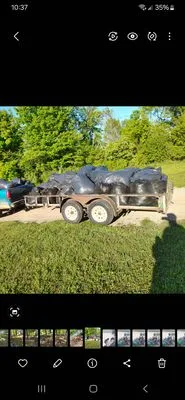
Swift Cuts Lawn Care is your trusted Greenville neighbor for reliable lawn services. We specialize in tackling the common local issues of dead lawn patches and overgrown shrubs that can detract from y...
Freshcut Lawncare & Snowplowing is a dedicated Greenville, MI lawn service provider focused on solving the area's most common landscaping challenges. We specialize in combating the persistent lawn mos...

Scarberry Lawncare and Plowing is your trusted local partner for keeping your Gowen property looking its best year-round. We understand the specific challenges homeowners in our area face, such as per...
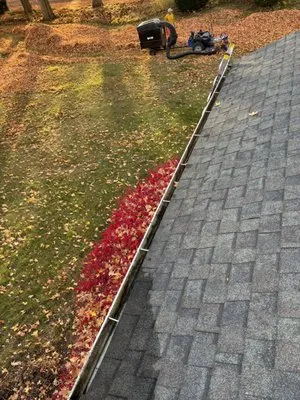
Stew’s Lawn Care is a dedicated local service provider in Edmore, MI, focused on reliable lawn and exterior maintenance. We work flexible hours to accommodate busy schedules and are committed to deliv...
Estimated Landscaping Service Costs in Greenville, MI
Common Questions
Our yard stays soggy long after rain. What's causing this, and how do we fix it?
Seasonal saturation is a common hazard in Greenville due to a high water table interacting with sandy loam soils. While this soil type drains moderately well, compaction slows percolation. Solutions include regrading to create positive drainage away from foundations and installing French drains. For new hardscape, specifying permeable concrete pavers or an open-graded crushed limestone base can significantly improve surface infiltration, often a requirement for runoff management under City of Greenville Planning and Zoning standards.
What invasive plants should we watch for, and how do we remove them safely?
In Greenville, watch for aggressive invasives like Garlic Mustard and Japanese Knotweed, which outcompete natives like Black-eyed Susan and Common Milkweed. Manual removal for seedlings and targeted, systemic herbicide application for mature stands are effective. All herbicide use must follow the local phosphorus-free fertilizer ordinance, especially near any water bodies, and avoid application during peak spring growth of desirable plants to prevent collateral damage.
We have an urgent HOA compliance issue requiring debris cleanup. What's your fastest response?
An emergency cleanup dispatch from our central staging at Tower Riverside Park uses M-57 for direct access to the Historic District. This routing allows a 20-30 minute peak response time. Our fleet includes electric-powered blowers and sweepers, ensuring we can operate effectively within the local noise ordinance hours of 7 AM to 9 PM. We prioritize these calls to meet strict HOA deadlines for property appearance and safety.
Are concrete pavers a better long-term choice than wood for a new patio?
For longevity and low maintenance in Michigan's climate, concrete pavers outperform wood. They resist frost heave, do not rot, and require no sealing or staining. From a Firewise perspective, a paver or crushed limestone hardscape provides critical non-combustible defensible space, an important consideration for Greenville's Moderate Firewise USA rating. This inert material also avoids the thermal degradation and insect damage that plagues wooden structures.
We want to reduce mowing and gas-powered equipment use. What are our options?
Transitioning high-maintenance turf areas to a native plant community is a forward-looking strategy. Species like Little Bluestem, Wild Bergamot, and Serviceberry are adapted to Zone 5b conditions, requiring no weekly mowing, minimal watering, and no gas-powered leaf blowers. This approach aligns with evolving noise ordinances and provides superior habitat, supporting 2026 biodiversity goals. It also reduces your property's fuel consumption and maintenance footprint significantly.
Our yard's soil seems thin and tired. What's likely going on, and what can we do?
Greenville Historic District lots, with an average house age of 1966, have 60-year-old soils. This soil maturity means the original sandy loam topsoil has often degraded through compaction and organic matter depletion. The soil's natural pH of 6.2-6.8 is favorable, but decades of standard lawn care reduce permeability and microbial life. Core aeration and amending with composted leaf mulch are essential to rebuild soil structure and water-holding capacity, directly addressing the compaction common in neighborhoods of this era.
What should we verify before hiring someone for significant grading or drainage work?
Any grading or drainage alteration on a 0.22-acre lot requires verified expertise. Confirm the contractor holds appropriate licensing through the Michigan Department of Licensing and Regulatory Affairs (LARA). Furthermore, the City of Greenville Planning and Zoning Department often requires permits for regrading that modifies water flow or impacts property lines. Using an unlicensed contractor for this work can result in code violations, improper drainage that harms neighboring properties, and significant liability.
How do we keep our Kentucky Bluegrass lawn healthy without wasting water?
Despite no official restrictions, Greenville's Standard Conservation Protocols demand efficient water use. Smart Wi-Fi soil moisture sensor controllers are the solution, providing ET-based irrigation. These systems water only when the root zone of your grass mix requires it, preventing over-saturation from our high water table. This technology maintains turf health while reducing municipal water consumption by an average of 30-40% compared to traditional timer systems.
