Top Landscaping Services in Grayling, MI, 49738 | Compare & Call

There are 21 landscaping companies server in Grayling MI
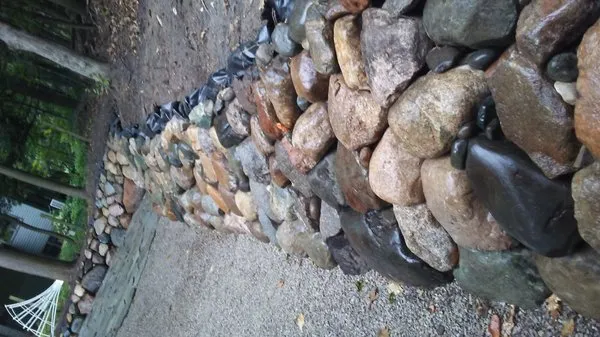
W&K Landscaping is a Kalkaska-based landscaping company founded and operated by Westley, a dedicated landscape designer with over five years of experience. We specialize in transforming outdoor spaces...
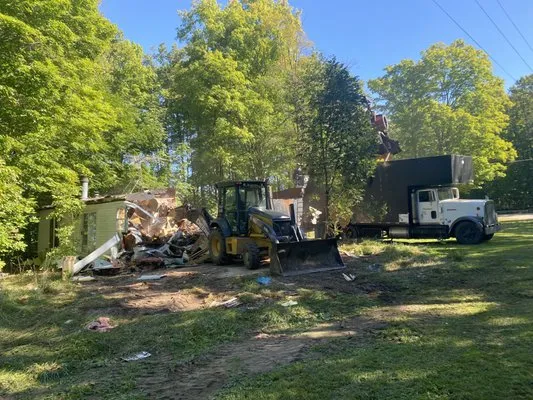
The Mullet Express is a locally owned and operated business in West Branch, Michigan, specializing in the full spectrum of site transformation. We offer a unique combination of demolition, excavation,...
P and F Services is a licensed and insured family-owned business in Gaylord, MI, with deep roots in handyman, landscaping, and roofing work. Founded by someone who grew up doing this type of work, the...
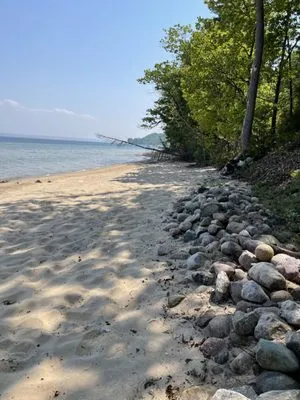
1st Cor Maintenance is a local lawn care and basic maintenance provider in Mancelona, MI, dedicated to serving homeowners with reliable, value-driven service. We focus on integrity, honor, courage, an...

Luik Total Services L.L.C. is a Kalkaska-based property management company with over a decade of local experience, established in 2011 and operating as an LLC since 2014. We provide comprehensive comm...
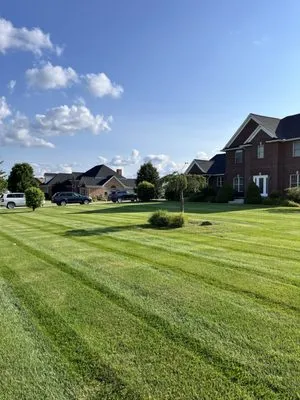
Hunt's Property Services is a trusted Houghton Lake, MI business specializing in comprehensive lawn care and snow removal solutions. We understand the unique challenges of our local climate, including...
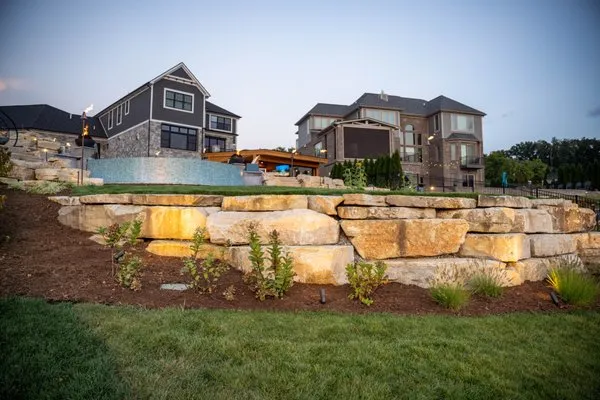
Todd's Services is your local partner for enhancing outdoor spaces in Indian River, MI, and across Northern Michigan. We serve residential and commercial clients in Gaylord, Grayling, Alpena, Petoskey...

Robert's Lawn Service is a trusted local provider in Kalkaska, MI, specializing in comprehensive lawn care solutions tailored to the unique challenges of Northern Michigan properties. We understand th...

Keeler Lawn Care and Snow Removal is a trusted local provider serving Houghton Lake, MI, specializing in comprehensive lawn care and reliable snow removal services. We understand the unique challenges...
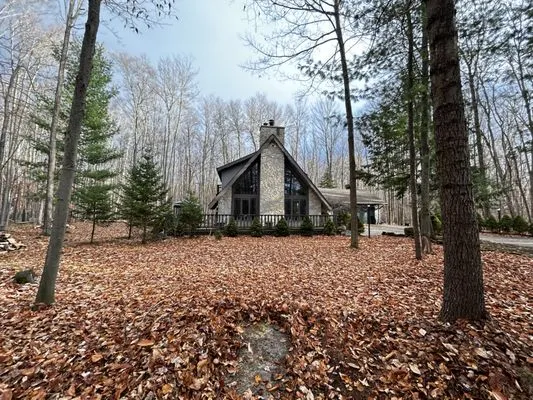
Michigan Estates Landscaping & Property Services provides expert landscaping and property care for Gaylord and the surrounding areas. Specializing in tree services, landscape construction, and compreh...
Estimated Landscaping Service Costs in Grayling, MI
Question Answers
Our yard has standing water after heavy rains despite sandy soil. What drainage solutions work here?
Sandy loam spodosols in Grayling exhibit high initial infiltration but can develop surface compaction layers that impede drainage. Installing French drains with gravel beds or creating shallow swales redirects water flow effectively. Using permeable crushed limestone for pathways instead of solid concrete meets Crawford County Building Department runoff standards by allowing water infiltration. For severe cases, dry wells connected to downspouts provide subsurface storage that gradually releases water.
How do we maintain Kentucky Bluegrass and Fine Fescue turf with Grayling's water conservation standards?
Smart Wi-Fi ET-based weather sensing irrigation systems automatically adjust watering schedules based on evapotranspiration rates and precipitation data. These systems typically reduce water use by 20-30% compared to traditional timers while preserving turf health. Programming deep, infrequent watering (0.5-1 inch weekly) encourages deeper root growth in sandy loam soils. The system stays within municipal water limits by skipping cycles after rainfall and reducing output during cooler periods.
We want to reduce mowing and gas equipment noise. What native alternatives work in our yard?
Replacing high-maintenance turf with native plant communities significantly reduces maintenance needs. Common Milkweed, Little Bluestem, Wild Bergamot, and Butterfly Weed thrive in USDA Zone 4b conditions with minimal irrigation once established. These deep-rooted perennials improve soil structure and support local pollinators. Transitioning to electric maintenance equipment ahead of potential gas-blower restrictions aligns with noise ordinance considerations while reducing carbon emissions.
Should we use wood or crushed limestone for our new patio considering fire safety?
Crushed limestone and concrete pavers offer superior longevity (20+ years versus 10-15 for wood) and require less maintenance in Grayling's climate. For moderate Wildland-Urban Interface fire risk areas, non-combustible materials create defensible space by eliminating fuel sources near structures. Permeable installation methods with gravel bases further reduce fire risk while managing stormwater. Concrete pavers with polymeric sand joints provide stability without the decay issues of wood in Michigan's freeze-thaw cycles.
We need emergency storm cleanup to meet HOA compliance by tomorrow. How quickly can a crew arrive?
Emergency crews dispatch from Grayling City Park with equipment staged for rapid response. Using I-75 access, arrival time to Grayling City Center is 20-30 minutes during peak conditions. The crew carries electric chainsaws and mulchers to comply with standard noise ordinances (quiet hours 10 PM-7 AM). All debris is processed on-site into mulch or hauled to approved facilities, with documentation provided for HOA verification.
Do we need permits to regrade our 0.25-acre lot for better drainage?
Yes, significant grading work on a 0.25-acre lot requires Crawford County Building Department permits to ensure proper stormwater management and prevent neighbor impact. Michigan Department of Licensing and Regulatory Affairs (LARA) requires contractors performing earthmoving to hold appropriate licensing, particularly when work affects drainage patterns or involves more than 50 cubic yards of material. Unpermitted grading can result in fines and mandatory restoration, especially in areas with existing drainage concerns.
Our Grayling City Center yard seems to drain too fast and grass struggles. Could this be related to our 1955-built home's soil?
Yes, soil maturity calculations indicate 71 years of development since 1955, which has compacted the original sandy loam spodosol common in this neighborhood. This soil type naturally has high infiltration but low water retention, exacerbated by decades of foot traffic and minimal organic matter addition. Core aeration every 2-3 years and incorporating 2-3 inches of compost can improve soil structure and moisture retention. The pH range of 5.5-6.5 is suitable for most plants but may require lime adjustments if acidification occurs from conifer needle drop.
We've spotted invasive garlic mustard spreading. How do we treat it without violating fertilizer regulations?
Garlic mustard requires immediate manual removal before seed set in late spring, with roots completely extracted to prevent regrowth. For established patches, targeted glyphosate applications in fall when natives are dormant minimize collateral damage. These treatments avoid the statewide phosphorus ban on turf fertilizer as they're herbicides, not fertilizers. Always check Michigan Department of Agriculture blackout dates for specific chemical applications, though most invasive treatments fall outside restricted periods.
