Top Landscaping Services in Garfield, MI, 49684 | Compare & Call
There are 141 landscaping companies server in Garfield MI
Terra Bella Landscape is a Traverse City-based landscape design and installation company serving Northern Michigan with comprehensive services. We specialize in creating custom outdoor spaces through ...

Bear Foot Lawn & Landscaping is a Traverse City-based lawn care provider dedicated to keeping local landscapes healthy and vibrant. We specialize in comprehensive lawn maintenance, addressing common N...
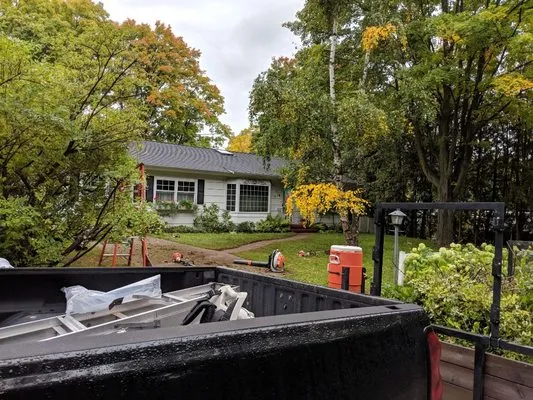
Premier Outdoors is a Traverse City-based, licensed and insured landscaping company with over 15 years of experience serving both residential and commercial properties. We provide a comprehensive rang...
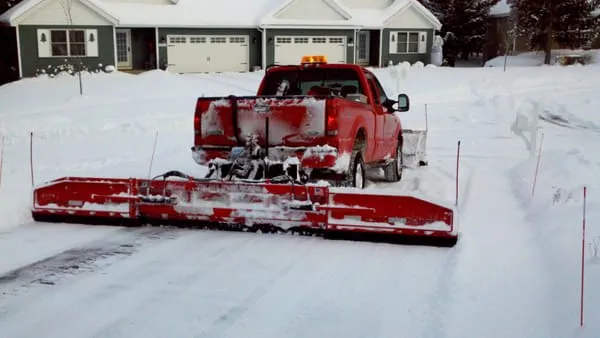
Landgreen Lawncare is a trusted, locally-owned lawn and snow removal service that has been caring for Traverse City properties since 1995. We provide dependable, year-round maintenance for both homes ...
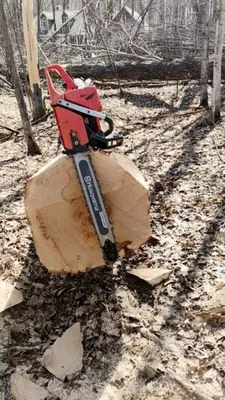
Carrier's Outdoor Maintenance
Carrier's Outdoor Maintenance is a full-service landscaping, tree care, and snow removal company serving Beulah and the surrounding Benzie County area. We provide year-round property care, from firewo...
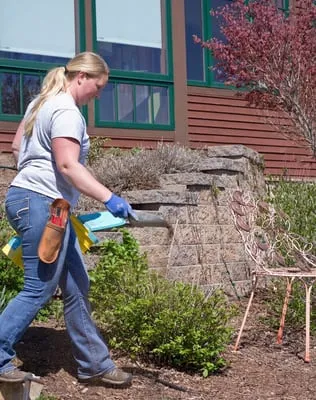
The Mossy Tree in Traverse City, MI, is a licensed and insured garden maintenance and landscape renovation company specializing in environmentally friendly practices for Northern Michigan. Founded by ...
Accurate Outdoor
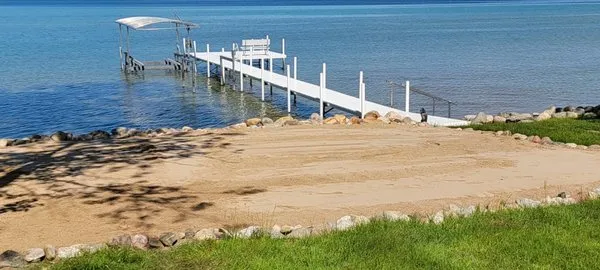
Accurate Outdoor is a Traverse City-based landscaping and construction company specializing in comprehensive outdoor solutions for local homeowners. We address common regional challenges like persiste...
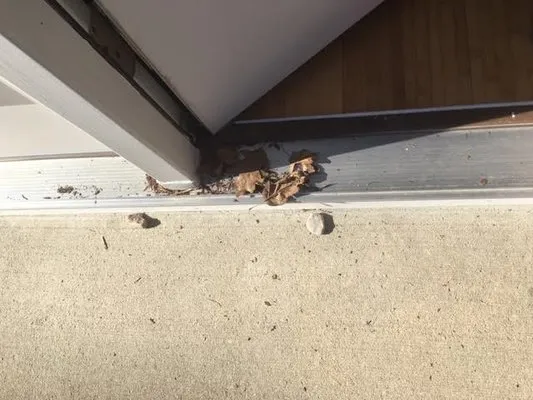
Great Lakes Lawn & Landscapes is your trusted Traverse City partner for resolving common Northern Michigan yard challenges. We specialize in tackling the storm debris cleanup that follows Lake Michiga...
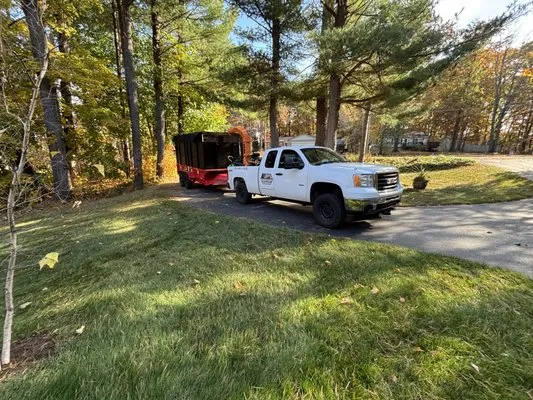
Westons Property Service is a locally owned and operated lawn care and tree service company proudly serving Interlochen, MI, and the surrounding Traverse City area. We specialize in comprehensive prop...
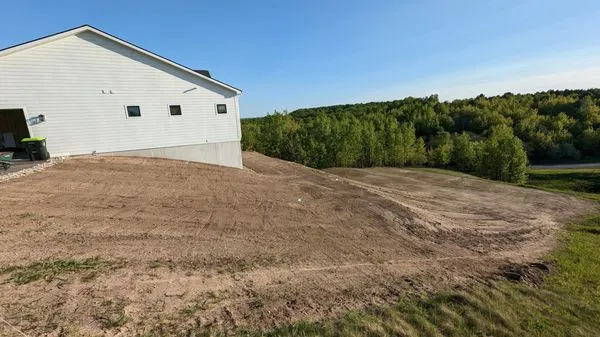
Tom's Total Outdoor Maintenance Service is a Traverse City-based landscaping company dedicated to keeping Northern Michigan yards healthy and beautiful. We specialize in addressing common local issues...
Estimated Landscaping Service Costs in Garfield, MI
Question Answers
What permits and licenses are required for grading work on my 0.35-acre lot?
Grading projects altering more than 100 square feet require Garfield Township Planning Department permits to ensure proper drainage and erosion control. Contractors must hold Michigan LARA landscaping licenses for earthmoving operations exceeding 500 cubic yards. Professional licensing verifies competency in soil mechanics and runoff management critical for sandy loam sites. Unlicensed grading can violate municipal codes and create liability for downstream water issues on adjacent properties.
How quickly can you respond to emergency storm damage for HOA compliance?
Emergency cleanup crews dispatch from the Grand Traverse Mall area via US-31, arriving within 25-35 minutes during peak response times. This routing avoids residential congestion while maintaining compliance with Garfield's 8:00 AM to 8:00 PM noise ordinance. Crews prioritize safety assessments before debris removal, focusing on downed branches and drainage blockages. Electric equipment minimizes noise during extended cleanup operations while meeting neighborhood standards.
Why does my lawn have drainage issues and compacted soil in Garfield Township Center?
Garfield Township Center lots were developed around 1987, giving soils approximately 39 years to mature. Sandy loam soil with pH 6.2-6.8 naturally compacts over time, reducing permeability and creating seasonal high water tables. Core aeration every 1-2 years improves soil structure by creating channels for water and air movement. Adding organic amendments like compost increases water retention in sandy soils while maintaining proper drainage. This addresses the moderate runoff common in established neighborhoods with similar construction timelines.
What solutions address moderate runoff in Garfield's sandy loam soils?
Sandy loam's moderate permeability requires strategic drainage interventions to manage seasonal high water tables. Permeable concrete pavers and crushed limestone hardscapes allow water infiltration while meeting Garfield Township Planning Department runoff standards. French drains with proper grading redirect surface water away from foundations. Rain gardens planted with native species like Little Bluestem provide biological filtration, reducing stormwater volume entering municipal systems.
How do smart irrigation systems work with Garfield's water conservation guidelines?
Smart Wi-Fi ET-based controllers calculate evapotranspiration rates using local weather data, adjusting watering schedules automatically. This maintains Kentucky Bluegrass and Fine Fescue blends while operating within Stage 0 voluntary conservation parameters. Systems typically reduce water use 20-30% compared to traditional timers by eliminating unnecessary irrigation during rainfall. Proper programming accounts for sandy loam soil's drainage characteristics, preventing overwatering that contributes to seasonal high water tables.
What invasive species threaten Garfield landscapes and how are they managed?
Japanese knotweed and garlic mustard present significant risks in Michigan's Zone 5b, spreading rapidly through sandy loam soils. Treatment involves targeted herbicide applications during active growth phases, avoiding statewide phosphorus prohibition blackout dates. Mechanical removal before seed set prevents further infestation without violating fertilizer ordinances. Regular monitoring identifies new invasions early, when manual removal remains effective and minimizes chemical intervention.
Can I reduce maintenance while preparing for electric equipment requirements?
Replacing high-maintenance turf with native plantings like Butterfly Milkweed, Wild Bergamot, and Black-eyed Susan creates resilient landscapes requiring minimal intervention. These species thrive in USDA Zone 5b with established root systems that survive drought periods. Transitioning to electric maintenance fleets aligns with evolving noise ordinances while reducing carbon emissions. Native plant communities support pollinators and require no gas-powered blowers for leaf management in fall.
How do concrete pavers compare to wood for durability in Garfield's climate?
Concrete pavers and crushed limestone offer superior longevity to wood in Michigan's freeze-thaw cycles, with 25+ year lifespans versus wood's 10-15 years. These materials maintain structural integrity without seasonal warping or rot common in moist conditions. For properties with Moderate Wildland-Urban Interface ratings, non-combustible hardscapes create defensible space by interrupting fuel continuity. Proper installation with permeable bases addresses drainage while withstanding heavy use.
