Top Landscaping Services in Garden City, MI, 48135 | Compare & Call
There are 195 landscaping companies server in Garden City MI
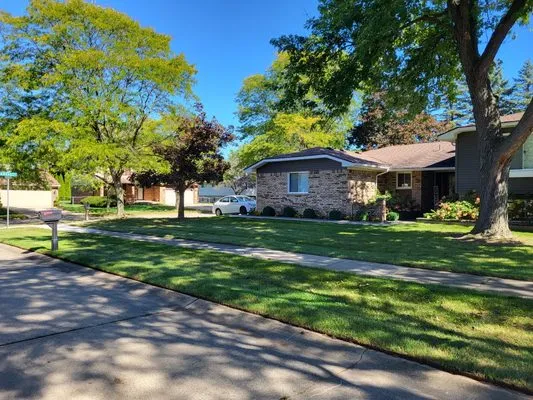
Model Landscapes is a trusted, family-owned lawn care and snow removal service based in Plymouth, MI. With over 20 years of dedicated experience in the local lawn and landscape industry, our licensed ...
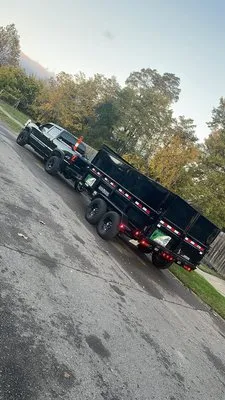
Salcido & Sons is a trusted, family-owned lawn care provider serving Detroit, MI, with decades of experience addressing the unique landscaping challenges of local homes. We specialize in comprehensive...
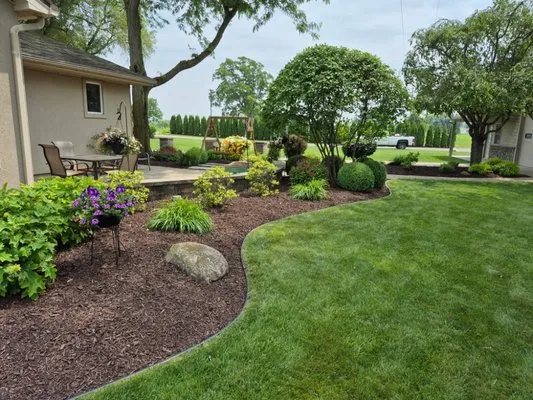
Old Town Landscape is a professional design-build firm that has been a trusted name in Monroe and Southeast Michigan for over 45 years. We combine deep local knowledge with extensive experience to man...
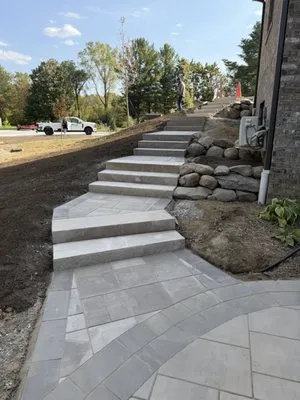
Machos Landscaping is a full-service Detroit landscape company helping homeowners transform their outdoor spaces. We specialize in comprehensive care, from routine lawn maintenance and shrub health to...
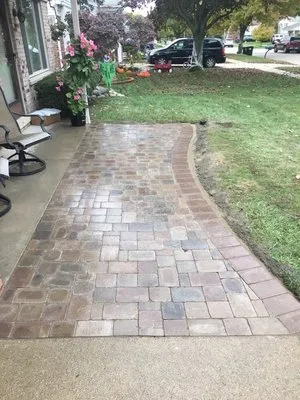
JQLS Lawn & Landscape is a locally owned and operated business with deep roots in Allen Park. Founded in 1992 as John's Quality Lawn Service, the company has grown from a neighborhood lawn care operat...
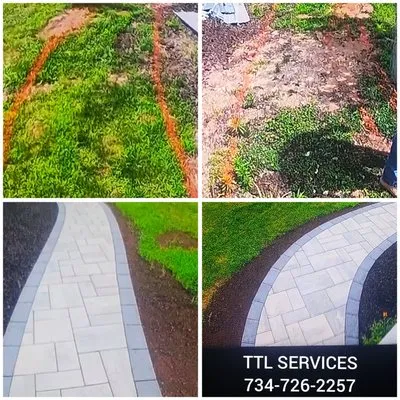
Based in Garden City, TTL Services is a trusted local expert for lawn care, tree health, and artificial turf solutions. Many homes in our community face common landscaping challenges like dying shrubs...
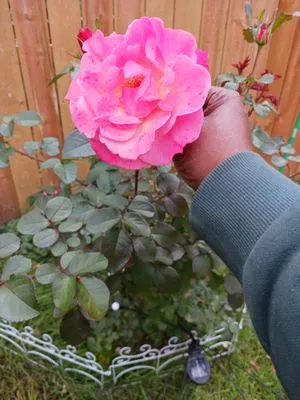
Massab Acres Greenhouse & Nursery is a family-owned destination in Taylor, MI, offering acres of plants, expert guidance, and full-service landscaping. More than just a source for annuals, perennials,...
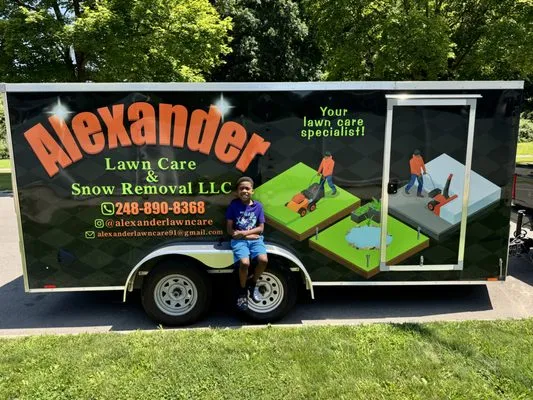
Alexander Lawn Care is a trusted Detroit lawn and snow service dedicated to solving the city's common landscaping headaches. We understand that local homeowners often face issues like irrigation timer...
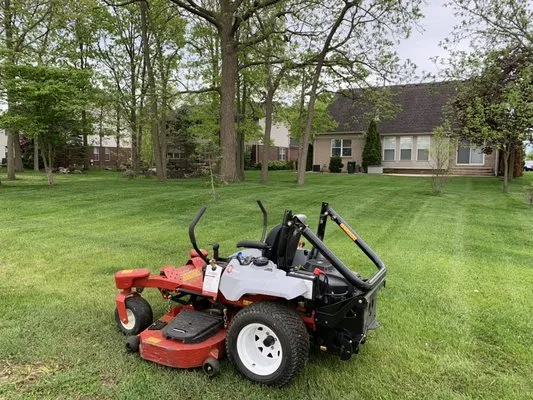
EZ Landscaping & Paving
At EZ Landscaping & Paving, we believe your outdoor space should be both beautiful and functional. Our team combines a deep understanding of botany and soil science with a genuine passion for design, ...
Greg Davis Landscape Service is a family-owned Livonia landscaping company with over 30 years of experience transforming local outdoor spaces. Founded by Greg Davis in 1993, the business blends his ba...
Estimated Landscaping Service Costs in Garden City, MI
Common Questions
Are concrete pavers or wood decking better for longevity and safety in Garden City's urban setting?
Concrete pavers and crushed limestone offer superior longevity (30+ years versus wood's 10-15 years) with minimal maintenance in Michigan's freeze-thaw cycles. These non-combustible materials align with Garden City's low Fire Wise rating by creating defensible space without fuel sources, unlike wood decks that require regular sealing and pose fire risks. Permeable paver installations also address drainage concerns in clay soils while providing stable, slip-resistant surfaces that withstand heavy use and seasonal weather extremes.
What permits and licensing are required for grading and drainage work on my 0.15-acre Garden City property?
Grading projects altering more than 100 square feet of land require a permit from the Garden City Building Department to ensure compliance with erosion control and stormwater management standards. Contractors must hold appropriate licensing through the Michigan Department of Licensing and Regulatory Affairs (LARA), particularly for excavation work near property lines or utilities. On 0.15-acre lots, even minor elevation changes can affect drainage patterns, making professional oversight essential to avoid neighbor disputes and regulatory violations.
How can I maintain my Kentucky Bluegrass and Perennial Ryegrass blend without violating water conservation guidelines?
Wi-Fi ET-based weather sensing irrigation systems automatically adjust watering schedules using real-time evapotranspiration data from local weather stations. This technology reduces water use by 20-30% compared to traditional timers while preserving turf health during dry periods. Although Garden City has no mandatory water restrictions, voluntary conservation through smart irrigation helps maintain municipal water reserves and supports the long-term viability of your grass blend without compromising its appearance or resilience.
Why does my Garden City Central Neighborhood lawn have such dense, compacted soil that resists water absorption?
Your property's soil maturity is 70 years (2026 minus the 1956 average build year), which has allowed silty clay loam to become heavily compacted through decades of foot traffic and equipment use. This soil type naturally has low permeability, and in Central Neighborhood, the lack of regular organic amendments has reduced pore space to critical levels. Core aeration every 1-2 years is essential to break up compaction and incorporate compost, improving water infiltration and root development for healthier turf.
How quickly can you respond to an emergency tree cleanup after a storm in Garden City?
Our electric maintenance fleet can dispatch from Garden City Park within 20-30 minutes during peak storm conditions, traveling via I-96 to minimize response time. This rapid deployment aligns with HOA compliance needs while operating within Garden City's 7 AM to 9 PM noise ordinance for equipment use. We prioritize safety assessments and debris removal to restore property access and prevent further damage from compromised trees or structures.
What solutions exist for poor drainage and high runoff in my Garden City yard with clay-heavy soil?
Silty clay loam soils in Garden City have naturally low permeability, leading to standing water and erosion during heavy rains. Installing permeable concrete pavers or crushed limestone hardscapes creates infiltration zones that reduce runoff by 40-60%. These materials meet Garden City Building Department standards for stormwater management while providing stable surfaces. For severe cases, French drains or dry creek beds with native plants can redirect water flow and improve soil structure over time.
What are the benefits of replacing traditional turf with native plants in my Garden City landscape?
Transitioning from high-maintenance turf to Purple Coneflower, Butterfly Milkweed, Wild Bergamot, and Little Bluestem reduces water needs by 75% and eliminates weekly mowing from May to October. These Michigan natives support local pollinators and require no chemical inputs, aligning with upcoming noise ordinance restrictions on gas-powered blowers. This xeriscaping approach creates a resilient, low-maintenance ecosystem that thrives in USDA Zone 6a conditions while reducing your carbon footprint and long-term maintenance costs.
How should I handle invasive species like garlic mustard or Japanese knotweed without violating fertilizer regulations?
Invasive species in Garden City require targeted mechanical removal or approved herbicides applied during active growth periods, avoiding Michigan's Natural Resources and Environmental Protection Act (Part 85) blackout dates for fertilizer application. Manual extraction before seed set is most effective for small infestations, while larger areas may need professional treatment with selective herbicides that don't harm native plants. Always dispose of invasive plant material off-site to prevent re-establishment and monitor treated areas for regrowth over subsequent seasons.
