Top Landscaping Services in Fruitland, MI, 49437 | Compare & Call
There are 146 landscaping companies server in Fruitland MI
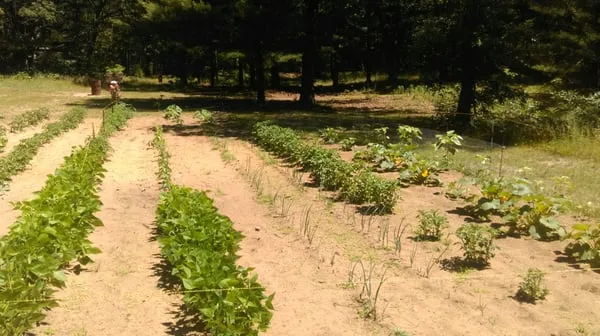
Hekkema Family Farm in Holton, MI, is your trusted local resource for landscaping and farm needs, offering practical solutions tailored to the challenges of West Michigan living. Many Holton area home...
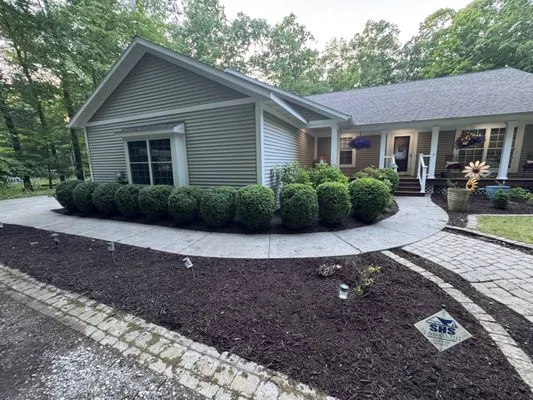
Second Generation Landscape is a family-owned landscape design and lawn care business serving Grand Haven, Holland, and Muskegon. With deep roots in West Michigan, we specialize in transforming outdoo...
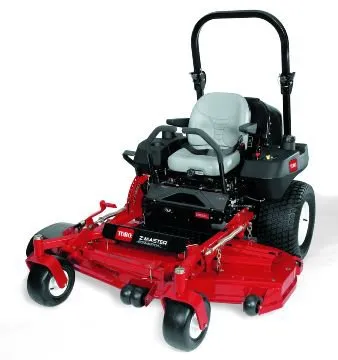
Coon's Quality Care Lawn Service is a Grand Haven-based landscaping company specializing in comprehensive outdoor solutions for local homeowners. With expertise in landscaping, snow removal, and irrig...

Green Level Property Care is a locally owned and operated lawn care service in Spring Lake, MI, founded in 2018. We specialize in comprehensive lawn maintenance, including mowing, irrigation system co...
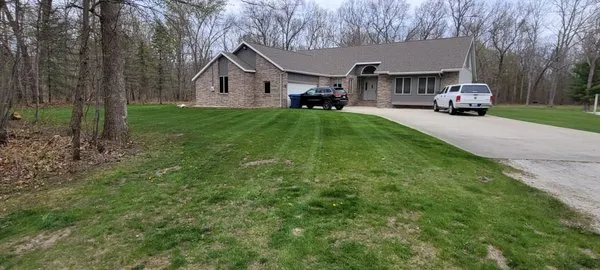
Straight Edge is a trusted lawn care provider serving Muskegon, MI, specializing in comprehensive lawn maintenance and health solutions. We understand the unique challenges Muskegon homeowners face, p...

The Beach Grass Planting Service is a Forest Hills, MI-based landscaping company specializing in dune restoration and erosion control along the Lake Michigan shoreline. For over 7 years, we've focused...
Another Leaf Lawn Care is a dedicated local provider of professional lawn services for Muskegon, MI. We specialize in comprehensive lawn care designed to tackle the common local problem of persistent ...
W Cross Lawn Care is a dedicated lawn service provider in Muskegon, MI, focused on solving the common local landscaping challenges homeowners face. We specialize in addressing issues like poor lawn gr...
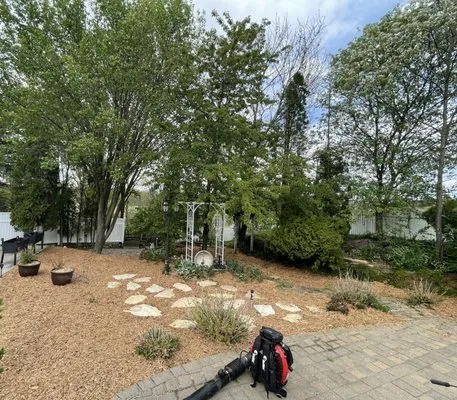
WR Property Management in Nunica, MI, is your local partner for maintaining a beautiful and functional property. We understand that many homes in our area face landscaping challenges like persistent w...
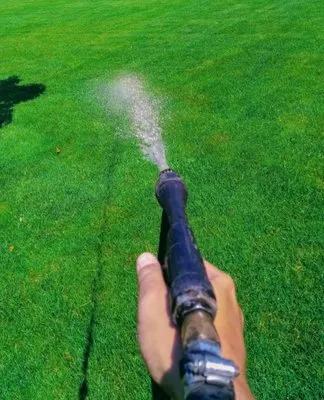
Good Sweet Earth is a 100% organic, non-profit lawn care service based in Zeeland, MI, serving West Michigan. We're dedicated to building healthier soil and more resilient lawns using only natural met...
Estimated Landscaping Service Costs in Fruitland, MI
Common Questions
What are low-maintenance alternatives to traditional lawn grass?
Transitioning to native plant communities reduces maintenance frequency while supporting local ecology. Butterfly Milkweed, Wild Bergamot, and Little Bluestem establish deep root systems that access subsurface moisture, eliminating the need for frequent irrigation. Serviceberry and Northern Red Oak provide structure with minimal inputs once established. This approach reduces mowing frequency from weekly to seasonal, staying ahead of potential gas-powered equipment restrictions under evolving noise ordinances while supporting 2026 biodiversity standards.
What permits and licenses are needed for landscape grading work?
Grading projects on 0.50-acre lots in Fruitland Township require both professional licensing and municipal permits. Contractors must hold appropriate Michigan LARA licensing for earth moving and drainage work. The Fruitland Township Planning & Zoning office issues grading permits after reviewing erosion control plans and drainage calculations. Professional licensing ensures compliance with Michigan's Natural Resources and Environmental Protection Act regarding soil disturbance near waterways, particularly important in Duck Lake areas with sandy soils prone to sedimentation.
How quickly can you respond to storm damage or HOA violation notices?
Emergency cleanup crews dispatch from Duck Lake State Park, taking US-31 directly to Duck Lake neighborhoods. This routing maintains a 25-30 minute peak response time even during high-traffic periods. For HOA compliance issues requiring immediate attention, we prioritize same-day assessments with documentation provided to property managers. Our scheduling system accounts for Fruitland Township's commercial noise ordinance windows to avoid violations during restricted hours.
How do I control invasive plants without harming my landscape?
Japanese knotweed and garlic mustard present the highest invasive risks in Fruitland's USDA Zone 6a. Mechanical removal during early growth stages prevents seed set without chemical intervention. For persistent infestations, targeted spot treatments using phosphorus-free herbicides comply with Michigan's fertilizer ordinance while minimizing environmental impact. Timing applications outside of blackout dates and avoiding broadcast spraying protects beneficial soil organisms and prevents contamination of Duck Lake watersheds through sandy soil leaching.
Should I install irrigation with Fruitland's voluntary water conservation policy?
Smart Wi-Fi soil-moisture sensing irrigation systems actually support conservation goals while maintaining turf health. These systems monitor actual soil conditions rather than operating on fixed schedules, preventing overwatering that leads to nutrient leaching in sandy loam soils. For Kentucky Bluegrass and Fine Fescue mixes, ET-based programming adjusts watering to actual evapotranspiration rates, typically reducing water use 20-30% compared to traditional timers. This approach preserves municipal water resources while meeting turf requirements.
Why does my Fruitland lawn struggle despite regular watering and fertilizing?
Properties in the Duck Lake neighborhood, built around 1983, have 43-year-old soil systems. The sandy loam soil (pH 6.2-6.8) common here has likely become compacted over decades, reducing oxygen availability to roots. This compaction limits water infiltration and nutrient uptake, creating a cycle where more water and fertilizer are applied but less is utilized. Core aeration combined with organic amendments like composted leaf mold addresses both compaction and the nutrient leaching tendency of sandy soils.
Are concrete pavers better than wood for patios and walkways?
Concrete pavers and crushed limestone offer superior longevity and fire resistance compared to wood in Fruitland's climate. These materials withstand freeze-thaw cycles without warping or rotting, maintaining structural integrity for decades. For properties in Moderate WUI Zone 2 fire risk areas, non-combustible hardscapes create defensible space while requiring minimal maintenance. The thermal mass of concrete also moderates microclimate temperatures, reducing heat island effects compared to asphalt or dark wood surfaces.
Why does water pool in some areas but drain too quickly in others?
Sandy loam soils in Fruitland exhibit high permeability, causing rapid water movement that can lead to nutrient leaching while still creating surface pooling in compacted zones. This dual behavior requires graded swales to direct surface water and amended soil zones to moderate infiltration rates. For hardscape areas, permeable concrete pavers or crushed limestone installations meet Fruitland Township Planning & Zoning runoff standards by allowing water to percolate naturally rather than contributing to stormwater surges.
