Top Landscaping Services in Freeland, MI, 48603 | Compare & Call
There are 107 landscaping companies server in Freeland MI
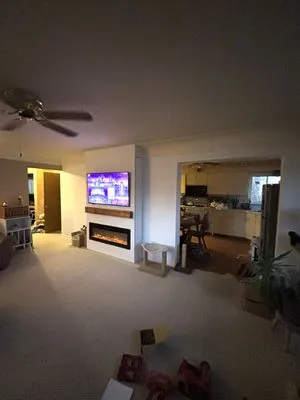
DR Remodeling is a locally owned and operated home improvement service based in Saginaw, MI. Founded in 2017, the business was started after the owner spent years working with other remodeling compani...
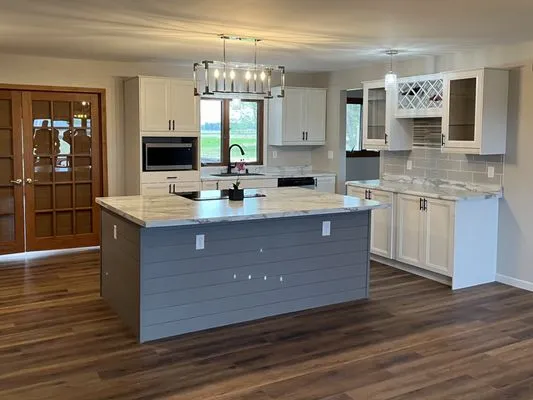
Tri-City Home Enhancement is a Freeland-based service provider specializing in comprehensive property care. We help homeowners and sellers prepare their properties through cleaning, junk removal, and ...

The Tending Co. is your Saginaw neighbor for reliable lawn and garden care, plus thoughtful pet and farm sitting services. We specialize in practical solutions for local yards, from weeding landscape ...
RB Mowing is a trusted, locally-owned lawn care provider serving the Reese, MI community. We specialize in the comprehensive lawn maintenance that Reese homes need to combat common local landscaping c...
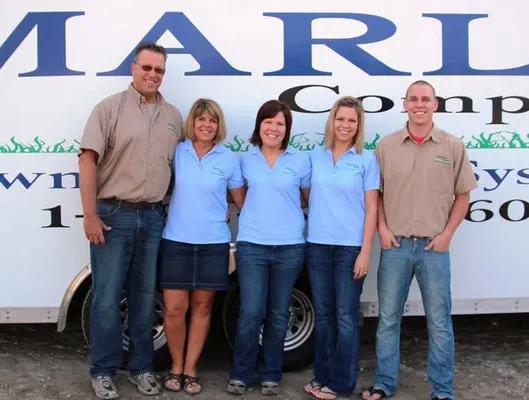
Marlo Company Lawn Sprinkler Systems is a family-owned lawn irrigation business serving Saginaw, MI, and the surrounding Great Lakes Bay Region for over 30 years. Specializing in irrigation and landsc...

Absolute Landscaping is a full-service construction and installation company serving Freeland and the surrounding Tri-Cities area. We specialize in solving common local yard problems like standing wat...
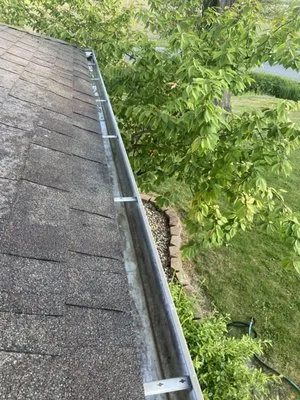
Smitcey Lawn Care & Maintenance is a family-owned lawn service deeply rooted in the Bay City, MI community. For years, our work has been driven by a genuine passion for nature and transforming outdoor...
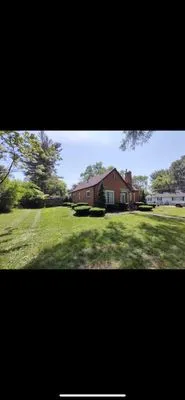
A&E Lawn Care and Snow Plowing is a trusted, full-service outdoor maintenance company serving Saginaw, MI. We specialize in comprehensive lawn care, expert fence and gate services, and reliable snow r...
Aeder's Lawncare is a trusted Saginaw, MI, landscaping and property maintenance company dedicated to solving common local lawn and garden challenges. Many Saginaw homeowners face issues like poor lawn...
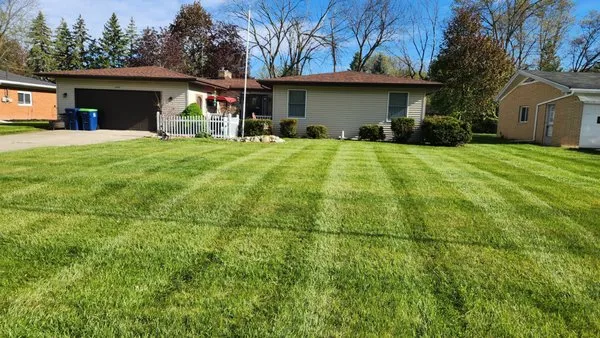
Sonny's Property Pros
Sonny's Property Pros is a Saginaw-based lawn and property care company with over 15 years of experience serving both residential and commercial clients. We specialize in comprehensive landscape desig...
Estimated Landscaping Service Costs in Freeland, MI
Q&A
What's the most efficient way to water my lawn with Freeland's voluntary conservation?
While Freeland has no mandatory water restrictions, efficient use is critical for system longevity and cost control. We install and calibrate smart Wi-Fi soil moisture sensor controllers that irrigate based on actual evapotranspiration (ET) and real-time soil conditions, not a fixed schedule. This technology prevents overwatering, which is particularly detrimental to Kentucky Bluegrass and Fine Fescue blends in sandy soils, as it promotes shallow roots and disease. Properly managed, these systems maintain turf health while keeping water usage well within recommended municipal limits.
How quickly can you respond to an emergency like a storm-damaged tree?
For urgent situations requiring immediate site assessment and safety mitigation, our dispatch from the Tittabawassee Township Park area allows for rapid access to the Freeland Village neighborhood via M-47. Under typical conditions, this routing enables a 20-30 minute arrival for a peak storm response crew. Initial triage focuses on securing hazards and clearing critical access, followed by a detailed work plan for debris removal and restoration, all coordinated to meet any immediate HOA or insurance documentation requirements.
Why does my Freeland yard struggle to hold water and nutrients?
Properties in the Freeland Village area, developed around 1993, sit on approximately 33-year-old constructed soils. These lots are typically a loamy sand or sandy loam base, a common fill material from that era, which naturally has low organic matter and poor water retention. The soil structure has become compacted over decades, limiting permeability and root penetration. To rebuild soil health, a core aeration program combined with top-dressing compost is essential to increase organic content and improve the cation exchange capacity for better nutrient holding.
Are concrete pavers a better long-term choice than wood for a patio?
For longevity and reduced maintenance, concrete pavers outperform wood in Michigan's freeze-thaw climate. A properly installed paver patio with a polymeric sand joint and gravel base will remain stable for decades without rotting, warping, or requiring chemical treatments. From a Fire Wise perspective, which is rated low for residential zoning in Freeland, non-combustible hardscape materials like pavers or crushed limestone provide critical defensible space, creating a firebreak that slows the spread of ground fire near structures.
What permits and licenses are needed for regrading my half-acre lot?
Regrading a 0.35-acre lot that affects drainage patterns or involves significant earth movement typically requires a permit from the Tittabawassee Township Building Department to ensure compliance with erosion control and stormwater ordinances. Furthermore, any contractor performing this work must hold appropriate licensing through the Michigan Department of Licensing and Regulatory Affairs (LARA). This ensures they carry the required insurance and have demonstrated competency in site engineering principles, protecting you from liability related to improper grading that could impact neighboring properties.
My yard has soggy spots every spring. What's the cause and solution?
Seasonal high water tables and poor infiltration in subsurface clay pockets are common drainage hazards in Freeland's loamy sand soils. Surface water cannot percolate quickly, leading to pooling. A functional solution often involves installing a French drain system tied to a dry well or daylighted outlet. For hardscape areas, using permeable concrete pavers or an open-graded crushed limestone base can significantly reduce runoff, often meeting the Tittabawassee Township Building Department's standards for stormwater management by allowing infiltration on-site.
Is there a lower-maintenance alternative to my high-input lawn?
Transitioning high-maintenance turf to a climate-adaptive landscape is a forward-looking strategy. A native plant bed featuring Butterfly Milkweed, Wild Bergamot, Little Bluestem, and Black-eyed Susan establishes deep root systems that require no fertilization, minimal watering once established, and no weekly mowing. This conversion also reduces dependency on gas-powered blowers and mowers, aligning with trends in noise ordinance enforcement and the shift toward electric maintenance fleets. The resulting habitat supports local biodiversity and pollinator populations.
What should I do about invasive weeds without harming my garden?
Invasive species like creeping Charlie or garlic mustard are prevalent in Michigan and compete aggressively with desired plants. Treatment must be precise and timed correctly. We employ targeted mechanical removal and spot-applications of appropriate herbicides, strictly adhering to the Michigan Phosphorus Fertilizer Law, which restricts phosphorus use unless a soil test confirms deficiency. All applications avoid forecasted rain to prevent runoff and are scheduled outside of any local blackout dates for fertilizer or pesticide use near waterways.
