Top Landscaping Services in Franklin, MI, 48025 | Compare & Call

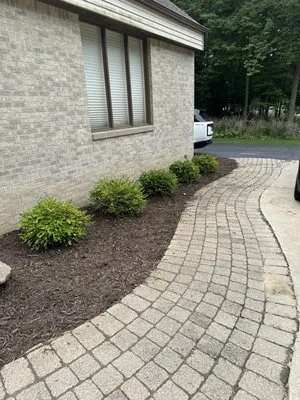
Ab Landscaping is a trusted local landscaping company serving Franklin, MI, dedicated to addressing the common landscaping challenges homeowners face in the area. Many Franklin homes struggle with iss...
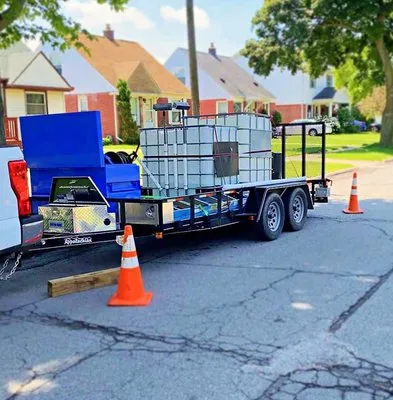
GMG Landscaping & Sealcoat Solutions is a Franklin, MI-based company specializing in comprehensive landscaping and pressure washing services. We help local homeowners and businesses maintain healthy, ...
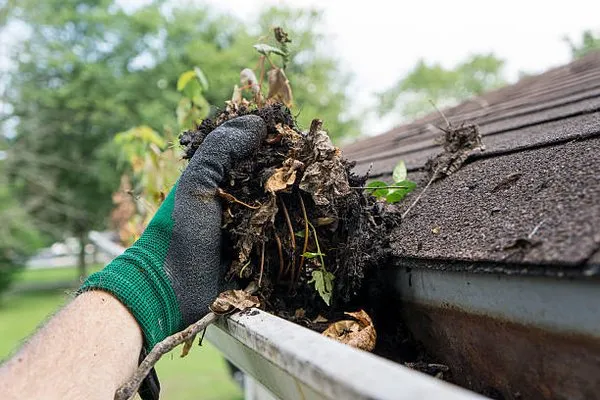
No Mow Problems is a Franklin, MI-based lawn care and property maintenance service dedicated to helping local homeowners maintain their outdoor spaces efficiently. We specialize in comprehensive lawn ...

Greenscapes is a trusted local landscaping company serving Franklin, MI, and the surrounding communities. We specialize in diagnosing and resolving the specific lawn challenges that homeowners in our ...
Question Answers
Why does my Franklin Village Historic District lawn have such compacted soil that needs annual aeration?
Franklin's 1959-built homes sit on 67-year-old landscapes where decades of foot traffic and conventional maintenance have compressed the slightly acidic loam. This soil type naturally develops hardpan layers over time, reducing permeability to 0.5 inches per hour in mature lots. Core aeration every 2-3 years introduces oxygen channels while incorporating composted organic matter improves soil structure and supports mycorrhizae networks essential for nutrient cycling in Zone 6b conditions.
What's the best solution for seasonal ponding in my Franklin yard's clay-heavy depressions?
Permeable concrete pavers installed with proper base layers achieve 5-8 inches per hour infiltration rates, effectively managing moderate ponding common in Franklin's clay-influenced loam. This approach meets Village of Franklin Building Department runoff standards while complementing existing natural fieldstone features. Strategic grading redirects surface flow to these permeable zones, with French drain systems providing subsurface relief where topography limits surface solutions.
What licensing requirements apply to regrading my 0.75-acre Franklin property?
Significant grading work on 0.75-acre lots requires Michigan LARA-licensed landscape architects or contractors, as altering drainage patterns affects neighboring properties in the Franklin Village Historic District. The Village of Franklin Building Department mandates permits for any excavation exceeding 12 inches depth or affecting more than 500 square feet. Professionals must demonstrate NPDES compliance for erosion control and submit engineered drainage plans when modifying slopes exceeding 3:1 ratios in clay-influenced areas.
How do I safely treat invasive species in Franklin without violating fertilizer regulations?
Targeted manual removal of invasive species like garlic mustard or Japanese knotweed during their early growth stages avoids chemical treatments that might conflict with Michigan Fertilizer Application Act restrictions. For persistent issues, we apply EPA-approved organic herbicides during permitted windows, carefully avoiding NPDES blackout dates. Soil testing determines precise amendment needs, ensuring any required nutrients address specific deficiencies without exceeding phosphorus limits in Franklin's slightly acidic loam.
How do I maintain my Kentucky Bluegrass and Fine Fescue blend during Franklin's Stage 1 water restrictions?
Smart Wi-Fi ET-based weather sensing controllers automatically adjust irrigation schedules using real-time evapotranspiration data, typically reducing water use by 30-40% compared to traditional timers. These systems preserve turf health by delivering 1-1.5 inches weekly during peak growing seasons while staying well within voluntary conservation limits. Proper calibration accounts for Franklin's slightly acidic loam retention characteristics and Zone 6b precipitation patterns, preventing both underwatering and runoff violations.
How quickly can you respond to an emergency tree cleanup after a storm in Franklin?
Our electric maintenance fleet can dispatch from the Franklin Cider Mill area within 25 minutes during peak conditions, using M-10 (Lodge Freeway) for efficient access throughout the Village. This rapid response meets most HOA compliance deadlines for storm debris removal while operating within Franklin's 8:00 AM to 8:00 PM noise ordinance for equipment. We prioritize routes based on drainage hazard zones where moderate seasonal ponding typically requires immediate attention.
Should I replace some lawn areas with native plants to reduce maintenance in Franklin?
Transitioning 20-30% of high-maintenance turf to Purple Coneflower, Wild Bergamot, Butterfly Weed, Little Bluestem, and Serviceberry plantings reduces mowing frequency by 40% while supporting Franklin's 2026 biodiversity targets. These Michigan natives require minimal irrigation once established and provide continuous bloom from May through October. This approach future-proofs landscapes against evolving noise ordinances restricting gas-powered equipment and creates self-sustaining ecosystems that thrive in Zone 6b conditions.
Why choose natural fieldstone over wood for Franklin patio installations?
Natural fieldstone offers 50+ year durability compared to wood's 10-15 year lifespan in Michigan's freeze-thaw cycles, with zero maintenance beyond occasional joint sand replenishment. Its non-combustible properties maintain Franklin's Low Fire Wise rating by creating defensible space without adding fuel loads near structures. The material's thermal mass moderates temperature extremes while its permeability (3-5 inches per hour) exceeds most municipal runoff requirements for 0.75-acre lots.
