Top Landscaping Services in Frankfort, MI, 49635 | Compare & Call

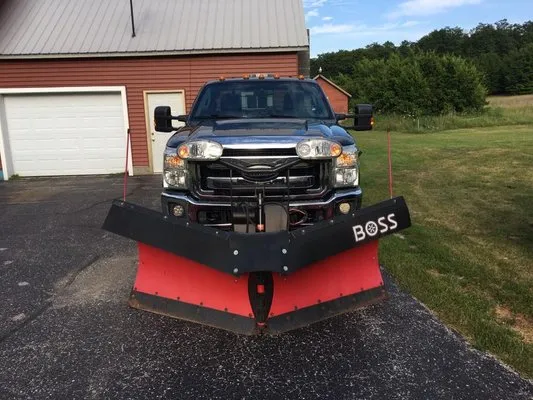
Hospenthal Outdoor Service is a trusted, full-service landscaping and construction contractor serving Frankfort, MI, and the surrounding Benzie County area. We specialize in transforming outdoor space...
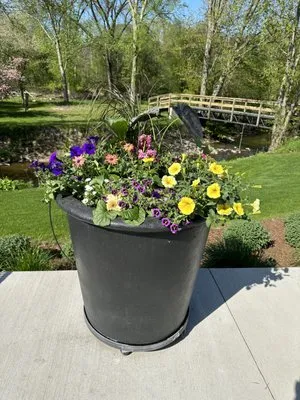
Mario's Landscape Maintenance is Frankfort's trusted partner for lush, healthy lawns and effective pest control. We understand the local challenge of bare and dead lawn patches, which can stem from so...

Walkley's Landscaping is a dedicated local provider helping Frankfort, MI, homeowners tackle common yard challenges. Many area properties struggle with standing water and persistent mulch bed weeds, w...
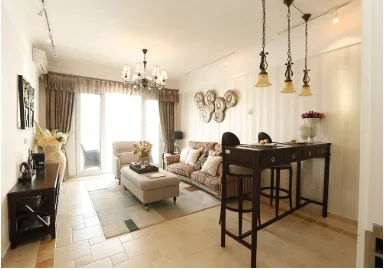
Crystal Resort Services is a locally-owned and operated landscaping, irrigation, and snow removal company serving Frankfort, MI, and the surrounding Crystal Lake area. We specialize in comprehensive o...
Lakeside Lawn Maintenance is a Frankfort-based lawn care provider dedicated to enhancing the health and beauty of local landscapes. We specialize in addressing common regional challenges like standing...
Q&A
My Frankfort yard drains too quickly - how do I manage runoff properly?
High permeability in sandy loam soils causes rapid infiltration that can bypass plant root zones. Permeable concrete pavers and local fieldstone installations create controlled drainage paths that meet City of Frankfort Planning & Zoning Department runoff standards. These materials allow 80-90% of stormwater to infiltrate naturally while directing excess flow away from foundations. Strategic placement creates temporary retention areas that slow water movement during heavy precipitation events.
Are fieldstone patios better than wood decks for Frankfort's fire risk areas?
Local fieldstone provides non-combustible surfacing that meets WUI Zone 2 defensible space requirements for moderate fire risk zones. Unlike wood decks that require chemical treatments and eventual replacement, stone installations maintain integrity for 30+ years with minimal maintenance. Permeable concrete pavers offer similar fire resistance while allowing better root zone aeration for adjacent plantings. Both materials reduce flammable material accumulation compared to organic decking options.
How do I control invasive species without violating Michigan's fertilizer rules?
Phragmites and garlic mustard present the highest invasion risks in Frankfort's coastal areas. Mechanical removal during dry periods prevents regrowth without triggering phosphorus ban violations on turf fertilizer applications. Targeted herbicide spot treatments using glyphosate alternatives avoid soil contamination in sandy loam profiles. Timing interventions before seed set in late summer maximizes effectiveness while complying with statewide blackout dates for nutrient applications.
Why does my Frankfort lawn have patchy grass and poor drainage after 50 years?
Frankfort Residential District properties built around 1976 have 50-year-old soil profiles that have become compacted over time. Sandy loam soils in this area naturally lose organic matter through decomposition and leaching. Core aeration every 2-3 years introduces oxygen and creates channels for water infiltration, while adding compost or aged manure rebuilds soil structure. This addresses the pH 6.2-6.8 range that favors turfgrass but requires consistent organic amendments to maintain fertility.
What low-maintenance alternatives work for Frankfort's climate and noise rules?
Transitioning turf areas to native plantings like Common Milkweed, Little Bluestem, and Wild Bergamot reduces maintenance frequency by 60-70%. These species require no gas-powered blowers for leaf management, aligning with 7 AM to 9 PM noise ordinance considerations. Established native plantings survive on natural precipitation in USDA Zone 5b, eliminating irrigation needs after the first growing season. This approach creates habitat corridors while minimizing carbon emissions from maintenance equipment.
Should I install smart irrigation with Frankfort's voluntary water conservation?
Wi-Fi ET-based controllers calculate evapotranspiration rates using local weather data to apply precise water volumes. This technology maintains Kentucky Bluegrass and Fine Fescue turf with 20-30% less water than traditional timer systems. Even without mandatory restrictions, these controllers prevent overwatering that leaches nutrients from sandy loam soils. Municipal water systems benefit from reduced peak demand during summer months when residential usage typically spikes.
What permits and licenses are needed for grading my quarter-acre Frankfort lot?
Grading projects exceeding 100 cubic yards of soil movement require City of Frankfort Planning & Zoning Department review for erosion control compliance. Michigan LARA licensing mandates certified professionals for engineered retaining walls over 4 feet or projects affecting drainage patterns. On 0.25-acre parcels, even modest grading can impact neighboring properties through altered water flow, triggering permit requirements. Licensed contractors carry insurance covering subsurface utility damage during excavation in older residential districts.
How quickly can you respond to storm damage for HOA compliance in Frankfort?
Emergency cleanup crews dispatch from the Betsie Bay area using M-22 for primary access to residential zones. During peak conditions, arrival typically occurs within 20-30 minutes for fallen limb removal and debris management. The route prioritizes arterial roads to bypass localized flooding common in spring thaw periods. This response window accommodates standard noise ordinance hours while addressing immediate safety hazards from storm events.
